
Blog

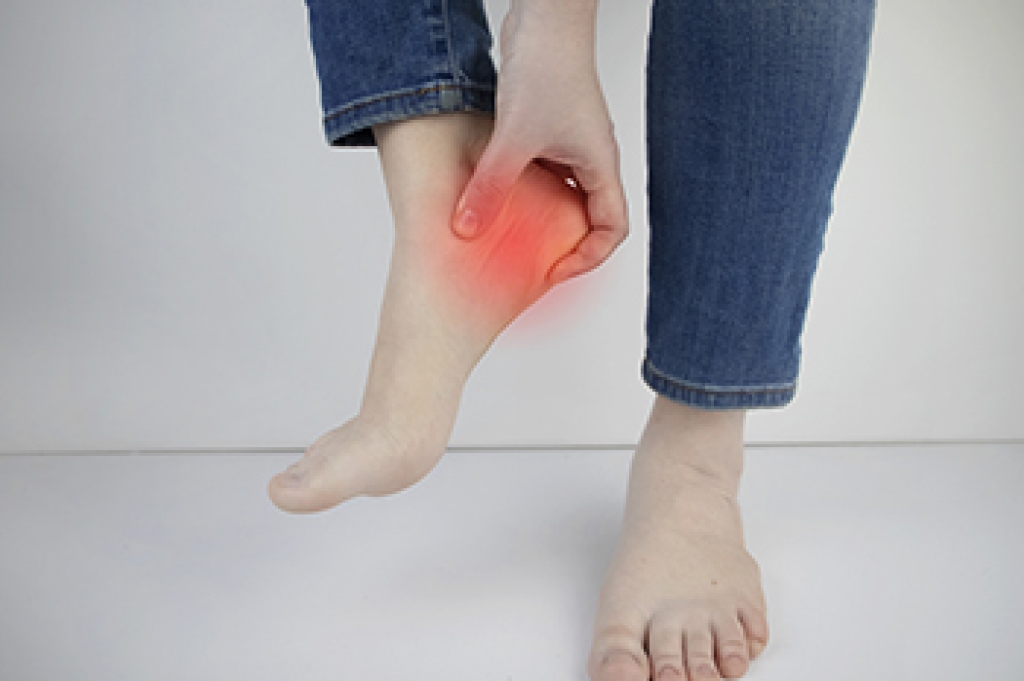
First Morning Step Can Signal Plantar Fasciitis

Heel pain, especially first thing in the morning, can often be a sign of plantar fasciitis. This condition occurs when the plantar fascia, a wide band of tissue that runs from your heel to your toes, becomes inflamed or develops small tears. The pain can be sharp, particularly with the first steps after getting out of bed, but it often recedes as you move throughout the day. Plantar fasciitis is more common among people who are overweight, older adults, and athletes, especially those who run on hard surfaces. A podiatrist can help by diagnosing plantar fasciitis through an exam. This foot doctor may recommend treatment that includes certain stretches, choosing more supportive footwear, or taking prescription-strength anti-inflammatory medication. These treatment methods aim to reduce inflammation and support the tissue's healing process. If you have heel pain first thing in the morning, it is suggested that you visit a podiatrist for an exam to find out if you have plantar fasciitis.

Plantar fasciitis is a common foot condition that is often caused by a strain injury. If you are experiencing heel pain or symptoms of plantar fasciitis, contact Genine Befumo, DPM from University Foot and Ankle Center, L.L.C. Our doctor can provide the care you need to keep you pain-free and on your feet.

What Is Plantar Fasciitis?

Plantar fasciitis is one of the most common causes of heel pain. The plantar fascia is a ligament that connects your heel to the front of your foot. When this ligament becomes inflamed, plantar fasciitis is the result. If you have plantar fasciitis you will have a stabbing pain that usually occurs with your first steps in the morning. As the day progresses and you walk around more, this pain will start to disappear, but it will return after long periods of standing or sitting.

What Causes Plantar Fasciitis?

  • Excessive running
  • Having high arches in your feet
  • Other foot issues such as flat feet
  • Pregnancy (due to the sudden weight gain)
  • Being on your feet very often

There are some risk factors that may make you more likely to develop plantar fasciitis compared to others. The condition most commonly affects adults between the ages of 40 and 60. It also tends to affect people who are obese because the extra pounds result in extra stress being placed on the plantar fascia.

Prevention

  • Take good care of your feet – Wear shoes that have good arch support and heel cushioning.
  • Maintain a healthy weight
  • If you are a runner, alternate running with other sports that won’t cause heel pain

There are a variety of treatment options available for plantar fasciitis along with the pain that accompanies it. Additionally, physical therapy is a very important component in the treatment process. It is important that you meet with your podiatrist to determine which treatment option is best for you.

If you have any questions, please feel free to contact our office located in Monroe Township, NJ . We offer the newest diagnostic and treatment technologies for all your foot care needs.
 

Read more about Plantar Fasciitis

A Simple Guide for Measuring Your Feet

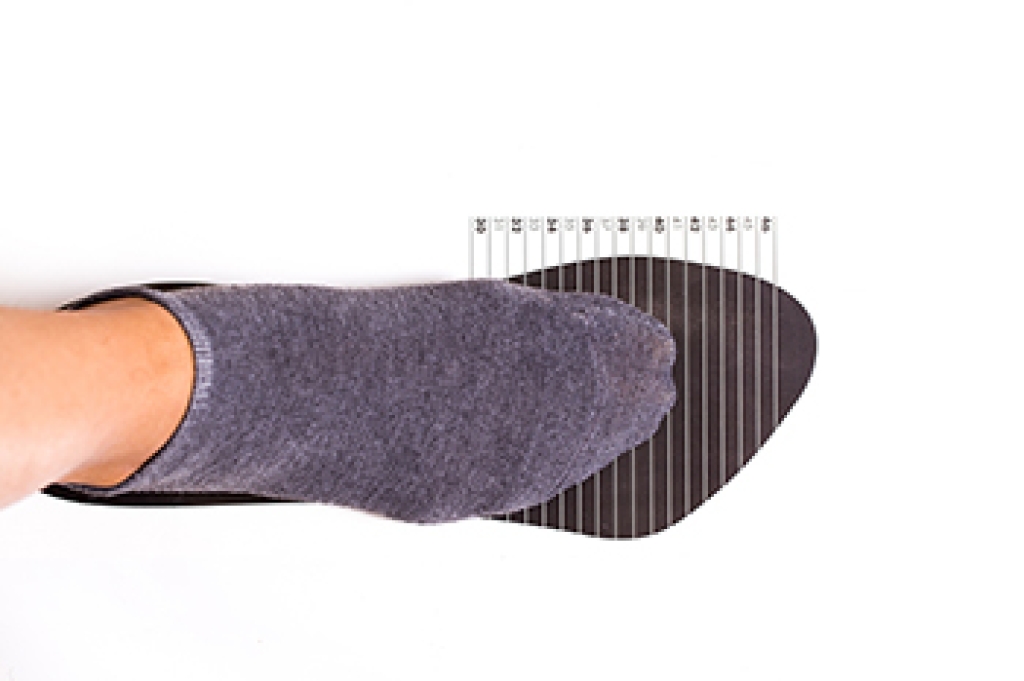
Determining your correct shoe size is essential for comfort and foot health. Begin by gathering a piece of paper, a pencil, and a ruler. Place the paper on a flat surface and stand on it with your heel against the wall. Trace the outline of your foot, ensuring the pencil remains vertical for accuracy. Once you have the outline, measure the length from the heel to the longest toe using the ruler. It is also helpful to measure the width of your foot at its widest point. Compare these measurements with a shoe size chart to find your ideal size. Remember to account for any variations between brands, as sizing can differ. Trying shoes on later in the day is recommended, as feet tend to swell, ensuring a more accurate fit and overall comfort. Wearing shoes that fit right may help to prevent painful foot conditions. If you have foot pain from wearing the wrong size shoes or need help determining your correct size, it is suggested that you consult a podiatrist.

Getting the right shoe size is an important part of proper foot health. Seek the assistance of Genine Befumo, DPM from University Foot and Ankle Center, L.L.C. Our doctor will provide the care you need to keep you pain-free and on your feet.

Getting the Right Shoe Size

There are many people who wear shoes that are the incorrect size, negatively affecting their feet and posture. Selecting the right shoes is not a difficult process, so long as you keep several things in mind when it comes to choosing the right pair.

  • When visiting the shoe store, use the tools available to measure your foot.
  • Be sure there is ‘wiggle room’. There should be about an inch between your toes and the tip of your shoes.
  • Do not always assume you are the same size, as manufacturers run differently.
  • Purchase shoes later in the day, as your feet swell as the day progresses.
  • If a shoe is not comfortable, it is not suitable. Most shoes can’t be ‘broken in’, and comfort should be the ultimate goal when it comes to choosing the right pair of shoes

As our feet hold our body weight and keep us moving, it is important to treat them right. Picking the right pair of shoes can provide your feet comfort and mobility without pain.

If you have any questions, please feel free to contact our office located in Monroe Township, NJ . We offer the newest diagnostic and treatment technologies for all your foot care needs.
Read more about Getting the Right Shoe Size

Safe Falling Strategies for Seniors and Prevention Tips

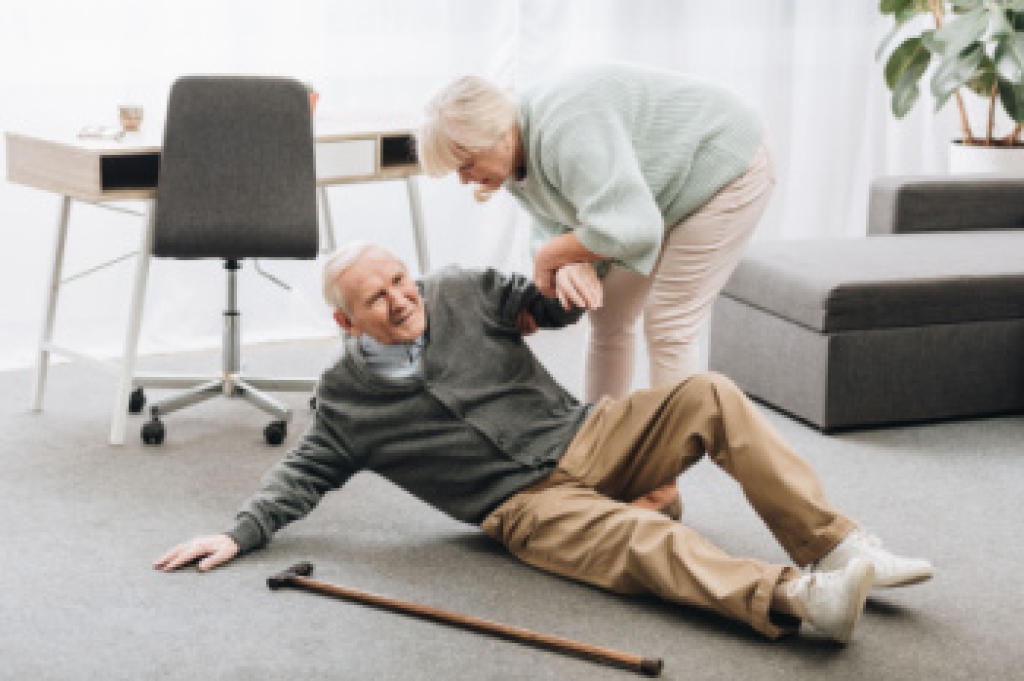
As people age, the risk of falling increases, making it essential to know how to fall safely. If a fall is unavoidable, try to relax your body, and aim to land on your side rather than your back or wrists to reduce injury risk. Tucking your chin toward your chest can help protect your head. Wearing appropriate shoes with good grip can prevent slips. Staying active with exercises that improve balance and strength enhances stability. Regular vision and health check-ups can also identify issues that increase fall risk. Creating a safe home environment by removing clutter, securing loose rugs, and installing grab bars in critical areas can further reduce chances of falls. Falling can injure the feet, as well as other body parts. If this has happened to you, it is suggested that you consult a podiatrist who can offer effective treatment methods and fall prevention tips.

Preventing falls among the elderly is very important. If you are older and have fallen or fear that you are prone to falling, consult with Genine Befumo, DPM from University Foot and Ankle Center, L.L.C. Our doctor will assess your condition and provide you with quality advice and care.

Every 11 seconds, an elderly American is being treated in an emergency room for a fall related injury. Falls are the leading cause of head and hip injuries for those 65 and older. Due to decreases in strength, balance, senses, and lack of awareness, elderly persons are very susceptible to falling. Thankfully, there are a number of things older persons can do to prevent falls.

How to Prevent Falls

Some effective methods that older persons can do to prevent falls include:

  • Enrolling in strength and balance exercise program to increase balance and strength
  • Periodically having your sight and hearing checked
  • Discuss any medications you have with a doctor to see if it increases the risk of falling
  • Clearing the house of falling hazards and installing devices like grab bars and railings
  • Utilizing a walker or cane
  • Wearing shoes that provide good support and cushioning
  • Talking to family members about falling and increasing awareness

Falling can be a traumatic and embarrassing experience for elderly persons; this can make them less willing to leave the house, and less willing to talk to someone about their fears of falling. Doing such things, however, will increase the likelihood of tripping or losing one’s balance. Knowing the causes of falling and how to prevent them is the best way to mitigate the risk of serious injury.  

If you have any questions, please feel free to contact our office located in Monroe Township, NJ . We offer the newest diagnostic and treatment technologies for all your foot care needs.
Read more about Falls Prevention

Heel Pain Can Be Treated!

Do you suffer from heel pain when you get up in the morning? If so, you should seek professional help and have a proper diagnosis performed. Heel pain can be caused by several different foot-related conditions.

Caring for Your Feet

Caring for your feet is important to your overall wellness for several reasons. First, healthy feet support movement and balance, allowing you to stay active. Poor foot health can lead to pain and reduced mobility, which can affect your daily activities. Additionally, feet play a key role in maintaining proper posture. Issues like flat feet or bunions can cause misalignment and strain on your joints and muscles. Good foot care also promotes better circulation, ensuring that blood flow is optimal, which is vital for your overall health. Regular attention to your feet can help prevent common problems like calluses, corns, and fungal infections, reducing discomfort and potential complications. Moreover, feet can serve as indicators of other health issues, such as diabetes or heart conditions, so monitoring their health can help detect problems early. If you have foot problems or wish to enhance your foot care regimen, it is suggested that you schedule an appointment with a podiatrist. 

Everyday foot care is very important to prevent infection and other foot ailments. If you need your feet checked, contact Genine Befumo, DPM from University Foot and Ankle Center, L.L.C. Our doctor can provide the care you need to keep you pain-free and on your feet.

Everyday Foot Care

Often, people take care of their bodies, face and hair more so than they do for their feet. But the feet are a very important aspect of our bodies, and one that we should pay more attention to. Without our feet, we would not be able to perform most daily tasks.

It is best to check your feet regularly to make sure there are no new bruises or cuts that you may not have noticed before. For dry feet, moisturizer can easily be a remedy and can be applied as often as necessary to the affected areas. Wearing shoes that fit well can also help you maintain good foot health, as well as making it easier to walk and do daily activities without the stress or pain of ill-fitting shoes, high heels, or even flip flops. Wearing clean socks with closed shoes is important to ensure that sweat and bacteria do not accumulate within the shoe. Clean socks help to prevent Athlete’s foot, fungi problems, bad odors, and can absorb sweat.

If you have any questions, please feel free to contact our office located in Monroe Township, NJ . We offer the newest diagnostic and treatment technologies for all your foot care needs.

Read more about Everyday Foot Care
Connect with us

our recent articles