Blog

Managing a Broken Toe

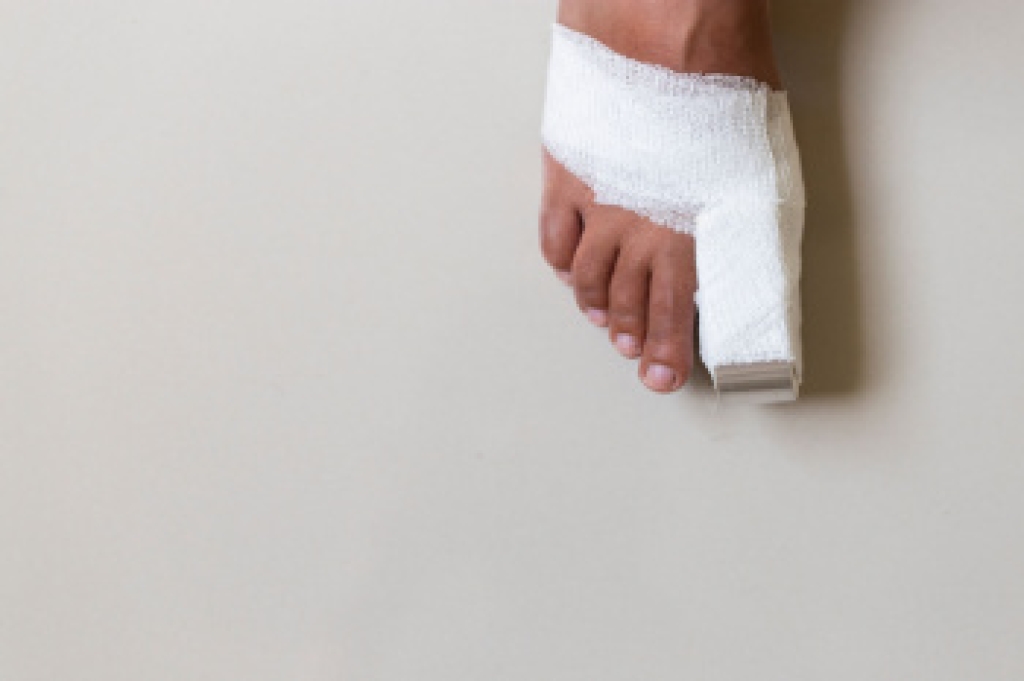
A broken toe often occurs from stubbing the toe, dropping something heavy on it, or during sports activities. It typically affects the small toe but can occur in any of the toes. Symptoms include pain, swelling, bruising, and difficulty walking. The toe may also appear crooked or misaligned, especially in more severe fractures. Treating a broken toe often involves buddy taping, where the injured toe is taped to the neighboring toe for support. In less severe cases, this method can stabilize the toe and allow it to heal. For more serious fractures, a podiatrist may recommend a splint, or, in rare cases, surgery to realign the bones. This type of doctor can assess the extent of the injury, provide pain management, and guide you through the recovery process. They will also monitor for complications, such as infection or improper healing. If you think you have broken a toe, it is suggested that you promptly schedule an appointment with a podiatrist for a proper diagnosis and appropriate treatment.

Broken toes may cause a lot of pain and should be treated as soon as possible. If you have any concerns about your feet, contact Genine Befumo, DPM from University Foot and Ankle Center, L.L.C. Our doctor will treat your foot and ankle needs.

What Is a Broken Toe?

A broken toe occurs when one or more of the toe bones of the foot are broken after an injury. Injuries such as stubbing your toe or dropping a heavy object on it may cause a toe fracture.

Symptoms of a Broken Toe

  • Swelling
  • Pain (with/without wearing shoes)
  • Stiffness
  • Nail Injury

Although the injured toe should be monitored daily, it is especially important to have a podiatrist look at your toe if you have severe symptoms. Some of these symptoms include worsening or new pain that is not relieved with medication, sores, redness, or open wounds near the toe.

If you have any questions please feel free to contact our office located in Monroe Township, NJ . We offer the newest diagnostic tools and technology to treat your foot and ankle needs.

Read more about What to Know About a Broken Toe

Types and Causes of Bunions

Bunions are bony protrusions that form at the base of the big toe, often causing discomfort or pain. There are various types of bunions, each varying in severity. The mild form typically causes slight swelling and can often be managed with proper footwear or orthotics. In moderate cases, the deformity becomes more noticeable, leading to increased discomfort and difficulty with movement. Severe bunions can cause significant pain, misalignment of the toes, and even difficulty walking, requiring more intensive treatments or surgery. The main causes of bunions include genetic factors, abnormal foot mechanics, and wearing ill-fitting shoes. Conditions like arthritis can also contribute to their development. A bunionette is a smaller, similar deformity that forms on the outside of the foot, near the little toe. While bunions can be painful, early intervention and proper care from a podiatrist can prevent further complications and help manage symptoms effectively. If you notice the beginning signs of a bunion, it is suggested that you consult this type of doctor who can offer effective prevention and relief tips.

If you are suffering from bunions, contact Genine Befumo, DPM of University Foot and Ankle Center, L.L.C. Our doctor can provide the care you need to keep you pain-free and on your feet.

What Is a Bunion?

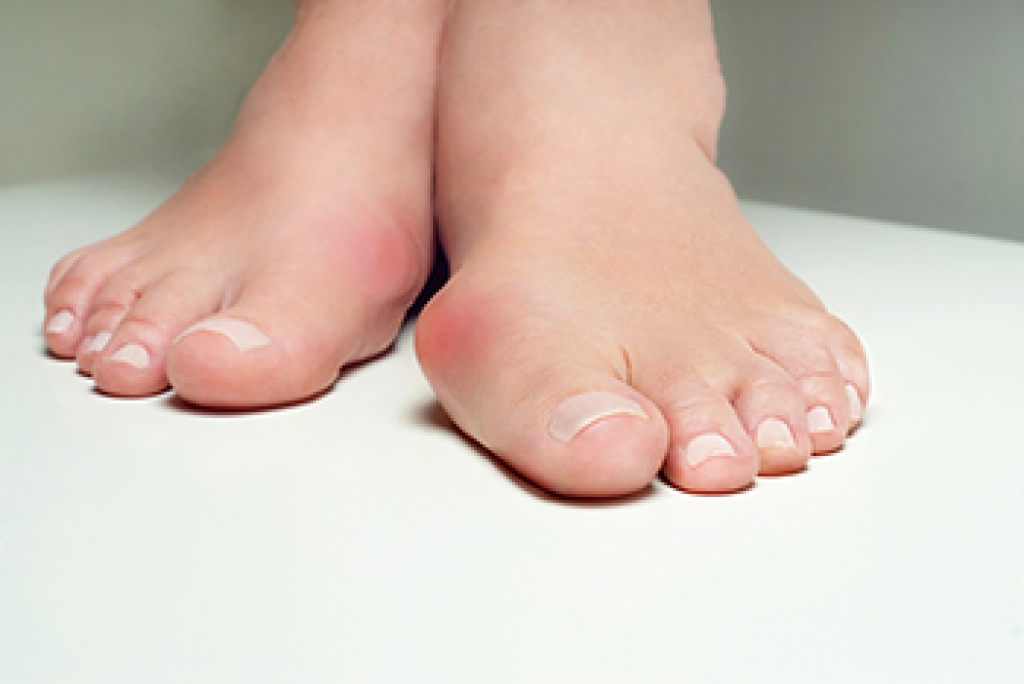
A bunion is formed of swollen tissue or an enlargement of boney growth, usually located at the base joint of the toe that connects to the foot. The swelling occurs due to the bones in the big toe shifting inward, which impacts the other toes of the foot. This causes the area around the base of the big toe to become inflamed and painful.

Why Do Bunions Form?

Genetics – Susceptibility to bunions are often hereditary

Stress on the feet – Poorly fitted and uncomfortable footwear that places stress on feet, such as heels, can worsen existing bunions

How Are Bunions Diagnosed?

Podiatrists often perform two tests – blood tests and x-rays – when trying to diagnose bunions, especially in the early stages of development. Blood tests help determine if the foot pain is being caused by something else, such as arthritis, while x-rays provide a clear picture of your bone structure to your provider.

How Are Bunions Treated?

  • Refrain from wearing heels or similar shoes that cause discomfort
  • Select wider shoes that can provide more comfort and reduce pain
  • Anti-inflammatory and pain management drugs
  • Orthotics or foot inserts
  • Surgery

If you have any questions, please feel free to contact our office located in Monroe Township, NJ . We offer the newest diagnostic and treatment technologies for all your foot care needs.

Read more about Bunions

Preventing Foot Conditions from Running

Running is an excellent form of exercise, but it can lead to various foot conditions if proper care is not taken. Common foot problems such as blisters, plantar fasciitis, and stress fractures can arise from wearing improper footwear, poor running techniques, or lack of foot care. One of the most effective ways to prevent these issues is by choosing the right pair of running shoes that offer proper arch support, cushioning, and a good fit. Regularly replacing worn-out shoes ensures continued support. It is also important to gradually increase running distances to avoid overuse injuries. Stretching before and after runs can help maintain flexibility and prevent muscle strain. Keeping feet dry and using moisture-wicking socks can reduce the risk of blisters and fungal infections. If you have developed foot conditions from running, it is suggested that you consult a podiatrist who can offer you effective relief and treatment methods.

All runners should take extra precaution when trying to avoid injury. If you have any concerns about your feet, contact Genine Befumo, DPM of University Foot and Ankle Center, L.L.C. Our doctor will treat your foot and ankle needs.

How to Prevent Running Injuries

There are a lot of mistakes a runner can make prior to a workout that can induce injury. A lot of athletes tend to overstretch before running, instead of saving those workouts for a post-run routine. Deep lunges and hand-to-toe hamstring pulls should be performed after a workout instead of during a warmup. Another common mistake is jumping into an intense routine before your body is physically prepared for it. You should try to ease your way into long-distance running instead of forcing yourself to rush into it.

More Tips for Preventing Injury

  • Incorporate Strength Training into Workouts - This will help improve the body’s overall athleticism
  • Improve and Maintain Your Flexibility – Stretching everyday will help improve overall performance
  • “Warm Up” Before Running and “Cool Down” Afterward – A warm up of 5-10 minutes helps get rid of lactic acid in the muscles and prevents delayed muscle soreness
  • Cross-Training is Crucial
  • Wear Proper Running Shoes
  • Have a Formal Gait Analysis – Poor biomechanics can easily cause injury

If you have any questions, please feel free to contact our office located in Monroe Township, NJ . We offer the newest diagnostic and treatment technologies for all your foot care needs.

Read more about How to Prevent Running Injuries

Plantar Fasciitis and the Best Shoes for Relief

Plantar fasciitis is a common cause of heel pain, often resulting from inflammation of the thick band of tissue that runs along the bottom of the foot. This condition is typically aggravated by excessive pressure or overuse, leading to discomfort, particularly in the heel area. Wearing the right type of shoes is essential for managing and relieving plantar fasciitis. Shoes with good arch support help distribute pressure evenly across the foot, reducing strain on the plantar fascia. Cushioned soles provide shock absorption, which is especially beneficial for those who spend long hours standing or walking. Avoiding flat shoes or high heels is also important, as they do not offer adequate support. Instead, look for shoes with a low, supportive heel and a wide toe box that allows the toes to move freely. If you have heel pain, it is suggested that you consult a podiatrist who can accurately diagnose and treat this condition, in addition to guiding you toward optimum shoes to buy for relief.

Plantar fasciitis is a common foot condition that is often caused by a strain injury. If you are experiencing heel pain or symptoms of plantar fasciitis, contact Genine Befumo, DPM from University Foot and Ankle Center, L.L.C. Our doctor can provide the care you need to keep you pain-free and on your feet.

What Is Plantar Fasciitis?

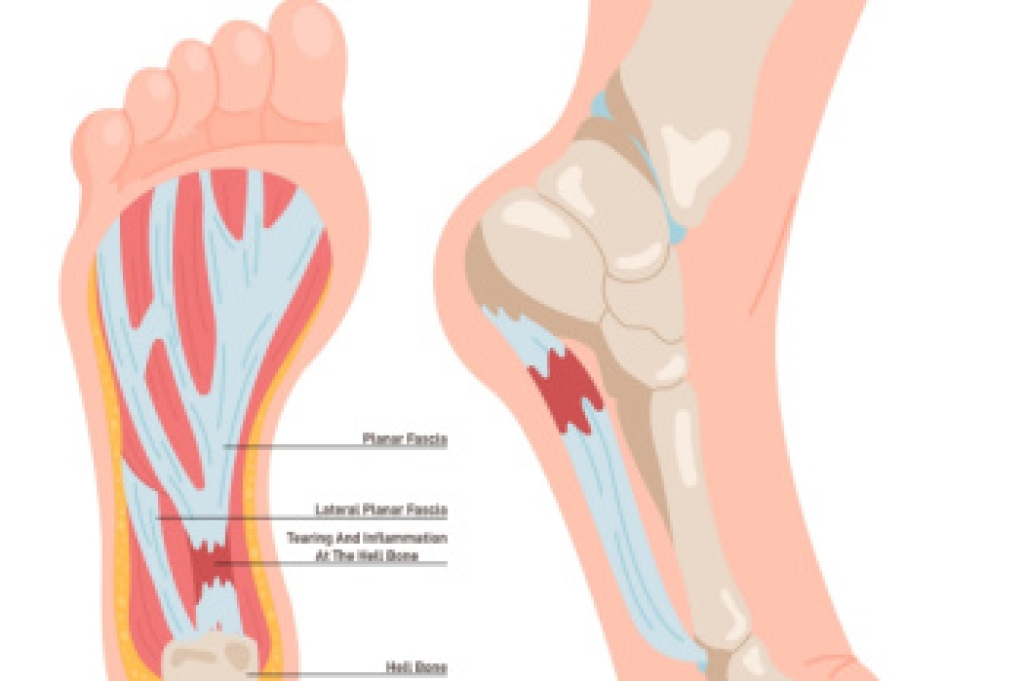
Plantar fasciitis is one of the most common causes of heel pain. The plantar fascia is a ligament that connects your heel to the front of your foot. When this ligament becomes inflamed, plantar fasciitis is the result. If you have plantar fasciitis you will have a stabbing pain that usually occurs with your first steps in the morning. As the day progresses and you walk around more, this pain will start to disappear, but it will return after long periods of standing or sitting.

What Causes Plantar Fasciitis?

  • Excessive running
  • Having high arches in your feet
  • Other foot issues such as flat feet
  • Pregnancy (due to the sudden weight gain)
  • Being on your feet very often

There are some risk factors that may make you more likely to develop plantar fasciitis compared to others. The condition most commonly affects adults between the ages of 40 and 60. It also tends to affect people who are obese because the extra pounds result in extra stress being placed on the plantar fascia.

Prevention

  • Take good care of your feet – Wear shoes that have good arch support and heel cushioning.
  • Maintain a healthy weight
  • If you are a runner, alternate running with other sports that won’t cause heel pain

There are a variety of treatment options available for plantar fasciitis along with the pain that accompanies it. Additionally, physical therapy is a very important component in the treatment process. It is important that you meet with your podiatrist to determine which treatment option is best for you.

If you have any questions, please feel free to contact our office located in Monroe Township, NJ . We offer the newest diagnostic and treatment technologies for all your foot care needs.


Read more about Plantar Fasciitis
Connect with us

our recent articles