
Blog

Corns and Calluses on the Feet of Athletes

Corns and calluses result from too much pressure on an area of the foot. Though they can occur in anyone, athletes are more prone to get them because the pressure on their feet is higher. Reasons for the development of corns and calluses can come from shoes if a deformity, such as bunion or hammertoe is present and rubs against the shoes. If the pressure is higher under the ball of the foot, it may be due to a prominent metatarsal head. Thickened skin of a corn or callus can be removed and provide relief from pain, but the only way to get rid of these symptoms permanently or prevent them from coming back is to remove what caused them in the first place. For example, if a corn develops from a hammertoe, fixing the hammertoe will get rid of the pressure and the corn will not come back. If you suffer from corns or calluses, see a podiatrist for help in figuring out what to do to remove the cause so these are no longer a problem for you.

Ankle and foot injuries are common among athletes and in many sports. They can be caused by several problems and may be potentially serious. If you are feeling pain or think you were injured in a sporting event or when exercising, consult with Genine Befumo, DPM from University Foot and Ankle Center, L.L.C. Our doctor will assess your condition and provide you with quality foot and ankle treatment.

Common Injuries

The most common injuries that occur in sporting activities include:

  • Achilles Tendonitis
  • Achilles Tendon Rupture
  • Ankle Sprains
  • Broken Foot
  • Plantar Fasciitis
  • Stress Fractures
  • Turf Toe

Symptoms

Symptoms vary depending upon the injury and in some cases, there may be no symptoms at all. However, in most cases, some form of symptom is experienced. Pain, aching, burning, bruising, tenderness, tightness or stiffness, sensation loss, difficulty moving, and swelling are the most common symptoms.

Treatment

Just as symptoms vary depending upon the injury, so do treatment options. A common treatment method is known as the RICE method. This method involves rest, applying ice, compression and elevating the afflicted foot or ankle. If the injury appears to be more serious, surgery might be required, such as arthroscopic or reconstructive surgery. Lastly, rehabilitation or therapy might be needed to gain full functionality in the afflicted area. Any discomfort experienced by an athlete must be evaluated by a licensed, reputable medical professional.  

If you have any questions please contact our office located in Monroe Township, NJ . We offer the newest diagnostic and treatment technologies for all your foot and ankle needs.

Read more about Sports Related Foot and Ankle Injuries

What Diabetics Need to Know About Foot Care

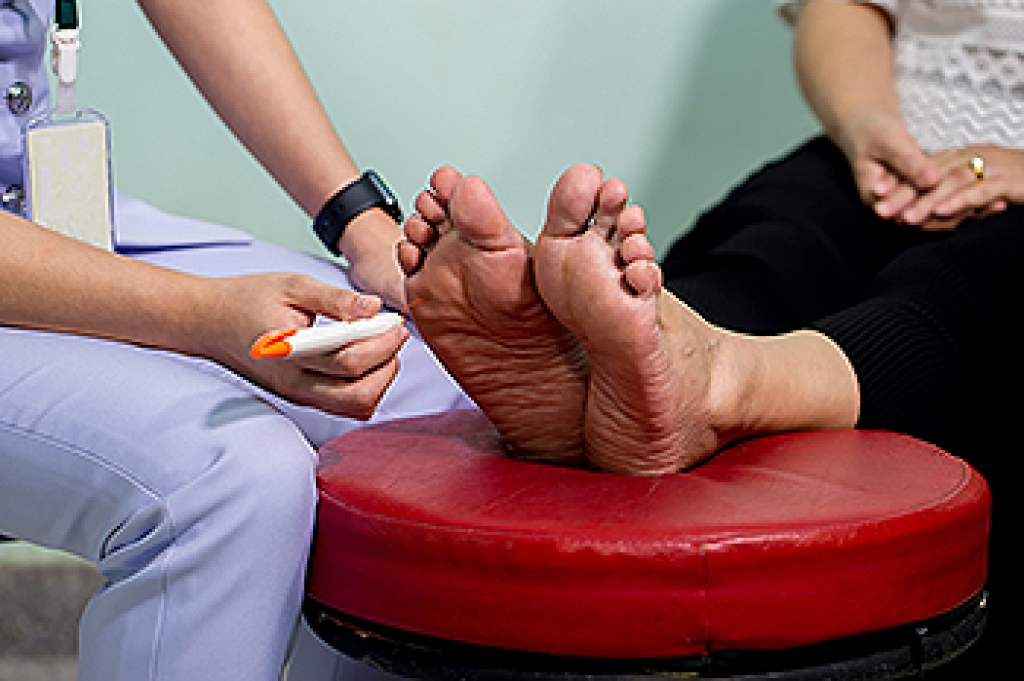
Diabetics have high blood sugar levels that can damage blood vessels and nerves in the legs and feet. Such damage can make it hard to feel pressure, pain, and temperature in the feet. Therefore, diabetics may not know they have a cut or sore on their foot or feel the effects of shoes that are not fitting properly. Diabetes can cause the toes to become crooked or curved under and this can impact the way one walks, leading to more pressure on the foot. The increased pressure can reduce blood flow to the feet which increases the risk of foot ulcers. Diabetics need to practice regular foot care to prevent serious problems such as an infection, gangrene, or even amputation. Regular foot care involves checking the feet daily for wounds, corns, or calluses as well as changes in skin texture, color, or temperature. Wash the feet each day with warm, soapy water and dry them, followed by applying a moisturizer. Finish by trimming the toenails straight across and wear well-fitting shoes with clean, dry socks. If you are diabetic it is suggested to have a professional foot exam once a year or whenever you notice a change in your feet. A podiatrist can monitor your feet over time as well as care for any problems that may arise.

Diabetic foot care is important in preventing foot ailments such as ulcers. If you are suffering from diabetes or have any other concerns about your feet, contact Genine Befumo, DPM from University Foot and Ankle Center, L.L.C. Our doctor can provide the care you need to keep you pain-free and on your feet.

Diabetic Foot Care

Diabetes affects millions of people every year. The condition can damage blood vessels in many parts of the body, especially the feet. Because of this, taking care of your feet is essential if you have diabetes, and having a podiatrist help monitor your foot health is highly recommended.

The Importance of Caring for Your Feet

  • Routinely inspect your feet for bruises or sores.
  • Wear socks that fit your feet comfortably.
  • Wear comfortable shoes that provide adequate support.

Patients with diabetes should have their doctor monitor their blood levels, as blood sugar levels play such a huge role in diabetic care. Monitoring these levels on a regular basis is highly advised.

It is always best to inform your healthcare professional of any concerns you may have regarding your feet, especially for diabetic patients. Early treatment and routine foot examinations are keys to maintaining proper health, especially because severe complications can arise if proper treatment is not applied.

If you have any questions, please feel free to contact our office located in Monroe Township, NJ . We offer the newest diagnostic and treatment technologies for all your foot care needs.

Read more about Diabetic Foot Conditions

Why Live with Pain and Numbness in Your Feet?

Suffering from this type of pain? You may have the foot condition known as Morton's neuroma. Morton's neuroma may develop as a result of ill-fitting footwear and existing foot deformities. We can help.

What Is a Heel Spur?

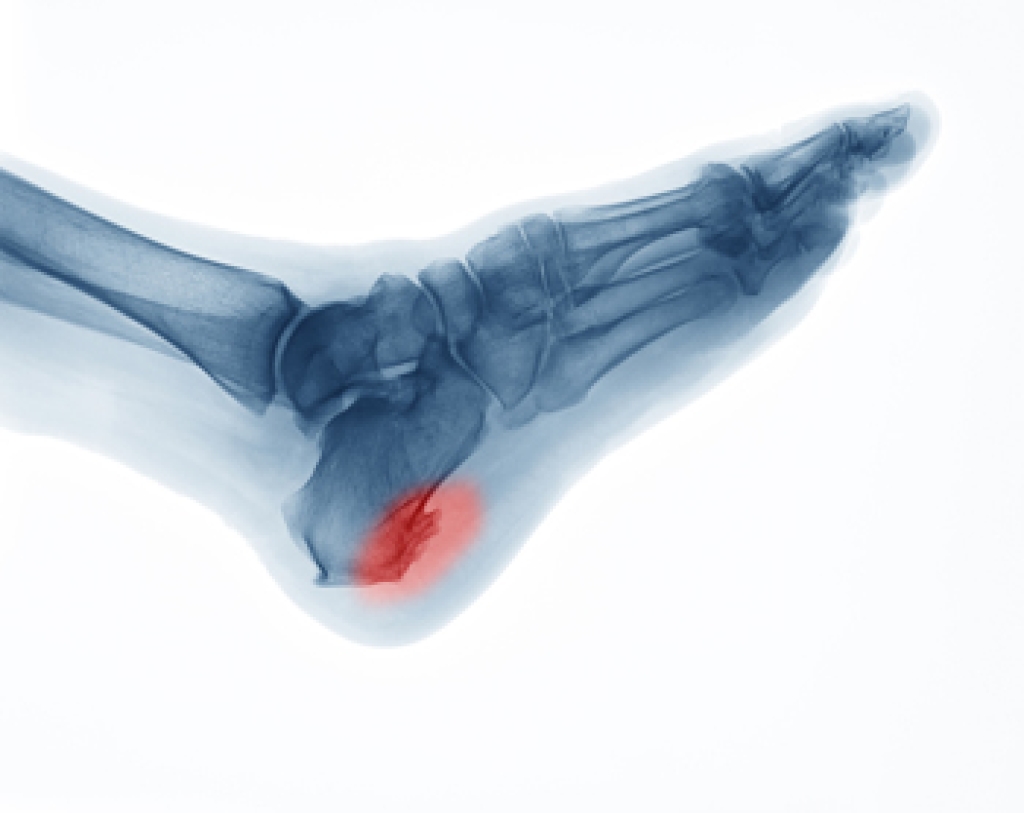
A heel spur is a growth of bone that forms from extra calcium deposits on the foot and that stretch from the heel bone to the foot arch. It is one of the most common causes of heel pain. Heel spurs are a quarter of an inch in length or smaller, though they may become larger in some cases. They cannot be seen from outside of the body but can become quite painful, especially when jumping, running, or walking. There may be swelling of the heel and ankle with heel spurs. Some of the primary causes of heel spurs are ill fitting or non-supportive footwear, wearing high heels, bruising under the heel bone, poor posture or other physical structural issues (such as flat feet or high arches), or being overweight or obese. Other possible causes are having a pre-existing medical condition, like diabetes or arthritis, over-training, repetitive hard impact or pressure on the heel, and aging with calcium leaving the bones and settling into the bloodstream and attaching to the surface of bones. Women are more prone to developing heel spurs than men because their hips are naturally wider in comparison to their knees which causes additional pressure to be placed on the heel with movement. Routine foot care and exercises to reduce ligament stress and relieve bone tension will help invigorate heel tissues, but sometimes surgery will be required to remove a heel spur. If you have a heel spur and it is causing pain and interfering with your functioning, consult with a podiatrist who can recommend the best course of treatment.

Heel spurs can be incredibly painful and sometimes may make you unable to participate in physical activities. To get medical care for your heel spurs, contact Genine Befumo, DPM from University Foot and Ankle Center, L.L.C. Our doctor will do everything possible to treat your condition.

Heels Spurs

Heel spurs are formed by calcium deposits on the back of the foot where the heel is. This can also be caused by small fragments of bone breaking off one section of the foot, attaching onto the back of the foot. Heel spurs can also be bone growth on the back of the foot and may grow in the direction of the arch of the foot.

Older individuals usually suffer from heel spurs and pain sometimes intensifies with age. One of the main condition's spurs are related to is plantar fasciitis.

Pain

The pain associated with spurs is often because of weight placed on the feet. When someone is walking, their entire weight is concentrated on the feet. Bone spurs then have the tendency to affect other bones and tissues around the foot. As the pain continues, the feet will become tender and sensitive over time.

Treatments

There are many ways to treat heel spurs. If one is suffering from heel spurs in conjunction with pain, there are several methods for healing. Medication, surgery, and herbal care are some options.

If you have any questions, please feel free to contact our office located in Monroe Township, NJ . We offer the newest diagnostic and treatment technologies for all your foot care needs.

Read more about How to Treat Heel Spurs

A Stress Fracture Can Be Called a Fatigue Fracture

A stress fracture in the foot is common among people who enjoy running and participating in sporting activities. It is considered to be a hairline fracture, and gradually happens from repetitive stress that is put on the bones in the feet. People may refer to it as a fatigue fracture, and it is a weakening of the bone. There may be additional risk factors at play in why some people develop stress fractures and others do not. These can include not consuming enough calories, having an earlier stress fracture, or possibly from having low body weight. Many people can endure a stress fracture from training too rapidly and frequently, as this does not allow adequate time for the bones to get used to the added stress. Additionally, if running is done on hard surfaces, it may contribute significantly to getting a stress fracture. Relief generally begins with stopping the activity that caused the fracture, and resting the affected foot which may help to relieve swelling. If you have endured a stress fracture, it is advised that you speak with a podiatrist as quickly as possible so the correct treatment can begin.

Stress fractures occur when there is a tiny crack within a bone. To learn more, contact Genine Befumo, DPM from University Foot and Ankle Center, L.L.C. Our doctor can provide the care you need to keep you pain free and on your feet.

How Are They Caused?

Stress fractures are the result of repetitive force being placed on the bone. Since the lower leg and feet often carry most of the body’s weight, stress fractures are likely to occur in these areas. If you rush into a new exercise, you are more likely to develop a stress fracture since you are starting too much, too soon.  Pain resulting from stress fractures may go unnoticed at first, however it may start to worsen over time.

Risk Factors

  • Gender – They are more commonly found in women compared to men.
  • Foot Problems – People with unusual arches in their feet are more likely to develop stress fractures.
  • Certain Sports – Dancers, gymnasts, tennis players, runners, and basketball players are more likely to develop stress fractures.
  • Lack of Nutrients – A lack of vitamin D and calcium may weaken the bones and make you more prone to stress fractures
  • Weak Bones – Osteoporosis can weaken the bones therefore resulting in stress fractures

Stress fractures do not always heal properly, so it is important that you seek help from a podiatrist if you suspect you may have one. Ignoring your stress fracture may cause it to worsen, and you may develop chronic pain as well as additional fractures.

If you have any questions please contact our office located in Monroe Township, NJ . We offer the newest diagnostic and treatment technologies for all your foot and ankle needs.
Read more about Stress Fractures of the Foot and Ankle
Connect with us

our recent articles