Blog

Identification and Diagnosis of Flat Feet

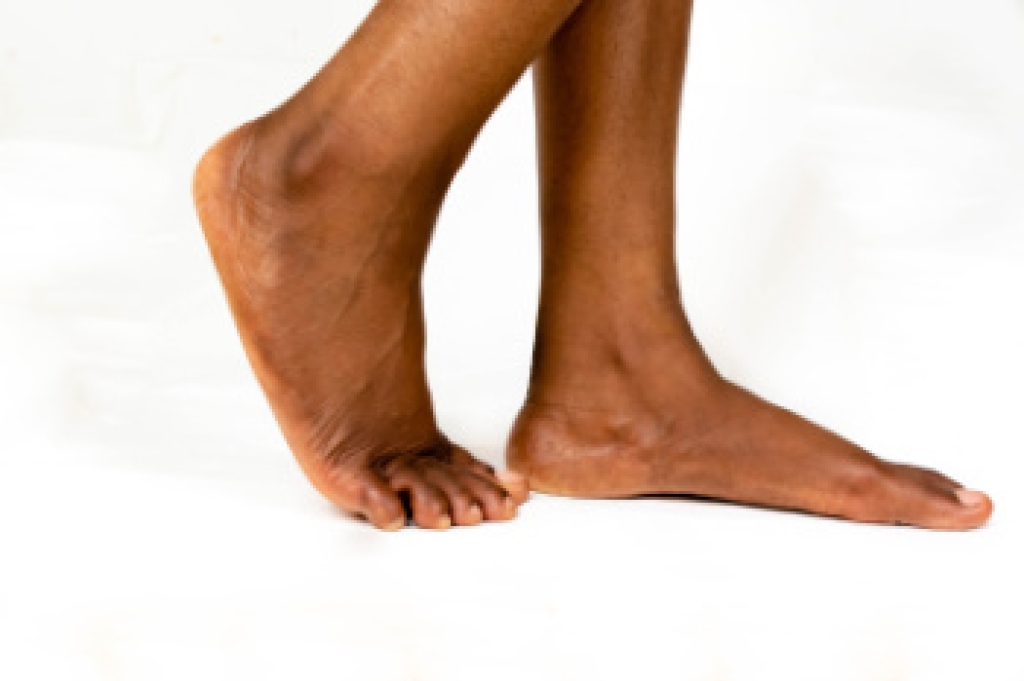
Flat feet, or fallen arches, are a common condition where the arches on the inside of the feet are flattened, allowing the entire sole to touch the floor while standing. This can be identified through a simple test. Wet your feet and stand on a flat surface where your footprint will show. A complete imprint of the sole indicates flat feet. Causes range from inherited genetic traits to weakened muscles in the feet and ankles due to aging or injury. While flat feet themselves are not always problematic, they can lead to complications such as foot pain, alignment issues with the ankles and knees, and increased risk of injuries. Management options include wearing supportive shoes, custom orthotic devices, engaging in exercises that strengthen foot muscles, and reducing activities that put excessive strain on the feet. If you have flat feet and have foot pain or mobility issues that persist, it is suggested that you see a podiatrist for a thorough evaluation and tailored treatment plan.

Flatfoot is a condition many people suffer from. If you have flat feet, contact Genine Befumo, DPM from University Foot and Ankle Center, L.L.C. Our doctor will treat your foot and ankle needs.

What Are Flat Feet?

Flatfoot is a condition in which the arch of the foot is depressed and the sole of the foot is almost completely in contact with the ground. About 20-30% of the population generally has flat feet because their arches never formed during growth.

Conditions & Problems:

Having flat feet makes it difficult to run or walk because of the stress placed on the ankles.

Alignment – The general alignment of your legs can be disrupted, because the ankles move inward which can cause major discomfort.

Knees – If you have complications with your knees, flat feet can be a contributor to arthritis in that area.  

Symptoms

  • Pain around the heel or arch area
  • Trouble standing on the tip toe
  • Swelling around the inside of the ankle
  • Flat look to one or both feet
  • Having your shoes feel uneven when worn

Treatment

If you are experiencing pain and stress on the foot you may weaken the posterior tibial tendon, which runs around the inside of the ankle. 

If you have any questions, please feel free to contact our office located in Monroe Township, NJ . We offer the newest diagnostic and treatment technologies for all your foot care needs.
Read more about What is Flexible Flat Foot?

Cuboid Syndrome and Other Cuboid Injuries

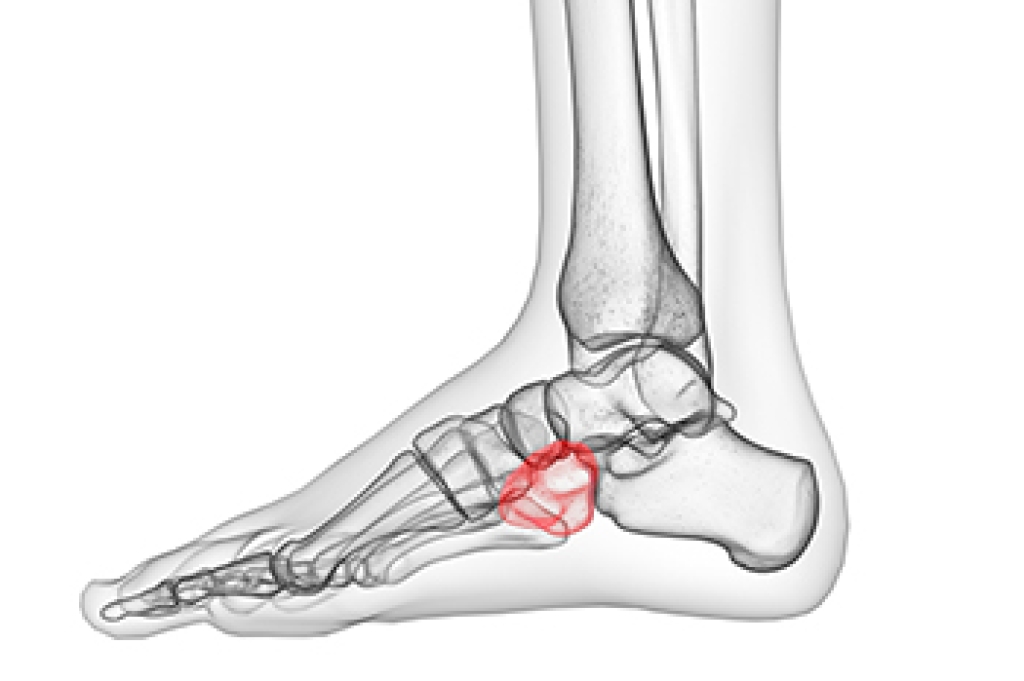
Cuboid syndrome occurs when the cuboid bone, located on the outer side of the midfoot, partially dislocates. This condition typically results from injury or repetitive strain that disrupts the alignment and stability of the cuboid bone. The hallmark symptom of cuboid syndrome is pain on the lateral side of the foot, especially when weight is placed on the foot or when pushing off the toes. Other symptoms can include tenderness, swelling, and difficulty walking. Athletes or people with poor foot biomechanics are more prone to getting cuboid syndrome. Another type of cuboid injury, cuboid fractures, are less common. Fractures result from direct trauma or severe force to the cuboid bone, leading to more acute and localized pain, significant swelling, and bruising. Both conditions require proper medical assessment and treatment. For cuboid syndrome, treatment might involve various techniques, such as manipulation to realign the bone, taping to stabilize it, and orthotics to correct biomechanical issues. For fractures, immobilization with a cast or boot and possibly surgery may be necessary. A podiatrist, or foot doctor, can diagnose these conditions through clinical evaluation and imaging studies like X-rays. They can also provide the appropriate management techniques to alleviate pain and restore function. If you suspect an injury to the cuboid bone in the foot, it is suggested that you make an appointment with a podiatrist as soon as possible. 

Cuboid syndrome, also known as cuboid subluxation, occurs when the joints and ligaments near the cuboid bone in the foot become torn. If you have cuboid syndrome, consult with Genine Befumo, DPM from University Foot and Ankle Center, L.L.C. Our doctor will assess your condition and provide you with quality foot and ankle treatment.

Cuboid syndrome is a common cause of lateral foot pain, which is pain on the outside of the foot. The condition may happen suddenly due to an ankle sprain, or it may develop slowly overtime from repetitive tension through the bone and surrounding structures.

Causes

The most common causes of cuboid syndrome include:

  • Injury – The most common cause of this ailment is an ankle sprain.
  • Repetitive Strain – Tension placed through the peroneus longus muscle from repetitive activities such as jumping and running may cause excessive traction on the bone causing it to sublux.
  • Altered Foot Biomechanics – Most people suffering from cuboid subluxation have flat feet.

Symptoms

A common symptom of cuboid syndrome is pain along the outside of the foot which can be felt in the ankle and toes. This pain may create walking difficulties and may cause those with the condition to walk with a limp.

Diagnosis

Diagnosis of cuboid syndrome is often difficult, and it is often misdiagnosed. X-rays, MRIs and CT scans often fail to properly show the cuboid subluxation. Although there isn’t a specific test used to diagnose cuboid syndrome, your podiatrist will usually check if pain is felt while pressing firmly on the cuboid bone of your foot.

Treatment

Just as the range of causes varies widely, so do treatments. Some more common treatments are ice therapy, rest, exercise, taping, and orthotics.

If you have any questions, please feel free to contact our office located in Monroe Township, NJ . We offer the newest diagnostic and treatment technologies for all your foot care needs.

Read more about Cuboid Syndrome

How Women Should Care for Their Feet

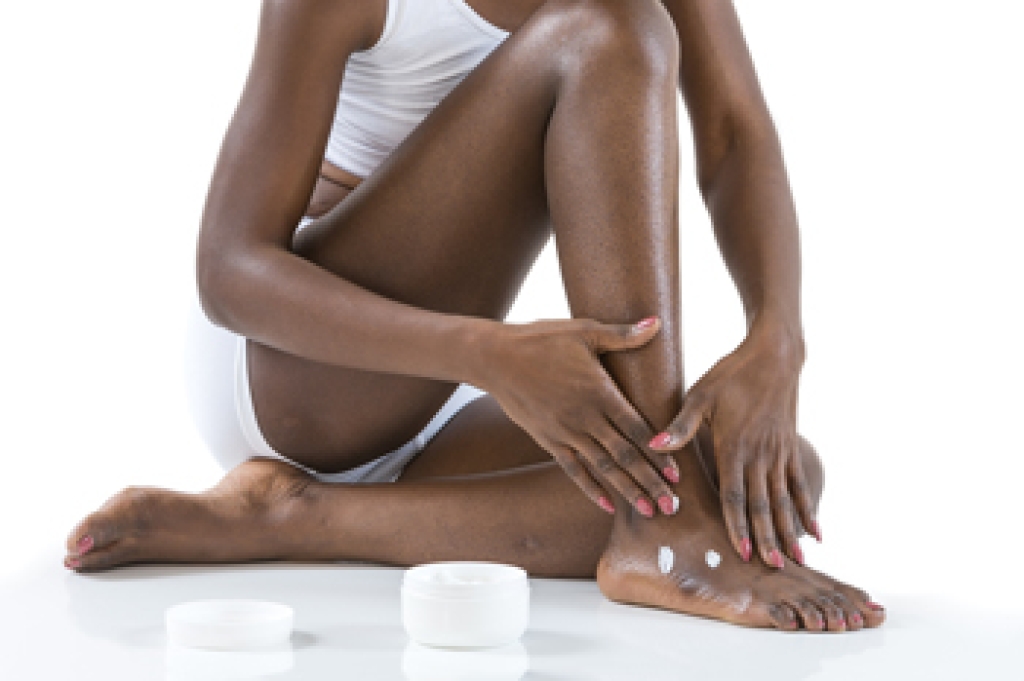
Women often overlook the importance of foot health until discomfort strikes. However, maintaining happy and healthy feet is essential for overall well-being. To achieve this, prioritize foot hygiene by regularly washing and drying feet thoroughly, paying attention to spaces between toes. Trim toenails straight across to prevent ingrown nails. Choose footwear wisely, opting for comfortable shoes with proper arch support and sufficient room for toes. Avoid wearing high heels for extended periods, as they can cause strain and foot problems. Additionally, incorporate foot exercises like stretching and rolling a tennis ball underfoot to relieve tension and improve circulation. Moisturize feet daily to prevent dryness and cracking. Lastly, ensure feet age gracefully by wearing sunscreen and avoiding prolonged exposure to harsh elements. Despite these measures, if you have persistent foot issues, it is suggested that you schedule an appointment with a podiatrist to address foot concerns and get regular check-ups.

Everyday foot care is very important to prevent infection and other foot ailments. If you need your feet checked, contact Genine Befumo, DPM from University Foot and Ankle Center, L.L.C. Our doctor can provide the care you need to keep you pain-free and on your feet.

Everyday Foot Care

Often, people take care of their bodies, face and hair more so than they do for their feet. But the feet are a very important aspect of our bodies, and one that we should pay more attention to. Without our feet, we would not be able to perform most daily tasks.

It is best to check your feet regularly to make sure there are no new bruises or cuts that you may not have noticed before. For dry feet, moisturizer can easily be a remedy and can be applied as often as necessary to the affected areas. Wearing shoes that fit well can also help you maintain good foot health, as well as making it easier to walk and do daily activities without the stress or pain of ill-fitting shoes, high heels, or even flip flops. Wearing clean socks with closed shoes is important to ensure that sweat and bacteria do not accumulate within the shoe. Clean socks help to prevent Athlete’s foot, fungi problems, bad odors, and can absorb sweat.

If you have any questions, please feel free to contact our office located in Monroe Township, NJ . We offer the newest diagnostic and treatment technologies for all your foot care needs.

Read more about Everyday Foot Care

It's Time for Beautiful Feet

You don't need an excuse to have beautiful nails. Step outside without worrying about the appearance of your feet.

Diabetic Foot Ulcer Management

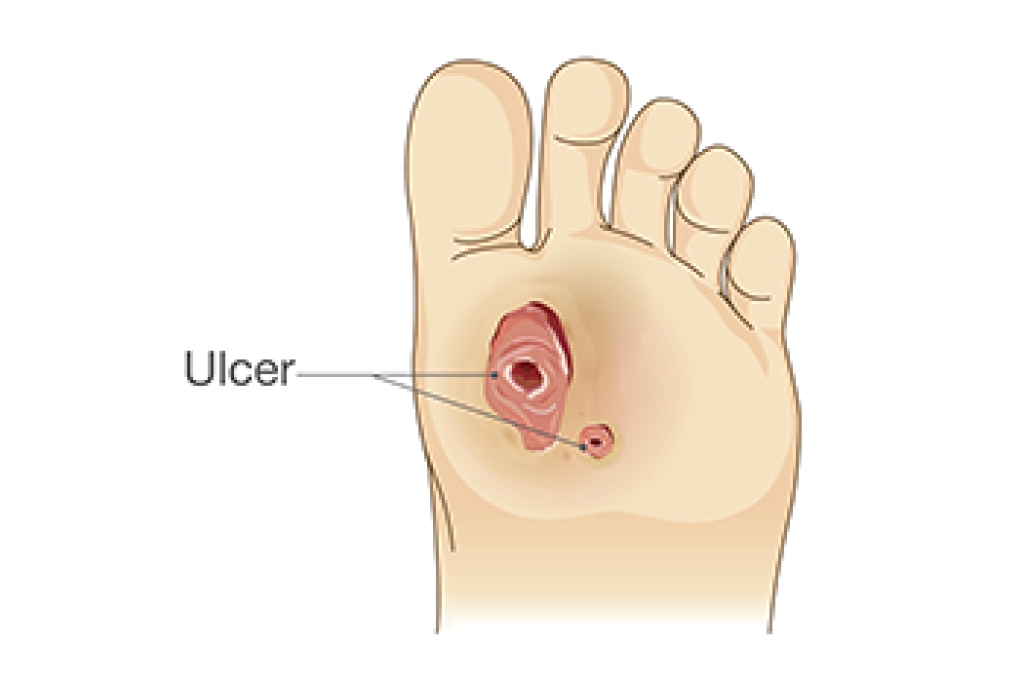
Diabetic foot ulcers are a serious concern for people with diabetes, as they can lead to severe complications. These ulcers form due to a combination of poor circulation, nerve damage, and impaired wound-healing capabilities, all common in diabetics. To lower the risk of complications, it's important to manage blood sugar levels diligently, as high glucose can further impair healing. Regular inspections of the feet for any cuts, bruises, or changes are essential to catch problems early. Making regular appointments with a podiatrist, or foot doctor, can help with this process. Wearing properly fitting shoes and avoiding walking barefoot can also prevent injuries. If an ulcer does develop, it is important to seek immediate medical attention to treat the wound and any infections. Maintaining cleanliness, applying appropriate dressings, and possibly using antibiotics are typical steps in managing foot ulcers. If you are diabetic and at risk for developing foot ulcers, it is suggested that you add a podiatrist to your care team. 

Diabetic foot care is important in preventing foot ailments such as ulcers. If you are suffering from diabetes or have any other concerns about your feet, contact Genine Befumo, DPM from University Foot and Ankle Center, L.L.C. Our doctor can provide the care you need to keep you pain-free and on your feet.

Diabetic Foot Care

Diabetes affects millions of people every year. The condition can damage blood vessels in many parts of the body, especially the feet. Because of this, taking care of your feet is essential if you have diabetes, and having a podiatrist help monitor your foot health is highly recommended.

The Importance of Caring for Your Feet

  • Routinely inspect your feet for bruises or sores.
  • Wear socks that fit your feet comfortably.
  • Wear comfortable shoes that provide adequate support.

Patients with diabetes should have their doctor monitor their blood levels, as blood sugar levels play such a huge role in diabetic care. Monitoring these levels on a regular basis is highly advised.

It is always best to inform your healthcare professional of any concerns you may have regarding your feet, especially for diabetic patients. Early treatment and routine foot examinations are keys to maintaining proper health, especially because severe complications can arise if proper treatment is not applied.

If you have any questions, please feel free to contact our office located in Monroe Township, NJ . We offer the newest diagnostic and treatment technologies for all your foot care needs.

Read more about Diabetic Foot Conditions
Connect with us

our recent articles