
Blog

Metatarsal Bone Fractures

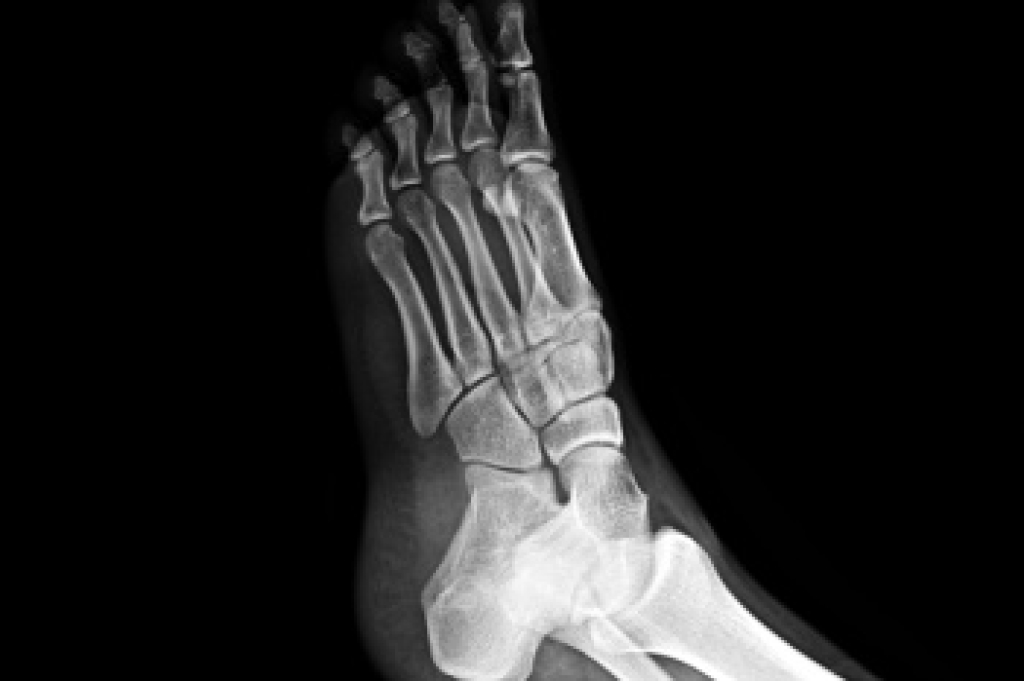
Metatarsal bone fractures occur when one of the long bones in the middle of the foot breaks, often from trauma, overuse, or a sudden twist. These fractures can be open, where the bone pierces the skin, or closed, where the skin remains intact. They may also be displaced, meaning the bone pieces are out of alignment, or nondisplaced, where the bone remains properly aligned. A podiatrist can assess the injury through examination and imaging, provide proper immobilization, and recommend treatment to promote healing and prevent long-term complications. Early diagnosis is vital to restoring foot function and mobility. If you have foot pain or feel you may have broken a bone, it is suggested that you promptly visit a podiatrist who can accurately diagnose and treat what is going on.

A broken foot requires immediate medical attention and treatment. If you need your feet checked, contact Genine Befumo, DPM from University Foot and Ankle Center, L.L.C. Our doctor can provide the care you need to keep you pain-free and on your feet.

Broken Foot Causes, Symptoms, and Treatment

A broken foot is caused by one of the bones in the foot typically breaking when bended, crushed, or stretched beyond its natural capabilities. Usually the location of the fracture indicates how the break occurred, whether it was through an object, fall, or any other type of injury. 

Common Symptoms of Broken Feet:

  • Bruising
  • Pain
  • Redness
  • Swelling
  • Blue in color
  • Numbness
  • Cold
  • Misshapen
  • Cuts
  • Deformities

Those that suspect they have a broken foot shoot seek urgent medical attention where a medical professional could diagnose the severity.

Treatment for broken bones varies depending on the cause, severity and location. Some will require the use of splints, casts or crutches while others could even involve surgery to repair the broken bones. Personal care includes the use of ice and keeping the foot stabilized and elevated.

If you have any questions, please feel free to contact our office located in Monroe Township, NJ . We offer the newest diagnostic and treatment technologies for all your foot care needs.
Read more about Causes, Symptoms, and Treatment for a Broken Foot

The Importance of Diabetic Foot Care for Lasting Health

Diabetic foot care is essential for preventing serious complications. Diabetes can lead to reduced circulation, nerve damage, and delayed healing, making the feet vulnerable to injury, infection, and ulcers. Any change in color, shape, sensitivity, or the presence of numbness should be addressed promptly. Even a minor injury can become severe without proper care. Regular podiatric visits help detect early signs of problems and provide professional guidance for daily foot care, nail trimming, and footwear. A podiatrist can also manage wounds, treat infections, and recommend preventive measures tailored to your needs. If you have diabetes, it is strongly suggested that you are under the care of a podiatrist who can help you to manage this serious condition.

Diabetic foot care is important in preventing foot ailments such as ulcers. If you are suffering from diabetes or have any other concerns about your feet, contact Genine Befumo, DPM from University Foot and Ankle Center, L.L.C. Our doctor can provide the care you need to keep you pain-free and on your feet.

Diabetic Foot Care

Diabetes affects millions of people every year. The condition can damage blood vessels in many parts of the body, especially the feet. Because of this, taking care of your feet is essential if you have diabetes, and having a podiatrist help monitor your foot health is highly recommended.

The Importance of Caring for Your Feet

  • Routinely inspect your feet for bruises or sores.
  • Wear socks that fit your feet comfortably.
  • Wear comfortable shoes that provide adequate support.

Patients with diabetes should have their doctor monitor their blood levels, as blood sugar levels play such a huge role in diabetic care. Monitoring these levels on a regular basis is highly advised.

It is always best to inform your healthcare professional of any concerns you may have regarding your feet, especially for diabetic patients. Early treatment and routine foot examinations are keys to maintaining proper health, especially because severe complications can arise if proper treatment is not applied.

If you have any questions, please feel free to contact our office located in Monroe Township, NJ . We offer the newest diagnostic and treatment technologies for all your foot care needs.

Read more about Diabetic Foot Conditions

Foot Wounds and the Vital Role of a Podiatrist

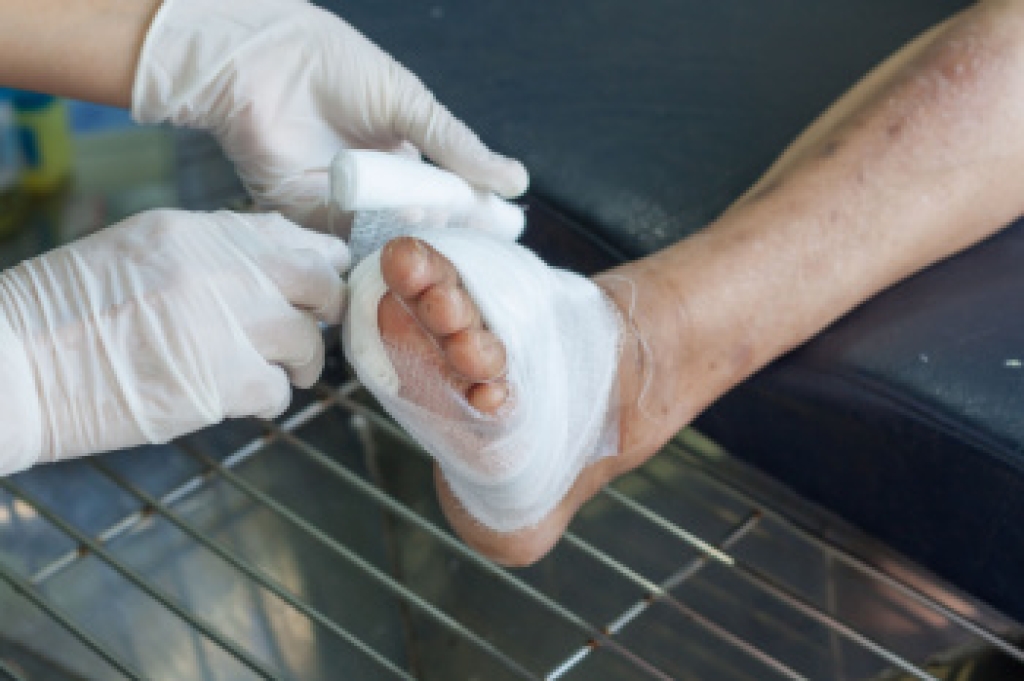
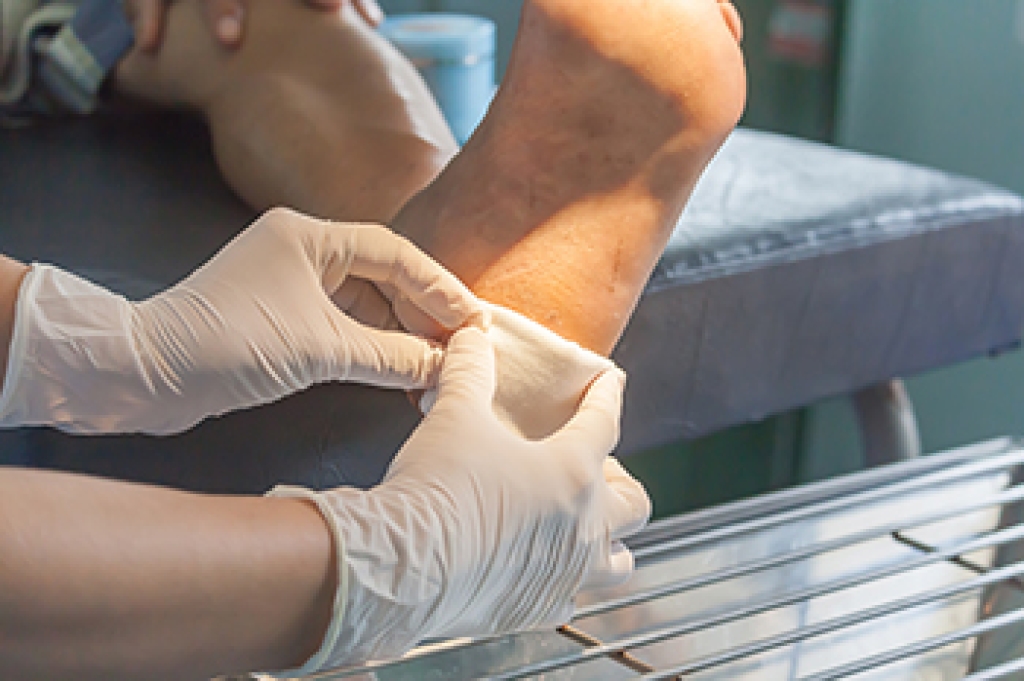
A foot wound is any break in the skin of the foot that can result from injury, pressure, poor circulation, or underlying health conditions. Without proper care, these wounds may lead to infection or delayed healing. Debridement, the process of removing dead or damaged tissue, is a key step in promoting healthy tissue growth and preventing complications. A podiatrist is able to diagnose and treat foot wounds, perform debridement, monitor healing, and create individualized care plans to restore foot health. These foot doctors play a vital role in preventing infections and protecting overall mobility. If you have a foot wound or experience slow healing, it is strongly suggested that you promptly schedule an appointment with a podiatrist to receive expert care and avoid serious complications.

Wound care is an important part in dealing with diabetes. If you have diabetes and a foot wound or would like more information about wound care for diabetics, consult with Genine Befumo, DPM from University Foot and Ankle Center, L.L.C. Our doctor will assess your condition and provide you with quality foot and ankle treatment.

What Is Wound Care?

Wound care is the practice of taking proper care of a wound. This can range from the smallest to the largest of wounds. While everyone can benefit from proper wound care, it is much more important for diabetics. Diabetics often suffer from poor blood circulation which causes wounds to heal much slower than they would in a non-diabetic. 

What Is the Importance of Wound Care?

While it may not seem apparent with small ulcers on the foot, for diabetics, any size ulcer can become infected. Diabetics often also suffer from neuropathy, or nerve loss. This means they might not even feel when they have an ulcer on their foot. If the wound becomes severely infected, amputation may be necessary. Therefore, it is of the upmost importance to properly care for any and all foot wounds.

How to Care for Wounds

The best way to care for foot wounds is to prevent them. For diabetics, this means daily inspections of the feet for any signs of abnormalities or ulcers. It is also recommended to see a podiatrist several times a year for a foot inspection. If you do have an ulcer, run the wound under water to clear dirt from the wound; then apply antibiotic ointment to the wound and cover with a bandage. Bandages should be changed daily and keeping pressure off the wound is smart. It is advised to see a podiatrist, who can keep an eye on it.

If you have any questions please contact our office located in Monroe Township, NJ . We offer the newest diagnostic and treatment technologies for all your foot and ankle needs.

Read more about Wound Care

Reminder: When Was the Last Time...?

Custom orthotics, or shoe inserts, should be periodically replaced. Orthotics must fit properly to give you the best results. Protect your feet and ankles!

Reasons for Plantar Heel Pain in Athletes

Plantar heel pain in athletes is often caused by repetitive stress on the plantar fascia, the thick band of tissue supporting the arch of the foot. Other factors include overuse, sudden increases include training intensity, or improper footwear. The biomechanical demands of sports such as running, basketball, and soccer place continuous strain on the foot, especially during jumping or rapid direction changes. Age can also play a role, with younger athletes facing growth-related conditions and older athletes experiencing wear and reduced elasticity. A podiatrist can assess movement patterns, recommend custom orthotics, and provide targeted therapies. If heel pain affects your performance, it is suggested that you seek podiatric care to restore function and support your athletic goals.

Many people suffer from bouts of heel pain. For more information, contact Genine Befumo, DPM of University Foot and Ankle Center, L.L.C. Our doctor can provide the care you need to keep you pain-free and on your feet.

Causes of Heel Pain

Heel pain is often associated with plantar fasciitis. The plantar fascia is a band of tissues that extends along the bottom of the foot. A rip or tear in this ligament can cause inflammation of the tissue.

Achilles tendonitis is another cause of heel pain. Inflammation of the Achilles tendon will cause pain from fractures and muscle tearing. Lack of flexibility is also another symptom.

Heel spurs are another cause of pain. When the tissues of the plantar fascia undergo a great deal of stress, it can lead to ligament separation from the heel bone, causing heel spurs.

Why Might Heel Pain Occur?

  • Wearing ill-fitting shoes                
  • Wearing non-supportive shoes
  • Weight change           
  • Excessive running

Treatments

Heel pain should be treated as soon as possible for immediate results. Keeping your feet in a stress-free environment will help. If you suffer from Achilles tendonitis or plantar fasciitis, applying ice will reduce the swelling. Stretching before an exercise like running will help the muscles. Using all these tips will help make heel pain a condition of the past.

If you have any questions, please feel free to contact our office located in Monroe Township, NJ . We offer the newest diagnostic and treatment technologies for all your foot care needs.

Read more about Heel Pain
Connect with us

our recent articles