
Blog

Toenails That Grow the Wrong Way

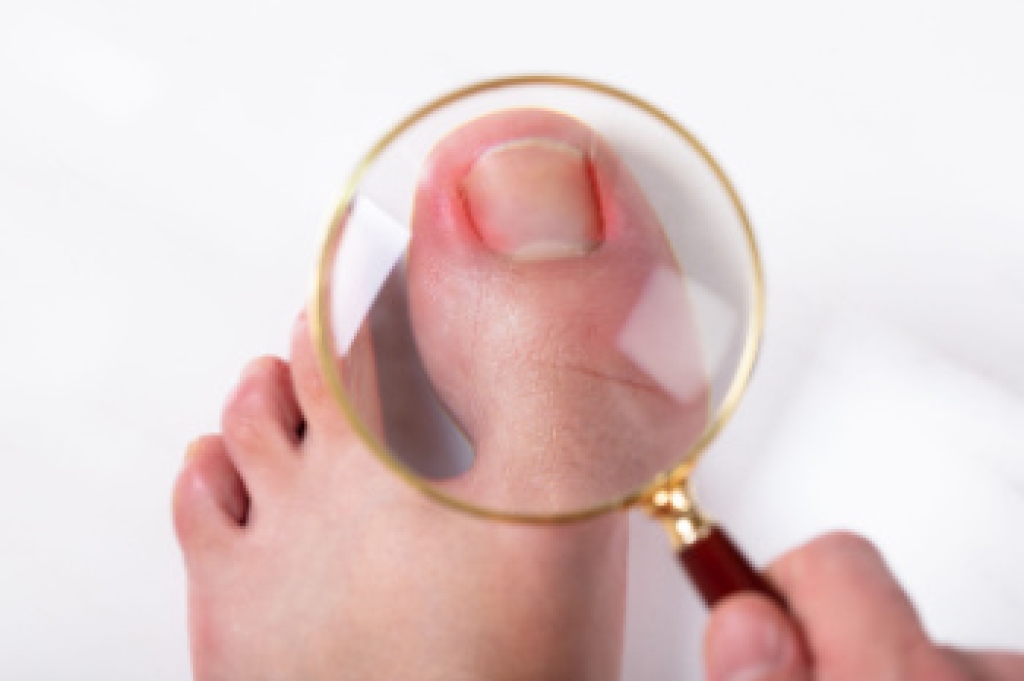
An ingrown toenail occurs when the edge of the nail grows into the surrounding skin instead of over it. This condition most often affects the big toe and can cause significant discomfort. The area may appear red, swollen, and tender, and the skin along the nail edge may feel painful when touched or when pressure is applied from shoes. As the condition worsens, the area can become warm, inflamed, or even develop drainage if infection begins. Common causes include trimming the nails too short, rounding the corners of the nail, tight footwear, injury to the toe, or natural nail shape. A podiatrist can evaluate the toe and determine the best treatment based on the severity of the condition. Early care may include careful nail trimming, reducing pressure on the toe, and protecting the irritated skin. If the problem continues or the nail becomes infected, a small procedure may be performed to remove the ingrown portion of the nail and prevent it from returning. If you have a painful ingrown toenail, it is suggested that you make an appointment with a podiatrist.

Ingrown toenails can become painful if they are not treated properly. For more information about ingrown toenails, contact Genine Befumo, DPM of University Foot and Ankle Center, L.L.C. Our doctor can provide the care you need to keep you pain-free and on your feet.

Ingrown Toenails

Ingrown toenails occur when a toenail grows sideways into the bed of the nail, causing pain, swelling, and possibly infection.

Causes

  • Bacterial infections
  • Improper nail cutting such as cutting it too short or not straight across
  • Trauma to the toe, such as stubbing, which causes the nail to grow back irregularly
  • Ill-fitting shoes that bunch the toes too close together
  • Genetic predisposition

Prevention

Wearing proper fitting shoes and using proper cutting techniques will also help decrease your risk of developing ingrown toenails.

Treatment

Ingrown toenails are a very treatable foot condition. In minor cases, soaking the affected area in salt or antibacterial soaps will not only help with the ingrown nail itself, but also help prevent any infections from occurring. In more severe cases, surgery is an option. In either case, speaking to your podiatrist about this condition will help you get a better understanding of specific treatment options that are right for you.

If you have any questions, please feel free to contact our office located in Monroe Township, NJ . We offer the newest diagnostic and treatment technologies for all your foot care needs.
Read more about Ingrown Toenail Care

Why Corns and Calluses Develop on Athletes’ Feet

Athletes place repeated pressure on their feet during running, jumping, and quick direction changes. Over time, this constant friction and stress can cause the skin to thicken in certain areas. Corns and calluses are the body’s natural response to protect the skin from ongoing pressure. Calluses usually appear as larger areas of thickened skin on the ball of the foot or heel, while corns are smaller and often form on the tops or sides of toes where shoes rub. Although this thickened skin may begin as a protective response, it can become painful if it continues to build up. Wearing poorly fitting athletic shoes, tight cleats, or foot structure differences may increase pressure on certain parts of the foot. Proper footwear, protective padding, and routine foot care may help reduce irritation. When corns or calluses become painful or keep returning, it is suggested that you see a podiatrist for an evaluation and appropriate treatment.

If you have any concerns regarding your feet and ankles, contact Genine Befumo, DPM of University Foot and Ankle Center, L.L.C. Our doctor will treat your foot and ankle needs.

Corns: What Are They? and How Do You Get Rid of Them?
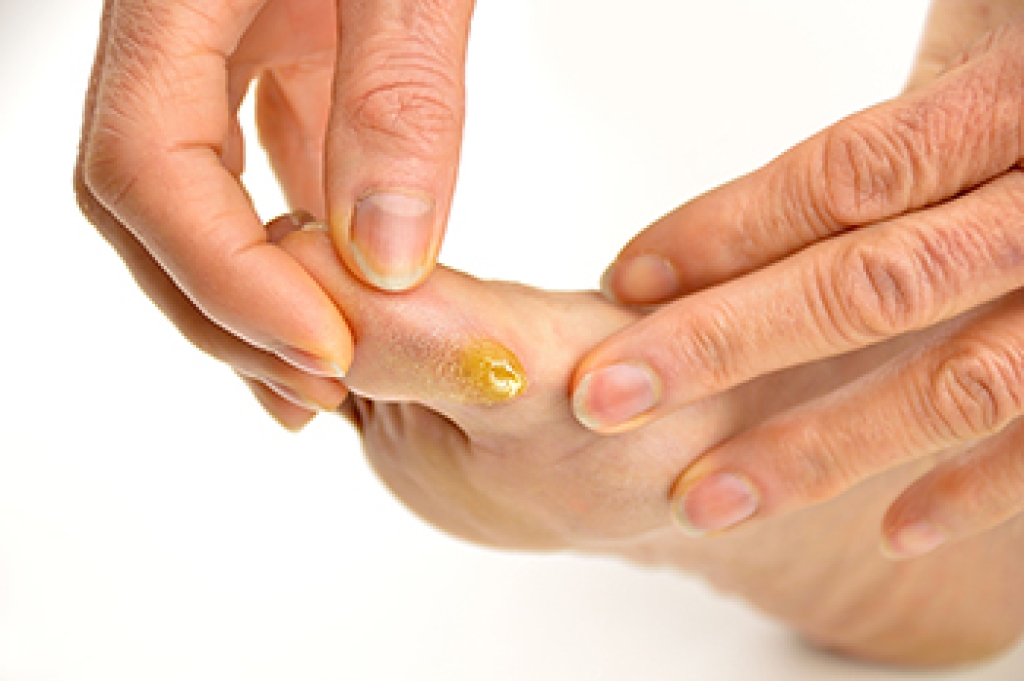
Corns can be described as areas of the skin that have thickened to the point of becoming painful or irritating. They are often layers and layers of the skin that have become dry and rough, and are normally smaller than calluses.

Ways to Prevent Corns
There are many ways to get rid of painful corns such as wearing:

  • Well-fitting socks
  • Comfortable shoes that are not tight around your foot
  • Shoes that offer support

Treating Corns
Treatment of corns involves removing the dead skin that has built up in the specific area of the foot. Consult with Our doctor to determine the best treatment option for your case of corns.

If you have any questions, please feel free to contact our office located in Monroe Township, NJ . We offer the newest diagnostic and treatment technologies for all your foot care needs.
Read more about Corns and Calluses

Understanding the Mechanical Properties of the Achilles Tendon

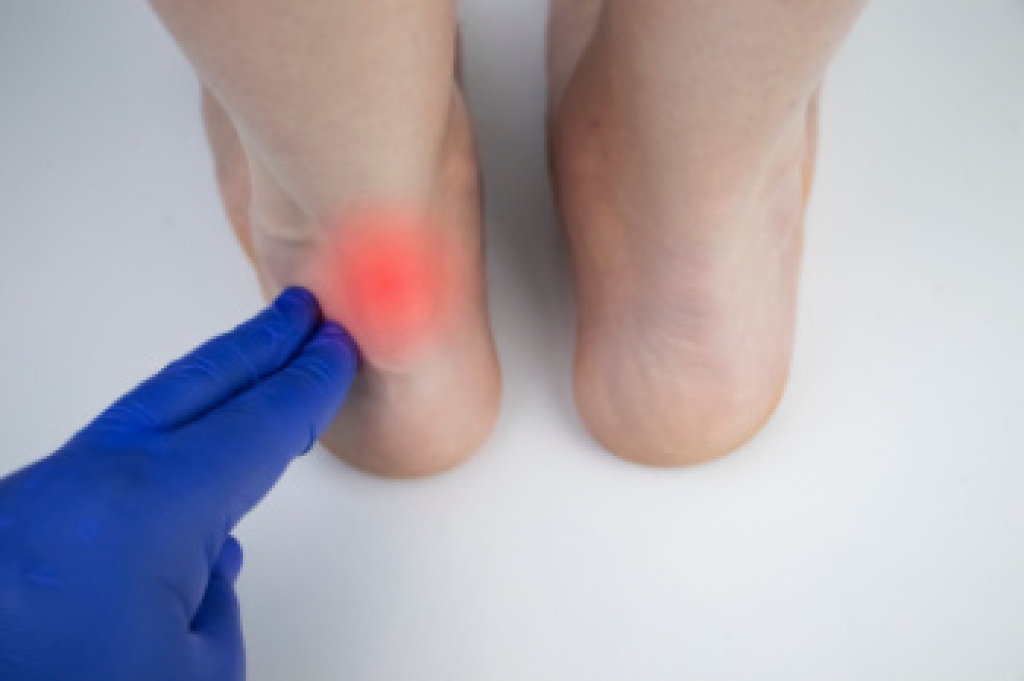
The Achilles tendon is a thick band of tissue that connects the calf muscles to the heel bone. It plays an important role in walking, running, and jumping by transferring force from the leg to the foot. One key mechanical property of the tendon is strength. The Achilles tendon is one of the strongest tendons in the body and can handle high levels of force during daily movement. Another important feature is elasticity, which allows the tendon to stretch slightly and then return to its original shape. This ability helps store and release energy when the foot pushes off the ground. The tendon also has stiffness, which allows it to move force efficiently from the calf muscles to the foot. However, repeated stress or tight muscles can place extra strain on the tendon and lead to injury. If you experience heel or tendon pain, it is suggested that you see a podiatrist for a proper diagnosis and appropriate treatment.

Achilles tendon injuries need immediate attention to avoid future complications. If you have any concerns, contact Genine Befumo, DPM of University Foot and Ankle Center, L.L.C. Our doctor can provide the care you need to keep you pain-free and on your feet.

What Is the Achilles Tendon?

The Achilles tendon is a tendon that connects the lower leg muscles and calf to the heel of the foot. It is the strongest tendon in the human body and is essential for making movement possible. Because this tendon is such an integral part of the body, any injuries to it can create immense difficulties and should immediately be presented to a doctor.

What Are the Symptoms of an Achilles Tendon Injury?

There are various types of injuries that can affect the Achilles tendon. The two most common injuries are Achilles tendinitis and ruptures of the tendon.

Achilles Tendinitis Symptoms

  • Inflammation
  • Dull to severe pain
  • Increased blood flow to the tendon
  • Thickening of the tendon

Rupture Symptoms

  • Extreme pain and swelling in the foot
  • Total immobility

Treatment and Prevention

Achilles tendon injuries are diagnosed by a thorough physical evaluation, which can include an MRI. Treatment involves rest, physical therapy, and in some cases, surgery. However, various preventative measures can be taken to avoid these injuries, such as:

  • Thorough stretching of the tendon before and after exercise
  • Strengthening exercises like calf raises, squats, leg curls, leg extensions, leg raises, lunges, and leg presses

If you have any questions please feel free to contact our office located in Monroe Township, NJ . We offer the newest diagnostic tools and technology to treat your foot and ankle needs.

Read more about What are Achilles Tendon Injuries

It's Time for Beautiful Feet

You don't need an excuse to have beautiful nails. Step outside without worrying about the appearance of your feet.

Foot Health and Wearing High Heels

Wearing high heels regularly can have a significant negative impact on foot health. The unnatural angle and pressure on the forefoot can contribute to the development of bunions, hammertoes, and neuromas, which can affect balance and alter natural gait. Over time, this added strain may lead to chronic pain, calluses, and difficulty walking comfortably. Risk factors include prolonged use of high heels with a narrow toe box, previous foot deformities, and high activity levels while wearing heels. A podiatrist can assess foot structure, recommend supportive footwear, provide custom orthotics, and offer treatment to relieve pain and prevent further damage. If you have foot pain from frequently wearing high heels, it is suggested that you consult a podiatrist who can offer effective relief tips, and guide you on appropriate shoes to wear.

High heels have a history of causing foot and ankle problems. If you have any concerns about your feet or ankles, contact Genine Befumo, DPM from University Foot and Ankle Center, L.L.C. Our doctor can provide the care you need to keep you pain-free and on your feet.

Effects of High Heels on the Feet

High heels are popular shoes among women because of their many styles and societal appeal.  Despite this, high heels can still cause many health problems if worn too frequently.

Which Parts of My Body Will Be Affected by High Heels?

  • Ankle Joints
  • Achilles Tendon – May shorten and stiffen with prolonged wear
  • Balls of the Feet
  • Knees – Heels cause the knees to bend constantly, creating stress on them
  • Back – They decrease the spine’s ability to absorb shock, which may lead to back pain.  The vertebrae of the lower back may compress.

What Kinds of Foot Problems Can Develop from Wearing High Heels?

  • Corns
  • Calluses
  • Hammertoe
  • Bunions
  • Morton’s Neuroma
  • Plantar Fasciitis

How Can I Still Wear High Heels and Maintain Foot Health?

If you want to wear high heeled shoes, make sure that you are not wearing them every day, as this will help prevent long term physical problems.  Try wearing thicker heels as opposed to stilettos to distribute weight more evenly across the feet.  Always make sure you are wearing the proper shoes for the right occasion, such as sneakers for exercising.  If you walk to work, try carrying your heels with you and changing into them once you arrive at work.  Adding inserts to your heels can help cushion your feet and absorb shock. Full foot inserts or metatarsal pads are available. 

If you have any questions, please feel free to contact our office located in Monroe Township, NJ . We offer the newest diagnostic and treatment technologies for all your foot care needs.

Read more about Effect of High Heels on the Feet
Connect with us

our recent articles