
Blog

Why Gout Commonly Affects the Toes

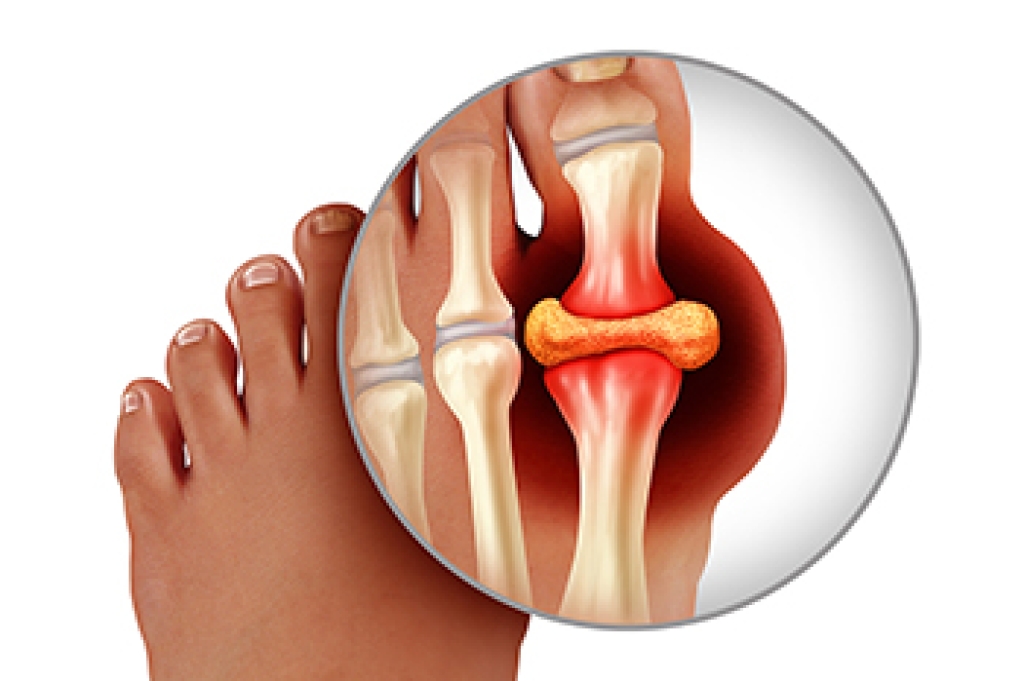
Gout is a form of inflammatory arthritis that often affects the joints of the toes, particularly the big toe. This happens when excess uric acid in the blood forms sharp crystals that deposit in the joints, leading to sudden and intense pain, swelling, and redness. Several factors contribute to high levels of uric acid. Dietary triggers such as red meat, seafood, and alcohol can increase uric acid production. Genetic factors also play a role, making some individuals more prone to developing gout. Certain medical conditions, including kidney disease, high blood pressure, and diabetes, can interfere with uric acid removal. A sedentary lifestyle or obesity further increase the risk. The toes are especially vulnerable due to their cooler temperature, which encourages crystal formation in that area. If you have symptoms of gout, it is suggested that you promptly contact a podiatrist who can help you to manage this painful condition.

Gout is a foot condition that requires certain treatment and care. If you are seeking treatment, contact Genine Befumo, DPM from University Foot and Ankle Center, L.L.C. Our doctor will treat your foot and ankle needs.

What Is Gout?

Gout is a type of arthritis caused by a buildup of uric acid in the bloodstream. It often develops in the foot, especially the big toe area, although it can manifest in other parts of the body as well. Gout can make walking and standing very painful and is especially common in diabetics and the obese.

People typically get gout because of a poor diet. Genetic predisposition is also a factor. The children of parents who have had gout frequently have a chance of developing it themselves.

Gout can easily be identified by redness and inflammation of the big toe and the surrounding areas of the foot. Other symptoms include extreme fatigue, joint pain, and running high fevers. Sometimes corticosteroid drugs can be prescribed to treat gout, but the best way to combat this disease is to get more exercise and eat a better diet.

If you have any questions, please feel free to contact our office located in Monroe Township, NJ . We offer the newest diagnostic and treatment technologies for all your foot care needs.

Read more about Everything You Need to Know About Gout

The Impact of High Heels on Gait and Foot Health

Wearing high heels can dramatically change the way a person walks by shifting the body’s weight forward and placing extra pressure on the front of the foot. This altered gait can lead to shorter steps and reduced balance, increasing the risk of stumbling or falling. In the short term, high heels often cause blisters, corns, and pain due to pressure and friction. The risk of ankle sprains also rises as the elevated heel makes the ankle less stable on uneven surfaces. Over time, consistent use of high heels may lead to the shortening of the Achilles tendon, which can result in stiffness or pain even when not wearing heels. Additionally, long-term wear can also affect posture and spine alignment, contributing to discomfort and musculoskeletal strain throughout the body. If you have foot pain from wearing high heels, it is suggested that you schedule an appointment with a podiatrist who can treat various foot conditions, and guide you on suitable heel choices.

High heels have a history of causing foot and ankle problems. If you have any concerns about your feet or ankles, contact Genine Befumo, DPM from University Foot and Ankle Center, L.L.C. Our doctor can provide the care you need to keep you pain-free and on your feet.

Effects of High Heels on the Feet

High heels are popular shoes among women because of their many styles and societal appeal.  Despite this, high heels can still cause many health problems if worn too frequently.

Which Parts of My Body Will Be Affected by High Heels?

  • Ankle Joints
  • Achilles Tendon – May shorten and stiffen with prolonged wear
  • Balls of the Feet
  • Knees – Heels cause the knees to bend constantly, creating stress on them
  • Back – They decrease the spine’s ability to absorb shock, which may lead to back pain.  The vertebrae of the lower back may compress.

What Kinds of Foot Problems Can Develop from Wearing High Heels?

  • Corns
  • Calluses
  • Hammertoe
  • Bunions
  • Morton’s Neuroma
  • Plantar Fasciitis

How Can I Still Wear High Heels and Maintain Foot Health?

If you want to wear high heeled shoes, make sure that you are not wearing them every day, as this will help prevent long term physical problems.  Try wearing thicker heels as opposed to stilettos to distribute weight more evenly across the feet.  Always make sure you are wearing the proper shoes for the right occasion, such as sneakers for exercising.  If you walk to work, try carrying your heels with you and changing into them once you arrive at work.  Adding inserts to your heels can help cushion your feet and absorb shock. Full foot inserts or metatarsal pads are available. 

If you have any questions, please feel free to contact our office located in Monroe Township, NJ . We offer the newest diagnostic and treatment technologies for all your foot care needs.

Read more about Effect of High Heels on the Feet

Causes of Achilles Tendon Pain in Runners

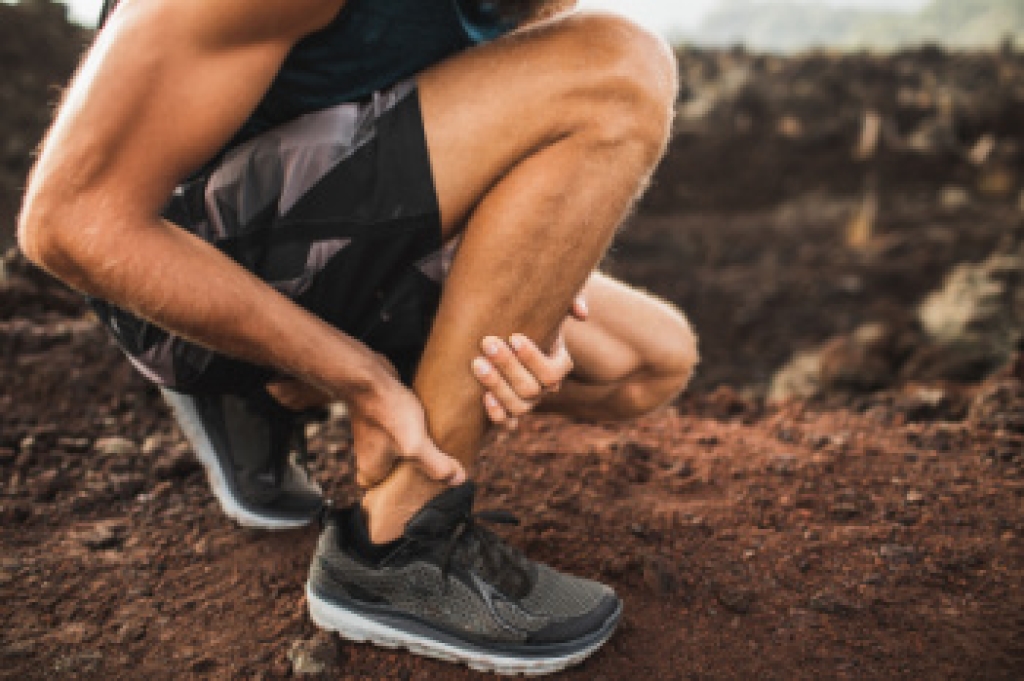
Achilles tendon pain in runners often results from repeated stress on the tendon due to overtraining, poor running form, or wearing unsuitable footwear. Factors such as running on uneven surfaces, failing to warm up, or training with tight calf muscles can place added strain on the Achilles tendon where it attaches to the heel. Pain may begin as a mild discomfort after running, and progress to more constant pain with thickening of the tendon. Without proper medical attention, the tissue can become scarred, reducing flexibility and increasing the risk of further damage. Runners who place uneven pressure on one side of the foot or rely heavily on the forefoot when running are also more likely to develop this condition. A podiatrist can evaluate the structure of the foot and ankle, conduct a gait analysis, and assess tendon involvement through diagnostic imaging. In serious cases, surgery may be required to remove damaged tissue or repair the tendon. If you experience Achilles tendon pain from running, it is suggested that you schedule an appointment with a podiatrist for an exam, diagnosis, and appropriate treatment.

Achilles tendon injuries need immediate attention to avoid future complications. If you have any concerns, contact Genine Befumo, DPM of University Foot and Ankle Center, L.L.C. Our doctor can provide the care you need to keep you pain-free and on your feet.

What Is the Achilles Tendon?

The Achilles tendon is a tendon that connects the lower leg muscles and calf to the heel of the foot. It is the strongest tendon in the human body and is essential for making movement possible. Because this tendon is such an integral part of the body, any injuries to it can create immense difficulties and should immediately be presented to a doctor.

What Are the Symptoms of an Achilles Tendon Injury?

There are various types of injuries that can affect the Achilles tendon. The two most common injuries are Achilles tendinitis and ruptures of the tendon.

Achilles Tendinitis Symptoms

  • Inflammation
  • Dull to severe pain
  • Increased blood flow to the tendon
  • Thickening of the tendon

Rupture Symptoms

  • Extreme pain and swelling in the foot
  • Total immobility

Treatment and Prevention

Achilles tendon injuries are diagnosed by a thorough physical evaluation, which can include an MRI. Treatment involves rest, physical therapy, and in some cases, surgery. However, various preventative measures can be taken to avoid these injuries, such as:

  • Thorough stretching of the tendon before and after exercise
  • Strengthening exercises like calf raises, squats, leg curls, leg extensions, leg raises, lunges, and leg presses

If you have any questions please feel free to contact our office located in Monroe Township, NJ . We offer the newest diagnostic tools and technology to treat your foot and ankle needs.

Read more about The Causes, Types, and Treatments of Achilles Tendon Injuries

It's Time for Beautiful Feet

You don't need an excuse to have beautiful nails. Step outside without worrying about the appearance of your feet.

Causes of Arch Pain

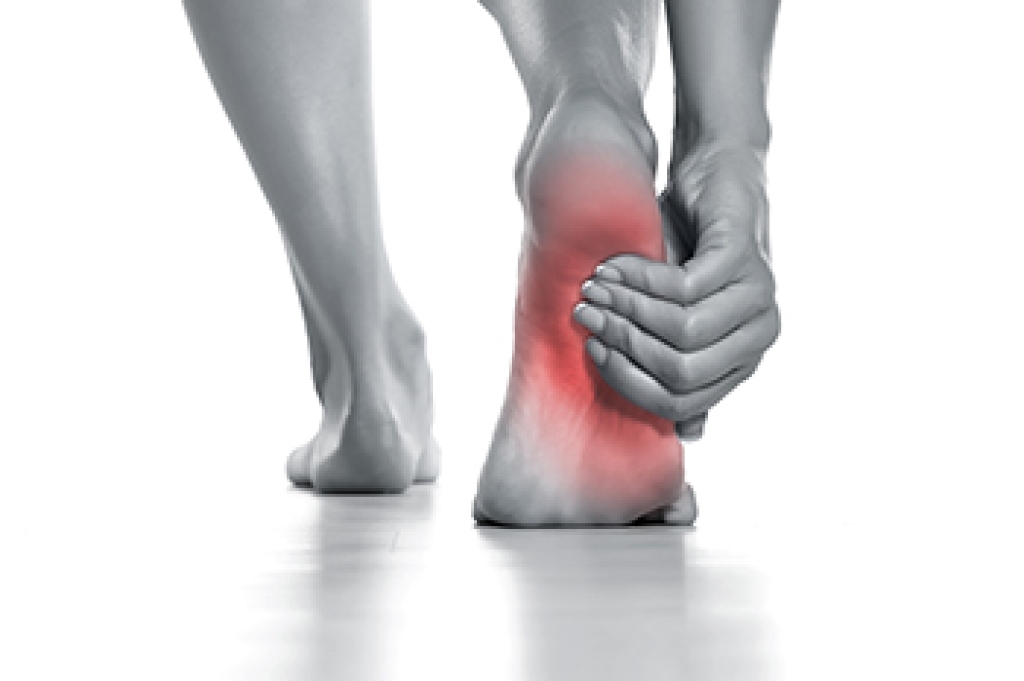
Arch pain can affect people of all activity levels. The arch of the foot supports body weight, absorbs impact, and helps stabilize movement. Pain in this area may be linked to plantar fasciitis, the most common cause, where the ligament connecting the heel to the toes becomes inflamed from overuse or strain. Another cause of arch pain is posterior tibial tendon dysfunction, which occurs when the tendon that supports the arch weakens or becomes injured. Cavus foot, a condition involving unusually high arches, may lead to instability and pressure-related discomfort. Overpronation, where the foot rolls inward excessively while walking, can also place undue stress on the arch and nearby joints. Risk factors such as weight gain, aging, and repetitive stress on the feet may contribute to these conditions. Arch pain is sometimes felt in the heel, ball of the foot, or ankle, and may worsen during or after standing or walking. If you have pain in the arch of your foot, it is suggested that you schedule an appointment with a podiatrist for an exam and appropriate treatment.

Foot Pain

Foot pain can be extremely painful and debilitating. If you have a foot pain, consult with Genine Befumo, DPM from University Foot and Ankle Center, L.L.C. Our doctor will assess your condition and provide you with quality foot and ankle treatment.

Causes

Foot pain is a very broad condition that could be caused by one or more ailments. The most common include:

  • Bunions
  • Hammertoes
  • Plantar Fasciitis
  • Bone Spurs
  • Corns
  • Tarsal Tunnel Syndrome
  • Ingrown Toenails
  • Arthritis (such as Gout, Rheumatoid, and Osteoarthritis)
  • Flat Feet
  • Injury (from stress fractures, broken toe, foot, ankle, Achilles tendon ruptures, and sprains)
  • And more

Diagnosis

To figure out the cause of foot pain, podiatrists utilize several different methods. This can range from simple visual inspections and sensation tests to X-rays and MRI scans. Prior medical history, family medical history, and any recent physical traumatic events will all be taken into consideration for a proper diagnosis.

Treatment

Treatment depends upon the cause of the foot pain. Whether it is resting, staying off the foot, or having surgery; podiatrists have a number of treatment options available for foot pain.

If you have any questions, please feel free to contact our office located in Monroe Township, NJ . We offer the newest diagnostic and treatment technologies for all your foot care needs.
Read more about Foot Pain
Connect with us

our recent articles