Blog

Causes and Risk Factors for Cracked Heels

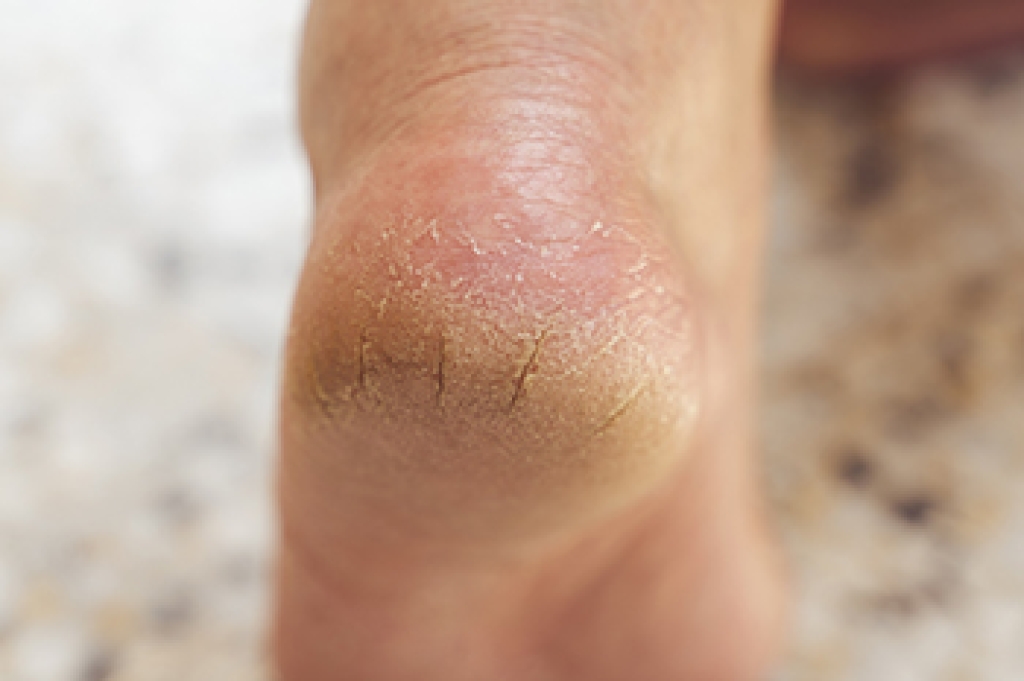
Cracked heels, also known as heel fissures, are a common foot condition where the skin on the heels becomes dry, thickened, and cracked. This condition often causes pain and discomfort, especially when walking or standing for long periods. The main symptoms include visible cracks in the skin, redness, and in severe cases, bleeding or infection. Cracked heels are primarily caused by dryness, which can occur due to exposure to cold weather, hot showers, or standing for long periods of time. Other contributing factors include wearing open-back shoes, obesity, or having certain medical conditions such as diabetes or eczema. Risk factors also include inadequate foot care, using harsh soaps, and being on your feet for long durations. To prevent cracked heels, it is important to moisturize regularly, wear proper footwear, and avoid long exposure to dry conditions. If cracks are deep or painful, it is suggested that you consult a podiatrist who can prescribe medication for relief and other effective treatment.

Cracked heels are unsightly and can cause further damage to your shoes and feet. If you have any concerns, contact Genine Befumo, DPM from University Foot and Ankle Center, L.L.C. Our doctor can provide the care you need to keep you pain-free and on your feet.

Cracked Heels

Cracked heels appear unappealing and can make it harder for you walk around in sandals. Aside from looking unpleasant, cracked heels can also tear stockings, socks, and wear out your shoes. There are several methods to help restore a cracked heel and prevent further damage.

How Do You Get Them?

Dry skin is the number one culprit in creating cracked heels. Many athletes, walkers, joggers, and even swimmers suffer from cracked heels. Age and skin oil production play a role to getting cracked heels as well.

Promote Healing

Over the counter medicines can help, especially for those that need instant relief or who suffer from chronic dry feet.

Wear Socks – Wearing socks with medicated creams helps lock in moisture.

Moisturizers – Applying both day and night will help alleviate dryness which causes cracking.

Pumice Stones – These exfoliate and remove dead skin, which allows for smoother moisturizer application and better absorption into the skin. 

Change in Diet

Eating healthy with a well-balanced diet will give the skin a fresh and radiant look. Your body responds to the kinds of food you ingest. Omega-3 fatty acids and zinc supplements can also revitalize skin tissue.

Most importantly, seek professional help if unsure how to proceed in treating cracked heels. A podiatrist will help you with any questions or information needed. 

If you have any questions, please feel free to contact our office located in Monroe Township, NJ . We offer the newest diagnostic and treatment technologies for all your foot care needs.

Read more about Solutions for Cracked Heels

Understanding the Causes of Toe Pain

Toe pain can occur for several reasons including underlying medical conditions or injuries. One common cause is arthritis, particularly osteoarthritis or rheumatoid arthritis, which leads to inflammation and stiffness in the toe joints. This can result in pain, swelling, and difficulty moving the toes. Injuries, such as sprains, fractures, or bruises, can also cause toe pain, often accompanied by swelling, bruising, and tenderness. Additionally, nerve problems like neuropathy can contribute to toe pain. Nerve damage can cause sensations of tingling, burning, or sharp pain and is commonly associated with conditions like diabetes. Another common cause of toe pain is bunions, which occur when the joint at the base of the big toe becomes misaligned. Other conditions, such as gout, hammertoes, and ingrown toenails can lead to toe discomfort. If you are experiencing toe pain, it is suggested that you consult a podiatrist who can determine the cause and offer viable treatment solutions.

Toe pain can disrupt your daily activities. If you have any concerns, contact Genine Befumo, DPM of University Foot and Ankle Center, L.L.C. Our doctor can provide the care you need to keep you pain-free and on your feet.

What Causes Toe Pain?

Most severe toe pain is caused due to a sports injury, trauma from dropping something heavy on the toe, or bumping into something rigid. Other problems can develop over time for various reasons.

Toe pain can be caused by one or more ailments. The most common include:

  • Trauma
  • Sports injury
  • Wearing shoes that are too tight
  • Arthritis
  • Gout
  • Corns and calluses
  • Hammertoe
  • Bunions
  • Blisters
  • Ingrown toenails
  • Sprains
  • Fractures (broken bones)
  • Dislocations

When to See a Podiatrist

  • Severe pain
  • Persistent pain that lasts more than a week
  • Signs of infection
  • Continued swelling
  • Pain that prevents walking

Diagnosis

In many cases the cause of toe pain is obvious, but in others, a podiatrist may want to use more advanced methods to determine the problem. These can range from simple visual inspections and sensation tests to X-rays and MRI scans. Prior medical history, family medical history, and any recent physical traumatic events will all be taken into consideration for a proper diagnosis.

Treatment

Treatments for toe pain and injuries vary and may include shoe inserts, padding, taping, medicines, injections, and in some cases, surgery. If you believe that you have broken a toe, please see a podiatrist as soon as possible.

If you have any questions please contact our office located in Monroe Township, NJ . We offer the newest diagnostic and treatment technologies for all your foot and ankle needs.

Read more about Toe Pain

Symptoms of Toenail Fungus

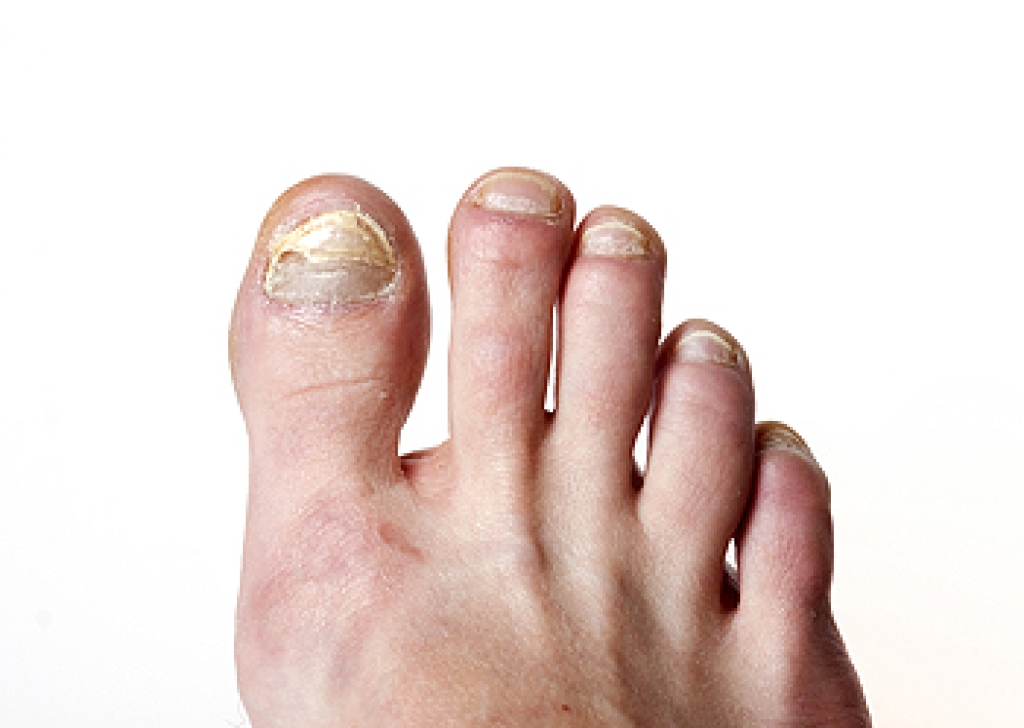
Toenail fungus is a common condition caused by fungi that thrive on the dead tissue of nails and outer layers of skin. It often starts from a fungal infection on the feet and is more common in toenails, particularly in older adults. People with diabetes, peripheral vascular disease, or weakened immune systems are at a higher risk, as are those who wear tight or non-breathable footwear. Symptoms of toenail fungus include thickened, brittle nails, white or yellow streaks, crumbling edges, and debris trapped beneath the nail. A podiatrist can provide an accurate diagnosis through a nail examination and laboratory tests to identify the type of fungus. Treatment options offered by a podiatrist may include prescription antifungal medications, laser therapy to target the fungus, or in severe cases removal of the affected nail. These treatments aim to eliminate the infection, which may take some time, and promote the growth of healthy nails. If you have developed toenail fungus, it is suggested that you schedule an appointment with a podiatrist for appropriate treatment.

For more information about treatment, contact Genine Befumo, DPM of University Foot and Ankle Center, L.L.C. Our doctor can provide the care you need to keep you pain-free and on your feet.

Toenail Fungus Treatment

Toenail fungus is a condition that affects many people and can be especially hard to get rid of. Fortunately, there are several methods to go about treating and avoiding it.

Antifungals & Deterrence

Oral antifungal medicine has been shown to be effective in many cases. It is important to consult with a podiatrist to determine the proper regiment for you, or potentially explore other options.

Applying foot powder on the feet and shoes helps keep the feet free of moisture and sweat.

Sandals or open toed shoes – Wearing these will allow air movement and help keep feet dry. They also expose your feet to light, which fungus cannot tolerate. Socks with moisture wicking material also help as well.

If you have any questions please contact our office located in Monroe Township, NJ . We offer the newest diagnostic and treatment technologies for all your foot and ankle needs.

Read more about Treating Toenail Fungus

Gout Pain Can Be Managed

Gout is a painful, inflammatory form of arthritis. Those affected will typically feel an intense stiffness in the joints of their feet, particularly in the big toe. Schedule a visit to learn about how gout can be managed and treated.

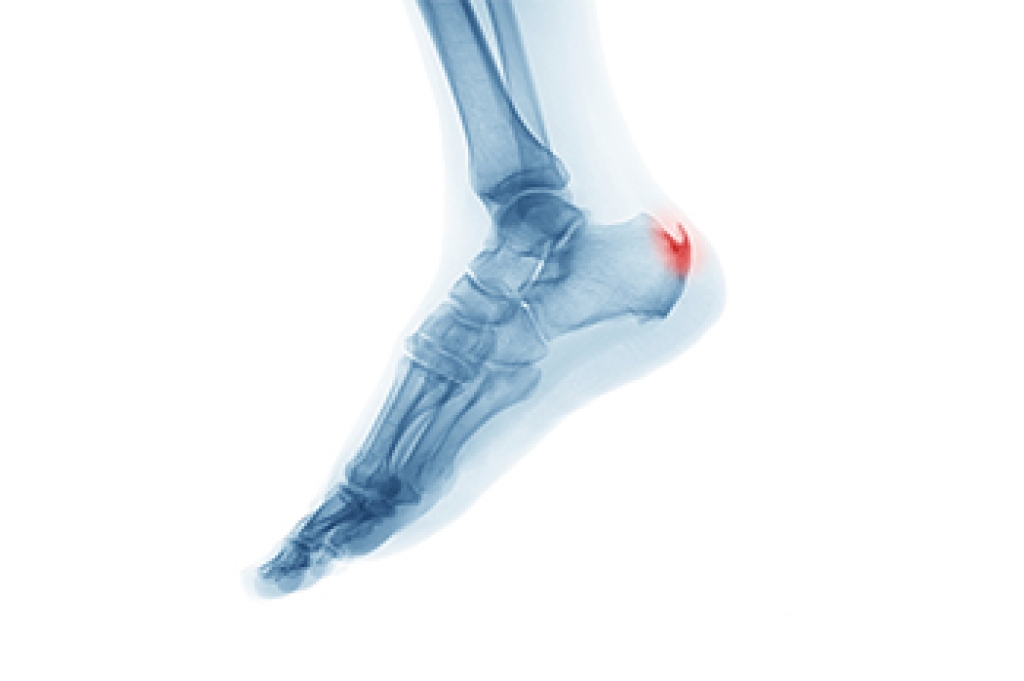
Heel Spurs and Their Causes

A plantar calcaneal spur, commonly known as a heel spur, is a bony growth that forms on the underside of the heel bone. A heel spur typically develops as a result of repetitive stress and strain on the foot, often linked to activities that involve high-impact movements like running or jumping. Prolonged standing, obesity, poor footwear, or abnormalities in foot structure such as flat feet or high arches can also lead to heel spurs. Over time, this pressure can cause the tissues on the bottom of the foot, particularly the plantar fascia, to pull away from the heel bone. This strain triggers bone formation as the body attempts to repair the area, leading to the growth of a spur. While the spur itself may not always cause pain, it can irritate surrounding tissues, resulting in discomfort or inflammation. If you have a heel spur, it is strongly suggested that you promptly contact a podiatrist. 

Heel spurs can be incredibly painful and sometimes may make you unable to participate in physical activities. To get medical care for your heel spurs, contact Genine Befumo, DPM from University Foot and Ankle Center, L.L.C. Our doctor will do everything possible to treat your condition.

Heels Spurs

Heel spurs are formed by calcium deposits on the back of the foot where the heel is. This can also be caused by small fragments of bone breaking off one section of the foot, attaching onto the back of the foot. Heel spurs can also be bone growth on the back of the foot and may grow in the direction of the arch of the foot.

Older individuals usually suffer from heel spurs and pain sometimes intensifies with age. One of the main condition's spurs are related to is plantar fasciitis.

Pain

The pain associated with spurs is often because of weight placed on the feet. When someone is walking, their entire weight is concentrated on the feet. Bone spurs then have the tendency to affect other bones and tissues around the foot. As the pain continues, the feet will become tender and sensitive over time.

Treatments

There are many ways to treat heel spurs. If one is suffering from heel spurs in conjunction with pain, there are several methods for healing. Medication, surgery, and herbal care are some options.

If you have any questions, please feel free to contact our office located in Monroe Township, NJ . We offer the newest diagnostic and treatment technologies for all your foot care needs.

Read more about How to Treat Heel Spurs
Connect with us

our recent articles