Blog

Plantar Warts and What You Need to Know

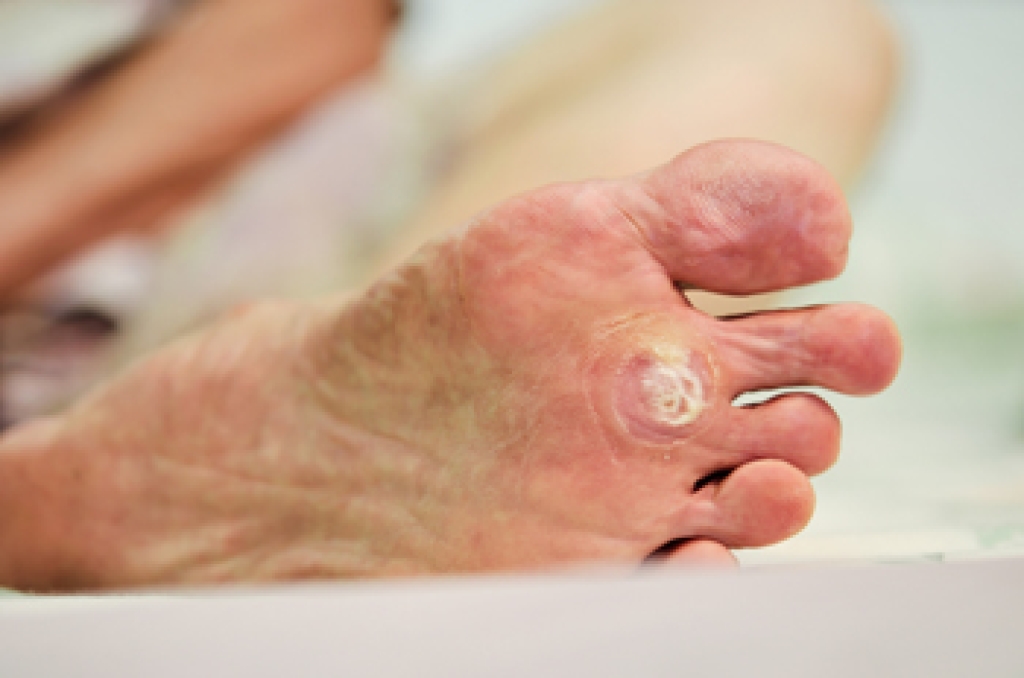
Plantar warts are skin growths that develop on the bottom of the foot due to infection with the human papillomavirus, or HPV. The virus enters through small cuts or weakened areas of skin and causes thickened lesions to form. These warts are often painful because they grow on weight-bearing areas such as the heel, where pressure from walking and standing forces them inward. Symptoms may include a rough circular patch of thick skin, tiny dark spots within the lesion, tenderness, and discomfort during daily activities. Risk factors include walking barefoot in public areas, excessive moisture, and a weakened immune system. If you have developed a plantar wart, it is suggested that you promptly consult a podiatrist who can provide an accurate diagnosis and effective relief and treatment techniques.

Plantar warts can be very uncomfortable. If you need your feet checked, contact Genine Befumo, DPM from University Foot and Ankle Center, L.L.C. Our doctor will assist you with all of your foot and ankle needs.

About Plantar Warts

Plantar warts are the result of HPV, or human papillomavirus, getting into open wounds on the feet. They are mostly found on the heels or balls of the feet.

While plantar warts are generally harmless, those experiencing excessive pain or those suffering from diabetes or a compromised immune system require immediate medical care. Plantar warts are easily diagnosed, usually through scraping off a bit of rough skin or by getting a biopsy.

Symptoms

  • Lesions on the bottom of your feet, usually rough and grainy
  • Hard or thick callused spots
  • Wart seeds, which are small clotted blood vessels that look like little black spots
  • Pain, discomfort, or tenderness of your feet when walking or standing

Treatment

  • Freezing
  • Electric tool removal
  • Laser Treatment
  • Topical Creams (prescription only)
  • Over-the-counter medications

To help prevent developing plantar warts, avoid walking barefoot over abrasive surfaces that can cause cuts or wounds for HPV to get into. Avoiding direct contact with other warts, as well as not picking or rubbing existing warts, can help prevent the further spread of plantar warts. However, if you think you have developed plantar warts, speak to your podiatrist. He or she can diagnose the warts on your feet and recommend the appropriate treatment options.

If you have any questions, please feel free to contact our office located in Monroe Township, NJ . We offer the newest diagnostic and treatment technologies for all your foot care needs.
Read more about What Are Plantar Warts?

Foot Anatomy and Its Role in Long-Distance Running

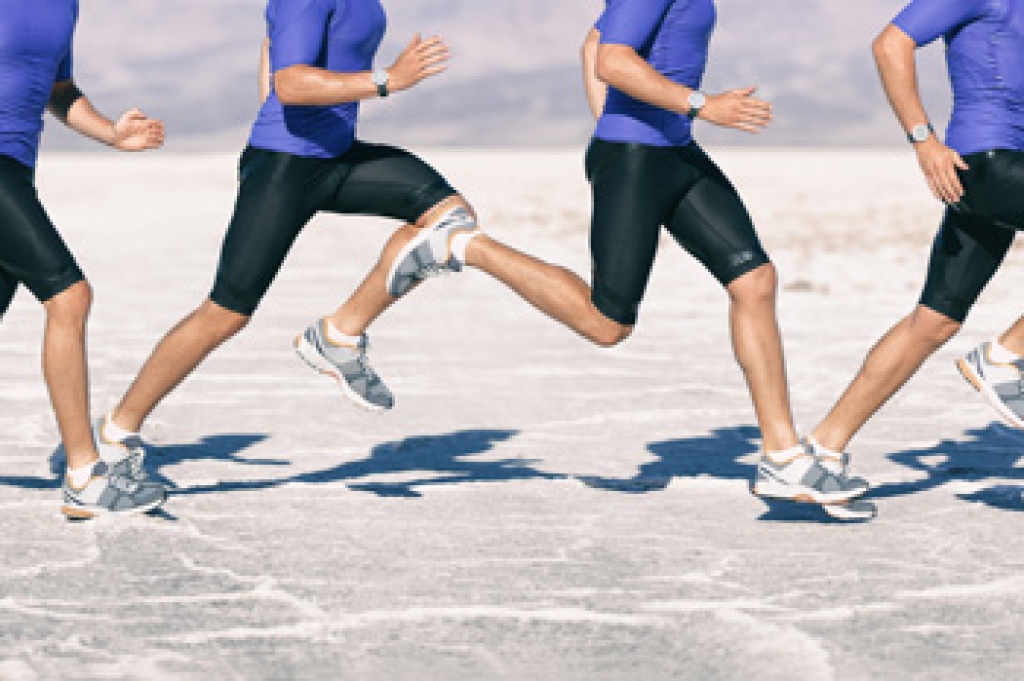
During long-distance running, foot anatomy plays a critical role in efficiency, balance, and injury prevention. The gait cycle places repeated stress on the foot as it absorbs impact and propels the body forward. Intrinsic muscles within the foot provide stability, arch support, and fine control, while extrinsic muscles originating in the leg generate power and guide motion. When these systems are overworked or imbalanced, running injuries like tendinitis and stress reactions may develop. Poor mechanics can increase strain on bones, muscles, and connective tissues, over time. A podiatrist can analyze running gait, identify biomechanical faults, and recommend custom orthotics, footwear guidance, and other targeted treatments. If you have foot pain from running, it is suggested that you consult a podiatrist who can offer effective treatment and prevention tips.

If you have any concerns about your feet, contact Genine Befumo, DPM from University Foot and Ankle Center, L.L.C. Our doctor can provide the care you need to keep you pain-free and on your feet.

Biomechanics in Podiatry

Podiatric biomechanics is a particular sector of specialty podiatry with licensed practitioners who are trained to diagnose and treat conditions affecting the foot, ankle and lower leg. Biomechanics deals with the forces that act against the body, causing an interference with the biological structures. It focuses on the movement of the ankle, the foot and the forces that interact with them.

A History of Biomechanics

  • Biomechanics dates back to the BC era in Egypt where evidence of professional foot care has been recorded.
  • In 1974, biomechanics gained a higher profile from the studies of Merton Root, who claimed that by changing or controlling the forces between the ankle and the foot, corrections or conditions could be implemented to gain strength and coordination in the area.

Modern technological improvements are based on past theories and therapeutic processes that provide a better understanding of podiatric concepts for biomechanics. Computers can provide accurate information about the forces and patterns of the feet and lower legs.

Understanding biomechanics of the feet can help improve and eliminate pain, stopping further stress to the foot.

If you have any questions please feel free to contact our office located in Monroe Township, NJ . We offer the newest diagnostic and treatment technologies for all your foot and ankle needs.

Read more about The Importance of Biomechanics in Podiatry

When Ingrown Toenail Surgery Brings Lasting Relief

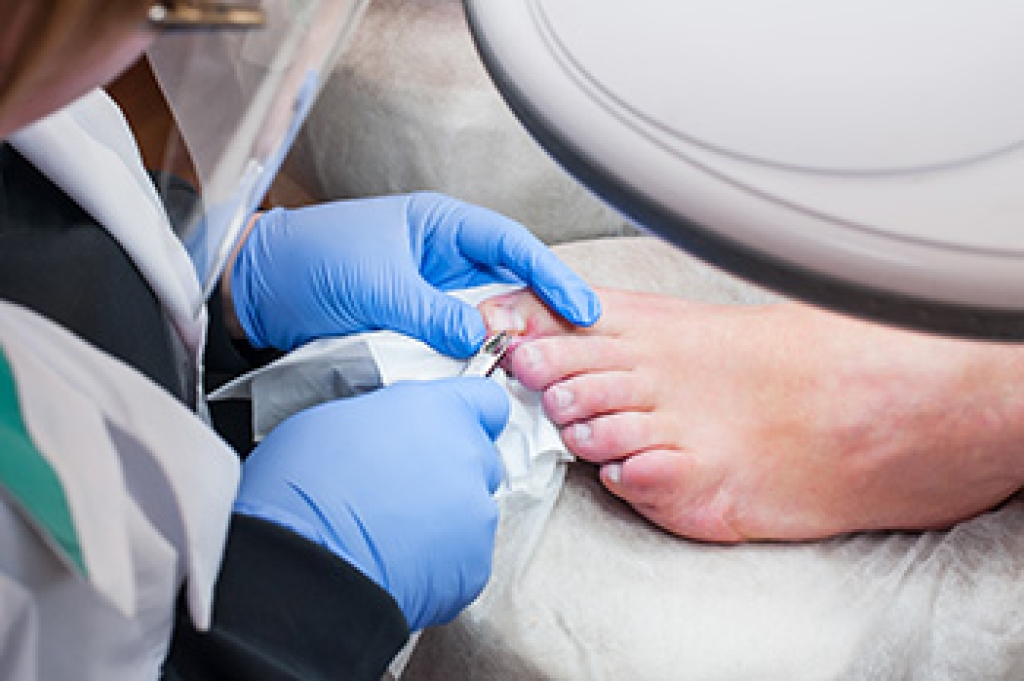
Ingrown toenails occur when the edge of the nail grows into surrounding skin, causing pain, swelling, and redness. Conservative care may help early cases, but ongoing infections or repeated flare-ups often require a minor surgical procedure. Ingrown toenail surgery is performed in the office using local anesthesia. The problematic portion of the nail is carefully removed, and the nail root may be treated to prevent regrowth. This approach reduces pain and lowers the chance of recurrence. Recovery is usually quick, with most patients returning to normal activities within days. Keeping the area clean and following aftercare instructions supports proper healing. If an ingrown toenail keeps returning, becomes infected, or interferes with daily comfort, it is suggested that you see a podiatrist for a proper diagnosis and appropriate treatment, which may include minor surgery.

Foot surgery is sometimes necessary to treat a foot ailment. To learn more, contact Genine Befumo, DPM of University Foot and Ankle Center, L.L.C. Our doctor will assist you with all of your foot and ankle needs.

When Is Surgery Necessary?

Foot and ankle surgery is generally reserved for cases in which less invasive, conservative procedures have failed to alleviate the problem. Some of the cases in which surgery may be necessary include:

  • Removing foot deformities like bunions and bone spurs
  • Severe arthritis that has caused bone issues
  • Cosmetic reconstruction

What Types of Surgery Are There?

The type of surgery you receive will depend on the nature of the problem you have. Some of the possible surgeries include:

  • Bunionectomy for painful bunions
  • Surgical fusion for realignment of bones
  • Neuropathy decompression surgery to treat nerve damage

Benefits of Surgery

Although surgery is usually a last resort, it can provide more complete pain relief compared to non-surgical methods and may allow you to finally resume full activity.

Surgical techniques have also become increasingly sophisticated. Techniques like endoscopic surgery allow for smaller incisions and faster recovery times.

If you have any questions, please feel free to contact our office located in Monroe Township, NJ . We offer the newest diagnostic and treatment technologies for all your foot care needs.

Read more about Foot and Ankle Surgery

Plantar Warts Can Be Treated!

Plantar warts are small growths that develop on parts of the feet that bear weight. They're typically found on the bottom of the foot. Don't live with plantar warts, and call us today!

Athlete's Foot and How It Affects Skin Health

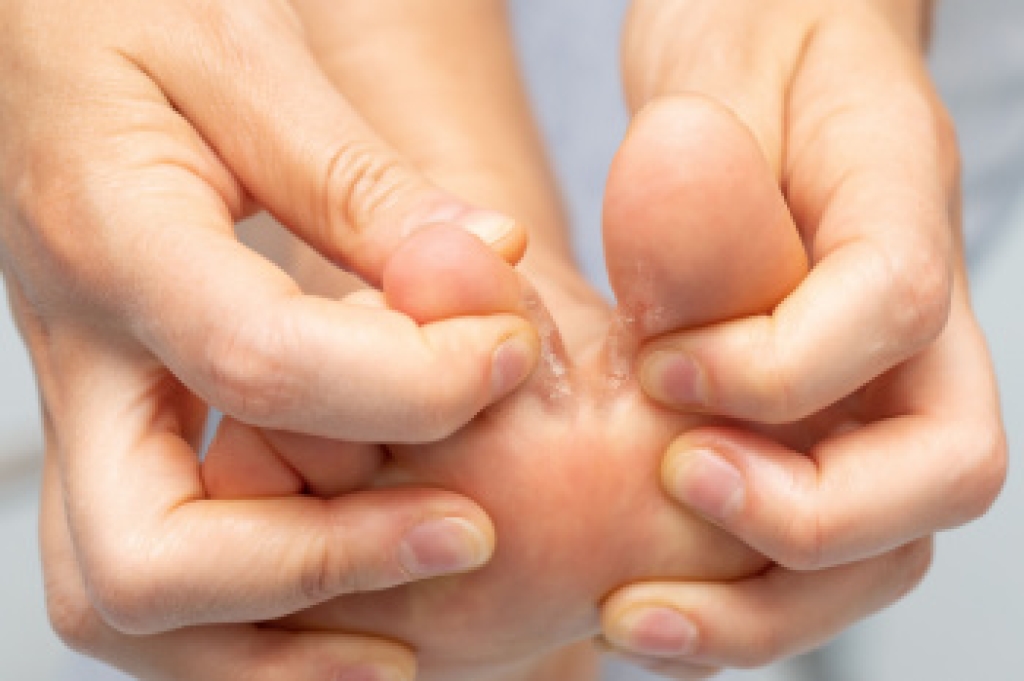
Athlete's foot, also known as tinea pedis, is a common fungal infection that affects the skin of the feet. It often begins between the toes and may cause itching, redness, scaling, burning, or cracking skin. Warm, damp environments like sweaty shoes and locker rooms allow fungus to thrive and spread easily. Symptoms of athlete’s foot can return if the infection is not fully cleared. Persistent moisture, skin breaks, and weakened immunity can increase risk. Proper foot hygiene, drying the feet thoroughly, and wearing breathable footwear help reduce recurrence. Untreated infections can spread to the nails or other areas of the foot. If you suspect you have persistent athlete’s foot, it is suggested that you see a podiatrist who can confirm the diagnosis and prescribe appropriate treatment, which may include prescription topical or oral medication. 

Athlete’s foot is an inconvenient condition that can be easily reduced with the proper treatment. If you have any concerns about your feet and ankles, contact Genine Befumo, DPM from University Foot and Ankle Center, L.L.C.  Our doctor will treat your foot and ankle needs.

Athlete’s Foot: The Sole Story

Athlete's foot, also known as tinea pedis, can be an extremely contagious foot infection. It is commonly contracted in public changing areas and bathrooms, dormitory style living quarters, around locker rooms and public swimming pools, or anywhere your feet often come into contact with other people.

Solutions to Combat Athlete’s Foot

  • Hydrate your feet by using lotion
  • Exfoliate
  • Buff off nails
  • Use of anti-fungal products
  • Examine your feet and visit your doctor if any suspicious blisters or cuts develop

Athlete’s foot can cause many irritating symptoms such as dry and flaking skin, itching, and redness. Some more severe symptoms can include bleeding and cracked skin, intense itching and burning, and even pain when walking. In the worst cases, Athlete’s foot can cause blistering as well. Speak to your podiatrist for a better understanding of the different causes of Athlete’s foot, as well as help in determining which treatment options are best for you.

If you have any questions please feel free to contact our office located in Monroe Township, NJ . We offer the newest diagnostic and treatment technologies for all your foot and ankle needs.

Read more about Athlete’s Foot
Connect with us

our recent articles