

Blog

Foot Care Tips for Preventing Cracked Heels

Cracked heels can be both painful and unsightly, but with proper foot care they are largely preventable. Begin by keeping your feet clean and moisturized. Regularly washing your feet with mild soap and drying them thoroughly helps prevent bacterial and fungal infections that can worsen heel cracks. Moisturize your feet daily, focusing on the heels, with a rich foot cream or moisturizer containing ingredients like urea or glycerin to hydrate and soften the skin. Exfoliating your heels weekly with a pumice stone or foot scrub helps remove dead skin cells and prevents the buildup of thick, dry patches. Wear properly fitting shoes with adequate support to reduce friction and pressure on the heels, and avoid walking barefoot, especially on hard surfaces. Finally, stay hydrated and maintain a balanced diet rich in vitamins and minerals to promote overall skin health. Cracked heels can be an uncomfortable foot condition, and if you have developed this ailment, it is suggested that you seek the help of a podiatrist. This type of doctor can effectively treat cracked heels and offer additional prevention techniques.

If the skin on your feet starts to crack, you may want to see a podiatrist to find treatment. If you have any concerns, contact Genine Befumo, DPM from University Foot and Ankle Center, L.L.C. Our doctor can provide the care you need to keep you pain-free and on your feet.

Cracked Heels

It is important to moisturize your cracked heels in order to prevent pain, bleeding, and infection. The reason cracked heels form is because the skin on the foot is too dry to support the immense pressure placed on them. When the foot expands, the dry skin on the foot begins to split.

Ways to Help Heal Them

  • Invest in a good foot cream
  • Try Using Petroleum Jelly
  • Ease up on Soaps
  • Drink Plenty of Water

Ways to Prevent Cracked Heels

  • Moisturize After Showering
  • Skip a Shower
  • Keep Shower Water Lukewarm
  • Don’t Scrub Your Feet

If you are unsure how to proceed in treating cracked heels, seek guidance from a podiatrist. Your doctor will help you with any questions or information you may need. 

If you have any questions, please feel free to contact our office located in Monroe Township, NJ . We offer the newest diagnostic and treatment technologies for all your foot care needs.

Read more about Solutions for Cracked Heels

Causes of Foot Pain at Night

Foot pain at night can disrupt your sleep and affect your overall quality of life, leaving you restless and uncomfortable. Understanding the underlying causes is crucial for finding relief and improving your well-being. One common culprit is plantar fasciitis, characterized by inflammation of the tissue connecting the heel to the toes. This condition often leads to sharp, stabbing pain in the heel or arch, particularly when getting out of bed in the morning or after long periods of rest. Another potential cause is neuropathy, a nerve disorder that can result from conditions like diabetes or vitamin deficiencies. Neuropathic pain may present as burning, tingling, or shooting sensations in the feet, worsening at night when lying down. Additionally, arthritis, stress fractures, and overuse injuries can contribute to nocturnal foot pain. Identifying the specific cause through proper diagnosis by a healthcare professional is essential for implementing targeted treatment strategies and finding relief from nighttime foot discomfort. If you have foot pain at night, it is suggested that you make an appointment with a podiatrist for care.

Foot Pain

Foot pain can be extremely painful and debilitating. If you have a foot pain, consult with Genine Befumo, DPM from University Foot and Ankle Center, L.L.C. Our doctor will assess your condition and provide you with quality foot and ankle treatment.

Causes

Foot pain is a very broad condition that could be caused by one or more ailments. The most common include:

  • Bunions
  • Hammertoes
  • Plantar Fasciitis
  • Bone Spurs
  • Corns
  • Tarsal Tunnel Syndrome
  • Ingrown Toenails
  • Arthritis (such as Gout, Rheumatoid, and Osteoarthritis)
  • Flat Feet
  • Injury (from stress fractures, broken toe, foot, ankle, Achilles tendon ruptures, and sprains)
  • And more

Diagnosis

To figure out the cause of foot pain, podiatrists utilize several different methods. This can range from simple visual inspections and sensation tests to X-rays and MRI scans. Prior medical history, family medical history, and any recent physical traumatic events will all be taken into consideration for a proper diagnosis.

Treatment

Treatment depends upon the cause of the foot pain. Whether it is resting, staying off the foot, or having surgery; podiatrists have a number of treatment options available for foot pain.

If you have any questions, please feel free to contact our office located in Monroe Township, NJ . We offer the newest diagnostic and treatment technologies for all your foot care needs.

Read more about Foot Pain

Exploring Gout in the Elderly

Gout, a form of arthritis, presents unique challenges for elderly individuals, necessitating a deeper understanding of its intricacies. Characterized by sudden and severe joint pain, typically in the big toe, gout occurs due to the accumulation of urate crystals in the joints. While gout can affect anyone, its prevalence increases with age, making it a prevalent concern among the elderly population. Various factors contribute to gout development in older adults, including age-related changes in metabolism, chronic health conditions like hypertension and kidney disease, and certain medications commonly prescribed to manage age-related ailments. Dietary habits, particularly rich diets high in purine-containing foods like red meat and seafood, also play a significant role in gout onset and exacerbation. Proper management of gout in the elderly involves a varied approach, encompassing lifestyle modifications, medication adherence, and close monitoring to alleviate symptoms. If you are an elderly person who has had one or more gout attacks, it is suggested that you consult a podiatrist who can help you to manage this condition.

Gout is a painful condition that can be treated. If you are seeking treatment, contact Genine Befumo, DPM from University Foot and Ankle Center, L.L.C. Our doctor will treat your foot and ankle needs.

What Is Gout?

Gout is a form of arthritis that is characterized by sudden, severe attacks of pain, redness, and tenderness in the joints. The condition usually affects the joint at the base of the big toe. A gout attack can occur at any random time, such as the middle of the night while you are asleep.

Symptoms

  • Intense Joint Pain - Usually around the large joint of your big toe, and it most severe within the first four to twelve hours
  • Lingering Discomfort - Joint discomfort may last from a few days to a few weeks
  • Inflammation and Redness -Affected joints may become swollen, tender, warm and red
  • Limited Range of Motion - May experience a decrease in joint mobility

Risk Factors

  • Genetics - If family members have gout, you’re more likely to have it
  • Medications - Diuretic medications can raise uric acid levels
  • Gender/Age - Gout is more common in men until the age of 60. It is believed that estrogen protects women until that point
  • Diet - Eating red meat and shellfish increases your risk
  • Alcohol - Having more than two alcoholic drinks per day increases your risk
  • Obesity - Obese people are at a higher risk for gout

Prior to visiting your podiatrist to receive treatment for gout, there are a few things you should do beforehand. If you have gout you should write down your symptoms--including when they started and how often you experience them, important medical information you may have, and any questions you may have. Writing down these three things will help your podiatrist in assessing your specific situation so that he or she may provide the best route of treatment for you.

If you have any questions, please feel free to contact our office located in Monroe Township, NJ . We offer the newest diagnostic and treatment technologies for all your foot care needs.
Read more about Gout

Plantar Warts Can Be Treated!

Plantar warts are small growths that develop on parts of the feet that bear weight. They're typically found on the bottom of the foot. Don't live with plantar warts, and call us today!

Distinguishing Between High and Low Ankle Sprains

Understanding the variance between high and low ankle sprains is vital for accurate diagnosis and appropriate treatment. Low ankle sprains, commonly known as lateral ankle sprains, affect the ligaments on the outside of the ankle and are prevalent in sudden twists or rolls of the foot. Conversely, high ankle sprains, medically termed syndesmotic sprains, occur when the ligaments connecting the tibia and fibula bones above the ankle joint are stretched or torn. While both injuries cause pain, swelling, and difficulty bearing weight, high ankle sprains typically involve pain above the ankle and are associated with a longer recovery period. Moreover, high ankle sprains often result from more forceful rotational movements, such as those seen in sports like football or skiing. If you have sprained your ankle, it is suggested that you confer with a podiatrist who can determine what type of sprain it is, and offer appropriate treatment solutions.

Ankle sprains are common but need immediate attention. If you need your feet checked, contact Genine Befumo, DPM from University Foot and Ankle Center, L.L.C. Our doctor can provide the care you need to keep you pain-free and on your feet.

How Does an Ankle Sprain Occur?

Ankle sprains take place when the ligaments in your ankle are torn or stretched beyond their limits. There are multiple ways that the ankle can become injured, including twisting or rolling over onto your ankle, putting undue stress on it, or causing trauma to the ankle itself.

What Are the Symptoms?

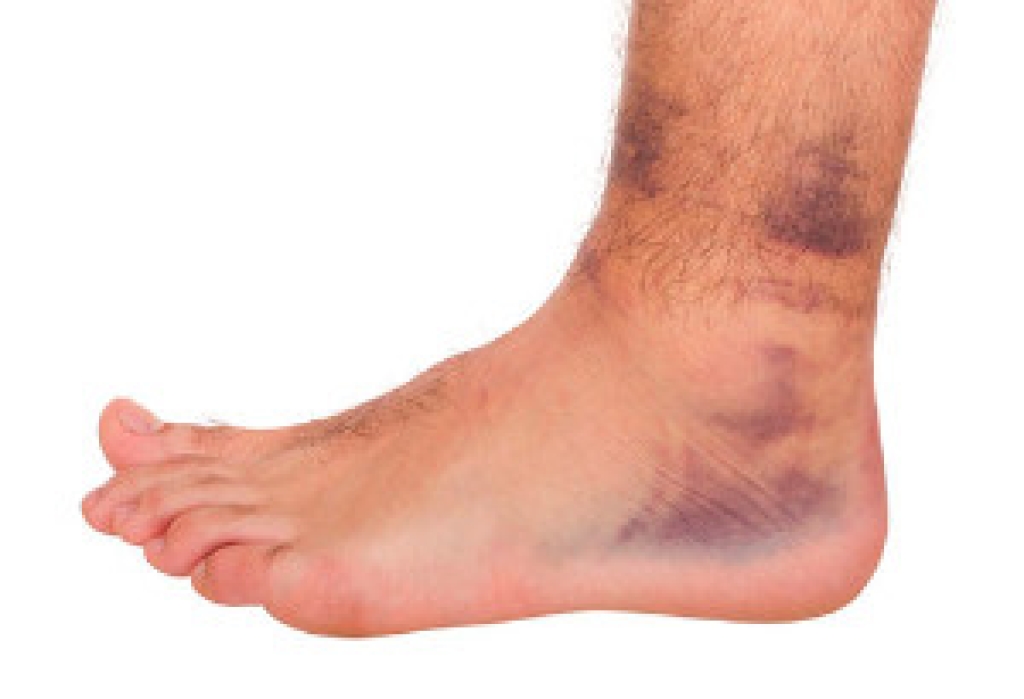
  • Mild to moderate bruising
  • Limited mobility
  • Swelling
  • Discoloration of the skin (depending on severity)

Preventing a Sprain

  • Wearing appropriate shoes for the occasion
  • Stretching before exercises and sports
  • Knowing your limits

Treatment of a Sprain

Treatment of a sprain depends on the severity.  Many times, people are told to rest and remain off their feet completely, while others are given an air cast. If the sprain is very severe, surgery may be required.

If you have suffered an ankle sprain previously, you may want to consider additional support such as a brace and regular exercises to strengthen the ankle.

If you have any questions please feel free to contact our office located in Monroe Township, NJ . We offer the newest diagnostic tools and technology to treat your foot and ankle needs.

Read more about Ankle Sprains
Connect with us

our recent articles