

Blog

When Foot Surgery May Be Necessary and What to Expect

Foot surgery may be recommended when conservative treatments fail to relieve pain or restore function. Many conditions, such as bunions, hammertoes, plantar fasciitis, arthritis, or tendon injuries, are first treated with rest, orthotics, medications, or targeted exercises. When these measures do not provide adequate relief, surgical intervention may help correct deformities, reduce pain, and improve mobility. Procedures vary depending on the condition, and may involve realigning bones, repairing soft tissue, or fusing joints. While surgery can be effective, it is not without risks. Possible complications include infection, nerve irritation, prolonged swelling, stiffness, or delayed healing. Recovery time can also vary and may require limited weight-bearing and rehabilitation. Careful evaluation and discussion of options are important before proceeding. If you are experiencing persistent foot pain despite treatment, it is suggested that you see a podiatrist for an evaluation and guidance.

Foot surgery is sometimes necessary to treat a foot ailment. To learn more, contact Genine Befumo, DPM of University Foot and Ankle Center, L.L.C. Our doctor will assist you with all of your foot and ankle needs.

When Is Surgery Necessary?

Foot and ankle surgery is generally reserved for cases in which less invasive, conservative procedures have failed to alleviate the problem. Some of the cases in which surgery may be necessary include:

  • Removing foot deformities like bunions and bone spurs
  • Severe arthritis that has caused bone issues
  • Cosmetic reconstruction

What Types of Surgery Are There?

The type of surgery you receive will depend on the nature of the problem you have. Some of the possible surgeries include:

  • Bunionectomy for painful bunions
  • Surgical fusion for realignment of bones
  • Neuropathy decompression surgery to treat nerve damage

Benefits of Surgery

Although surgery is usually a last resort, it can provide more complete pain relief compared to non-surgical methods and may allow you to finally resume full activity.

Surgical techniques have also become increasingly sophisticated. Techniques like endoscopic surgery allow for smaller incisions and faster recovery times.

If you have any questions, please feel free to contact our office located in Monroe Township, NJ . We offer the newest diagnostic and treatment technologies for all your foot care needs.

Read more about Foot Surgery

What Causes Sudden Toe Pain?

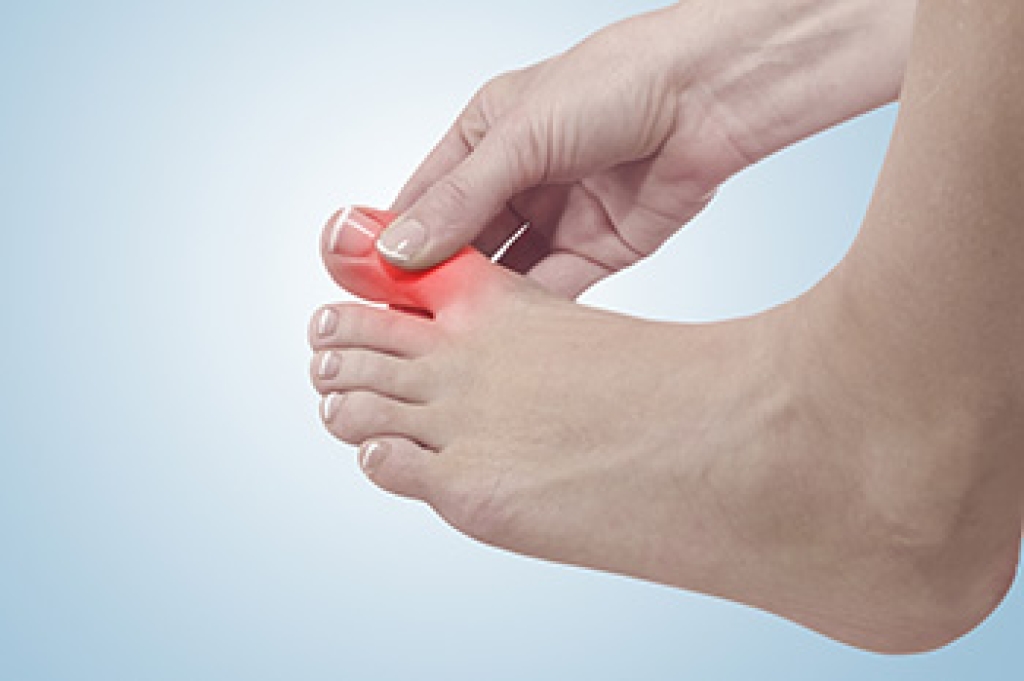
Gout is a painful joint condition that often targets the foot, most commonly at the base of the big toe. It develops when excess uric acid in the body forms crystals that settle in the joint, leading to irritation and inflammation. A gout attack often begins with a rapid onset of pain, swelling, and a deep throbbing sensation that can make walking difficult. The skin over the joint may look red or purplish, and feel warm to the touch. This discomfort can come in waves or flare-ups. Some patients notice stiffness lingering even after the initial pain improves. A podiatrist can assess joint involvement, rule out other causes of foot pain, and guide appropriate care. Treatment includes medication to calm inflammation, recommendations to reduce joint stress, and ongoing management to help limit recurrence. If you experience sudden or recurring toe pain, it is suggested that you schedule an appointment with a podiatrist for appropriate relief and management solutions.

Gout is a painful condition that can be treated. If you are seeking treatment, contact Genine Befumo, DPM from University Foot and Ankle Center, L.L.C. Our doctor will treat your foot and ankle needs.

What Is Gout?

Gout is a form of arthritis that is characterized by sudden, severe attacks of pain, redness, and tenderness in the joints. The condition usually affects the joint at the base of the big toe. A gout attack can occur at any random time, such as the middle of the night while you are asleep.

Symptoms

  • Intense Joint Pain - Usually around the large joint of your big toe, and it most severe within the first four to twelve hours
  • Lingering Discomfort - Joint discomfort may last from a few days to a few weeks
  • Inflammation and Redness -Affected joints may become swollen, tender, warm and red
  • Limited Range of Motion - May experience a decrease in joint mobility

Risk Factors

  • Genetics - If family members have gout, you’re more likely to have it
  • Medications - Diuretic medications can raise uric acid levels
  • Gender/Age - Gout is more common in men until the age of 60. It is believed that estrogen protects women until that point
  • Diet - Eating red meat and shellfish increases your risk
  • Alcohol - Having more than two alcoholic drinks per day increases your risk
  • Obesity - Obese people are at a higher risk for gout

Prior to visiting your podiatrist to receive treatment for gout, there are a few things you should do beforehand. If you have gout you should write down your symptoms--including when they started and how often you experience them, important medical information you may have, and any questions you may have. Writing down these three things will help your podiatrist in assessing your specific situation so that he or she may provide the best route of treatment for you.

If you have any questions, please feel free to contact our office located in Monroe Township, NJ . We offer the newest diagnostic and treatment technologies for all your foot care needs.

Read more about Gout

The Role of a Podiatrist

A podiatrist is a medical specialist dedicated to diagnosing and treating conditions that affect the feet and lower limbs. These foot experts manage a wide range of issues, including hammertoe, bunions, toenail disorders, arthritis, and complications related to diabetes that can impact circulation and nerve health. Because the feet support the entire body, even minor problems can lead to significant discomfort and mobility challenges if left untreated. Podiatrists provide comprehensive care through accurate diagnosis, personalized treatment plans, and preventive strategies to maintain long-term foot health. Their expertise helps patients stay active and avoid more serious complications. If you have foot pain or concerns, it is suggested that you consult a podiatrist who can accurately diagnose and treat foot and ankle conditions. 

If you are experiencing pain in the feet or ankles, don’t join the stubborn majority refusing treatment. Feel free to contact Genine Befumo, DPM from University Foot and Ankle Center, L.L.C. Our doctor can provide the care you need to keep you pain-free and on your feet.

What Is a Podiatrist?

Someone would seek the care of a podiatrist if they have suffered a foot injury or have common foot ailments such as heal spurs, bunions, arch problems, deformities, ingrown toenails, corns, foot and ankle problems, etc.

Podiatric Treatment

A podiatrist will treat the problematic areas of the feet, ankle or lower leg by prescribing the following:

  • Physical therapy
  • Drugs
  • Orthotic inserts or soles
  • Surgery on lower extremity fractures

A common podiatric procedure a podiatrist will use is a scanner or force plate which will allow the podiatrist to know the designs of orthotics. Patients are then told to follow a series of tasks to complete the treatment. The computer will scan the foot a see which areas show weight distribution and pressure points. The podiatrist will read the analysis and then determine which treatment plans are available.

If you have any questions, please feel free to contact our office located in Monroe Township, NJ . We offer the newest diagnostic and treatment technologies for all your foot care needs.

Read more about What is a Podiatrist?

Why Live with Pain and Numbness in Your Feet?

Suffering from this type of pain? You may have the foot condition known as Morton's neuroma. Morton's neuroma may develop as a result of ill-fitting footwear and existing foot deformities. We can help.

Lower Extremity Injuries Linked to Surfing

Surfing places unique demands on the lower extremities, especially during paddling, pop-ups, and balancing on the board. The feet, ankles, and knees must react quickly to shifting waves, which can lead to sprains, strains, and overuse injuries. Cuts and scrapes from the board or ocean floor are also common, and exposure to salt water can slow healing, if not cared for properly. Repeated pressure on the top of the foot while paddling can cause irritation, while sudden twists may lead to ligament injuries in the ankle or knee. Poor footing on a wet board can increase the risk of falls. Wearing proper gear, maintaining strength and flexibility, and cleaning wounds promptly can help reduce these risks. When surfing injuries causing foot or ankle pain, swelling, or skin damage do not improve, seeking evaluation by a podiatrist is suggested to support healing and prevent further problems.

Sports related foot and ankle injuries require proper treatment before players can go back to their regular routines. For more information, contact Genine Befumo, DPM of University Foot and Ankle Center, L.L.C. Our doctor can provide the care you need to keep you pain-free and on your feet.

Sports Related Foot and Ankle Injuries

Foot and ankle injuries are a common occurrence when it comes to athletes of any sport. While many athletes dismiss the initial aches and pains, the truth is that ignoring potential foot and ankle injuries can lead to serious problems. As athletes continue to place pressure and strain the area further, a mild injury can turn into something as serious as a rupture and may lead to a permanent disability. There are many factors that contribute to sports related foot and ankle injuries, which include failure to warm up properly, not providing support or wearing bad footwear. Common injuries and conditions athletes face, including:

  • Plantar Fasciitis
  • Achilles Tendinitis
  • Achilles Tendon Rupture
  • Ankle Sprains

Sports related injuries are commonly treated using the RICE method. This includes rest, applying ice to the injured area, compression and elevating the ankle. More serious sprains and injuries may require surgery, which could include arthroscopic and reconstructive surgery. Rehabilitation and therapy may also be required in order to get any recovering athlete to become fully functional again. Any unusual aches and pains an athlete sustains must be evaluated by a licensed, reputable medical professional.

If you have any questions please contact our office located in Monroe Township, NJ . We offer the newest diagnostic and treatment technologies for all your foot and ankle needs.

Read more about Sports Related Foot And Ankle Injuries
Connect with us

our recent articles