
Blog

How to Relieve Pain From Bunions

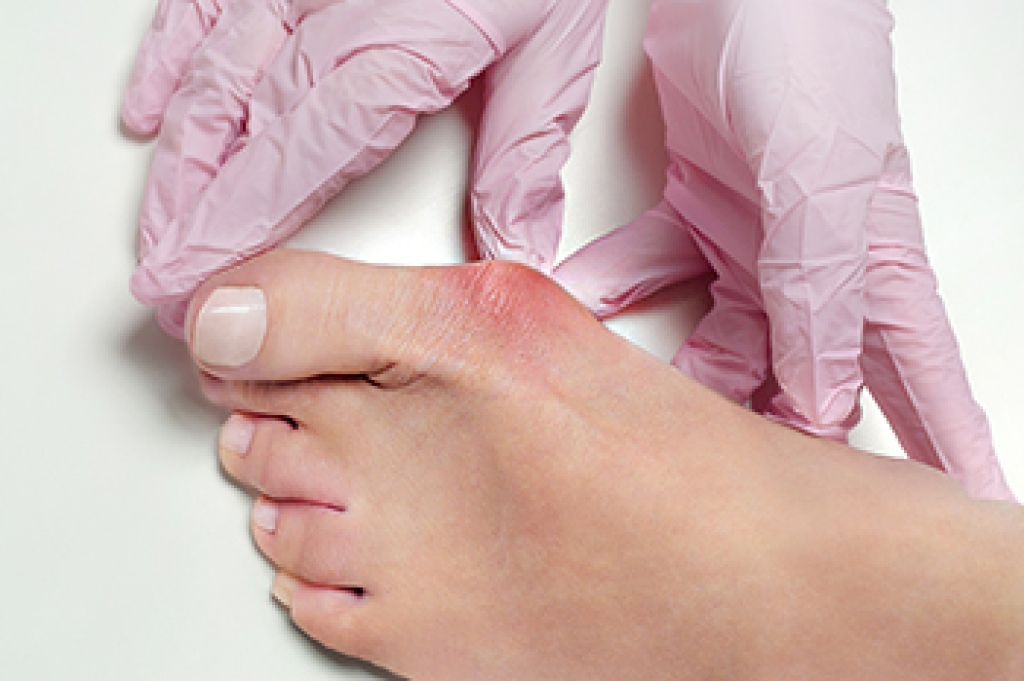
A bunion is a bony bump that forms at the base of the big toe when the joint becomes misaligned. It develops gradually as the big toe leans toward the second toe. Common causes include wearing tight or narrow shoes, inherited foot structure, or arthritis. A bunion often looks swollen and red and may cause pain or stiffness when walking. Risk factors include family history, flat feet, and prolonged pressure on the feet. A podiatrist can assess the severity, recommend supportive footwear, custom orthotics, or surgery, if needed. If you have a painful bump on your big toe, it is suggested that you consult a podiatrist who can provide effective relief tips, and help prevent further deformity.

If you are suffering from bunion pain, contact Genine Befumo, DPM of University Foot and Ankle Center, L.L.C. Our doctor can provide the care you need to keep you pain-free and on your feet.

What Is a Bunion?

Bunions are painful bony bumps that usually develop on the inside of the foot at the joint of the big toe. As the deformity increases over time, it may become painful to walk and wear shoes. Women are more likely to exacerbate existing bunions since they often wear tight, narrow shoes that shift their toes together. Bunion pain can be relieved by wearing wider shoes with enough room for the toes.

Causes

  • Genetics – some people inherit feet that are more prone to bunion development
  • Inflammatory Conditions - rheumatoid arthritis and polio may cause bunion development

Symptoms

  • Redness and inflammation
  • Pain and tenderness
  • Callus or corns on the bump
  • Restricted motion in the big toe

In order to diagnose your bunion, your podiatrist may ask about your medical history, symptoms, and general health. Your doctor might also order an x-ray to take a closer look at your feet. Nonsurgical treatment options include orthotics, padding, icing, changes in footwear, and medication. If nonsurgical treatments don’t alleviate your bunion pain, surgery may be necessary.

If you have any questions, please feel free to contact our office located in Monroe Township, NJ . We offer the newest diagnostic and treatment technologies for all your foot care needs.

Read more about What Are Bunions?

Understanding the Winograd Procedure and Its Possible Complications

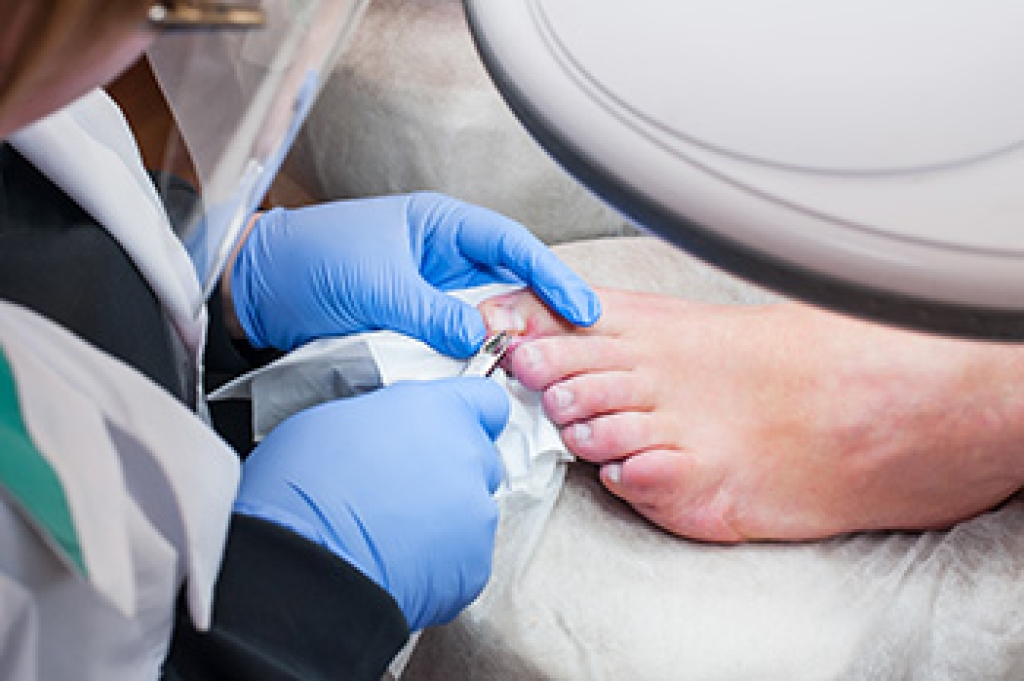
The Winograd Procedure is a common surgical treatment for chronic or recurring ingrown toenails that do not respond to conservative care. During this procedure, the podiatrist removes a small portion of the affected nail and surrounding tissue to prevent the nail from growing into the skin again. The goal is to eliminate pain, infection, and inflammation while preserving the natural shape of the toe. Most patients experience quick relief and can return to normal activities within a short time. However, as with any surgery, there are potential risks. These may include infection, delayed healing, minor bleeding, or temporary tenderness around the treated area. In rare cases, nail regrowth or persistent discomfort may occur. Following proper post-procedure instructions and keeping the site clean greatly reduces these risks. For safe, lasting relief from ingrown toenails, it is suggested that you consult a podiatrist experienced in this procedure.

Ingrown toenails may initially present themselves as a minor discomfort, but they may progress into an infection in the skin without proper treatment. For more information about ingrown toenails, contact Genine Befumo, DPM of University Foot and Ankle Center, L.L.C. Our doctor can provide the care you need to keep you pain-free and on your feet.

Ingrown Toenails

Ingrown toenails are caused when the corner or side of a toenail grows into the soft flesh surrounding it. They often result in redness, swelling, pain, and in some cases, infection. This condition typically affects the big toe and may recur if it is not treated properly.

Causes

  • Improper toenail trimming
  • Genetics
  • Improper shoe fitting
  • Injury from pedicures or nail picking
  • Abnormal gait
  • Poor hygiene

You are more likely to develop an ingrown toenail if you are obese, have diabetes, arthritis, or have any fungal infection in your nails. Additionally, people who have foot or toe deformities are at a higher risk of developing an ingrown toenail.

Symptoms

Some symptoms of ingrown toenails are redness, swelling, and pain. In rare cases, there may be a yellowish drainage coming from the nail.

Treatment

Ignoring an ingrown toenail can have serious complications. Infections of the nail border can progress to a deeper soft-tissue infection, which can then turn into a bone infection. You should always speak with your podiatrist if you suspect you have an ingrown toenail, especially if you have diabetes or poor circulation.

If you have any questions, please feel free to contact our office located in Monroe Township, NJ . We offer the newest diagnostic and treatment technologies for all your foot care needs.

Read more about Ingrown Toenails

The Impact of High Heels on Foot Health

Wearing high heels places the feet in an unnatural position that forces extra pressure on the forefoot and alters balance. This design pushes the toes together, leading to common conditions such as hammertoe, bunions, and corns. Over time, the unnatural alignment can also strain ligaments and joints, causing pain and difficulty walking comfortably. These issues can become progressive if not addressed early. A podiatrist can evaluate foot structure, provide custom orthotics, recommend footwear modifications, and offer treatments to relieve pain and prevent long-term damage. If you experience foot pain from wearing high heels, it is recommended that you consult a podiatrist who can diagnose and treat various foot conditions and provide guidance on more suitable shoes for better foot health.

High heels have a history of causing foot and ankle problems. If you have any concerns about your feet or ankles, contact Genine Befumo, DPM from University Foot and Ankle Center, L.L.C. Our doctor can provide the care you need to keep you pain-free and on your feet.

Effects of High Heels on the Feet

High heels are popular shoes among women because of their many styles and societal appeal.  Despite this, high heels can still cause many health problems if worn too frequently.

Which Parts of My Body Will Be Affected by High Heels?

  • Ankle Joints
  • Achilles Tendon – May shorten and stiffen with prolonged wear
  • Balls of the Feet
  • Knees – Heels cause the knees to bend constantly, creating stress on them
  • Back – They decrease the spine’s ability to absorb shock, which may lead to back pain.  The vertebrae of the lower back may compress.

What Kinds of Foot Problems Can Develop from Wearing High Heels?

  • Corns
  • Calluses
  • Hammertoe
  • Bunions
  • Morton’s Neuroma
  • Plantar Fasciitis

How Can I Still Wear High Heels and Maintain Foot Health?

If you want to wear high heeled shoes, make sure that you are not wearing them every day, as this will help prevent long term physical problems.  Try wearing thicker heels as opposed to stilettos to distribute weight more evenly across the feet.  Always make sure you are wearing the proper shoes for the right occasion, such as sneakers for exercising.  If you walk to work, try carrying your heels with you and changing into them once you arrive at work.  Adding inserts to your heels can help cushion your feet and absorb shock. Full foot inserts or metatarsal pads are available. 

If you have any questions, please feel free to contact our office located in Monroe Township, NJ . We offer the newest diagnostic and treatment technologies for all your foot care needs.

Read more about Why High Heels Are Not Ideal for Healthy Feet

Are You Suffering From Ingrown Toenails?

If left untreated, an ingrown toenail can lead to more serious concerns, such as an infection. Knowing proper nail care can help in the prevention of an ingrown toenail. Give us a call, and get treated!

How to Become a Podiatrist

Doctors that treat various disorders and conditions of the feet are known as podiatrists. It is considered to be a specialized form of medicine, and research has indicated that certain foot ailments may be indicative of existing medical concerns that are present in the body such as diabetes. A podiatrist is responsible for furnishing patients with consultations, properly diagnosing foot conditions, and may also provide foot and ankle surgery. Mandatory schooling consists of earning a bachelor’s degree, followed by obtaining a doctorate from an accredited college. This is generally completed in four years, after which a three year podiatric residency must also be completed . Many podiatrists choose to practice in hospitals, become part of a group practice, or may work independently. For people that are interested in pursuing a career in podiatry, it is suggested that you consult with a podiatrist to answer any questions you may have.

If you are dealing with pain in your feet and ankles, you may want to seek help from a podiatrist. Feel free to contact Genine Befumo, DPM from University Foot and Ankle Center, L.L.C. Our doctor can provide the care you need to keep you pain-free and on your feet.

What Is a Podiatrist?

A podiatrist diagnoses and treats conditions of the foot, ankle, and related structures of the leg. Your podiatrist may specialize in a certain field such as sports medicine, wound care, pediatrics, and diabetic care. Podiatrists have the ability to become board certified through training, clinical experience, and then taking an exam.

What Do Podiatrists Do?

On a daily basis, a podiatrist may perform the following activities:

  • Diagnose foot ailments such as ulcers, tumors, fractures, etc.
  • Use innovative methods to treat conditions
  • Use corrective orthotics, casts, and strappings to correct deformities
  • Correct walking patterns and balance
  • Provide individual consultations to patients

It is very important that you take care of your feet. It’s easy to take having healthy feet for granted, however foot problems tend to be among the most common health conditions. Podiatrists can help diagnose and treat a variety of feet related conditions, so it is crucial that you visit one if you need assistance.

If you have any questions, please feel free to contact our office located in Monroe Township, NJ . We offer the newest diagnostic and treatment technologies for all your foot care needs.

Read more about What is a Podiatrist?
Connect with us

our recent articles