
Blog

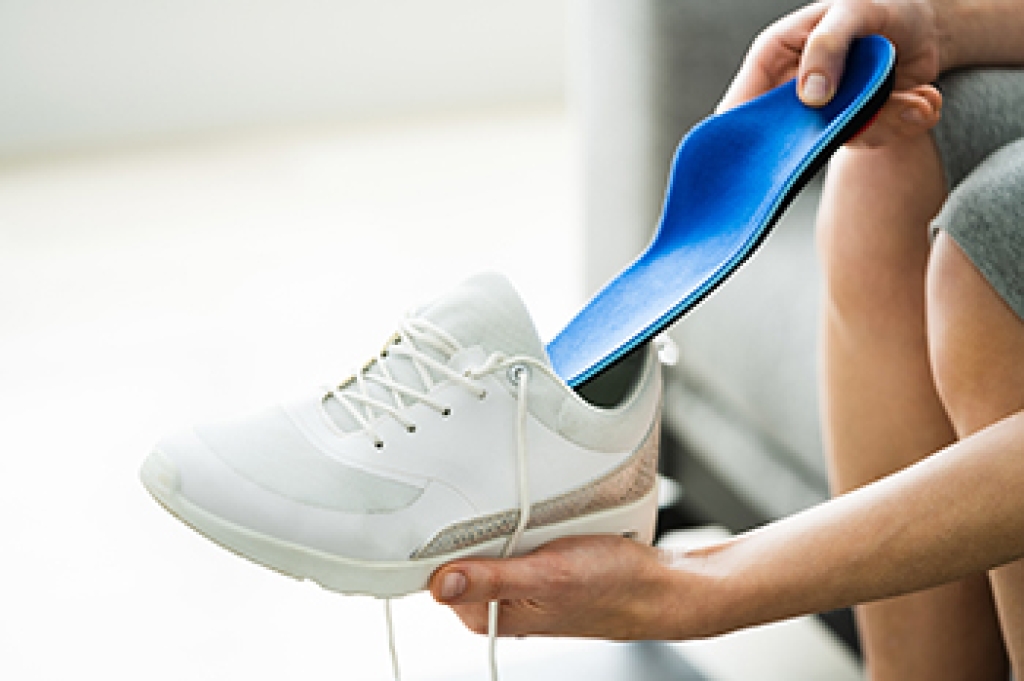
Orthotics as a Supportive Solution for Flat Feet

Orthotics can be an effective solution for anyone with flat feet because they provide stability, support, and improved alignment. Customized orthotics are often better than standard inserts because they are created to match both typical and atypical foot structures. They can be adjusted over time to ensure continued comfort as your needs change. Proper support can reduce pain in the feet, ankles, knees, and lower back, making daily activities more comfortable. A podiatrist can evaluate your foot structure, recommend the right type of orthotic, and make any needed modifications for the best results. If you have discomfort from flat feet or want better support, it is suggested that you schedule an appointment with a podiatrist to explore personalized orthotic options.

If you are having discomfort in your feet and would like to try orthotics, contact Genine Befumo, DPM from University Foot and Ankle Center, L.L.C. Our doctor can provide the care you need to keep you pain-free and on your feet.

What Are Orthotics?

Orthotics are inserts you can place into your shoes to help with a variety of foot problems such as flat feet or foot pain. Orthotics provide relief and comfort for minor foot and heel pain but can’t correct serious biomechanical problems in your feet.

Over-the-Counter Inserts

Orthotics come in a wide variety of over-the-counter inserts that are used to treat foot pain, heel pain, and minor problems. For example, arch supports can be inserted into your shoes to help correct overarched or flat feet, while gel insoles are often used because they provide comfort and relief from foot and heel pain by alleviating pressure.

Prescription Orthotics

If over-the-counter inserts don’t work for you or if you have a more severe foot concern, it is possible to have your podiatrist prescribe custom orthotics. These high-quality inserts are designed to treat problems such as abnormal motion, plantar fasciitis, and severe forms of heel pain. They can even be used to help patients suffering from diabetes by treating foot ulcers and painful calluses and are usually molded to your feet individually, which allows them to provide full support and comfort.

If you are experiencing minor to severe foot or heel pain, it’s recommended to speak with your podiatrist about the possibilities of using orthotics. A podiatrist can determine which type of orthotic is right for you and allow you to take the first steps towards being pain-free.

If you have any questions, please feel free to contact our office located in Monroe Township, NJ . We offer the newest diagnostic and treatment technologies for all your foot care needs.

Read more about Ankle Foot Orthotics for Athletes

Understanding Plantar Fasciitis and How to Find Relief

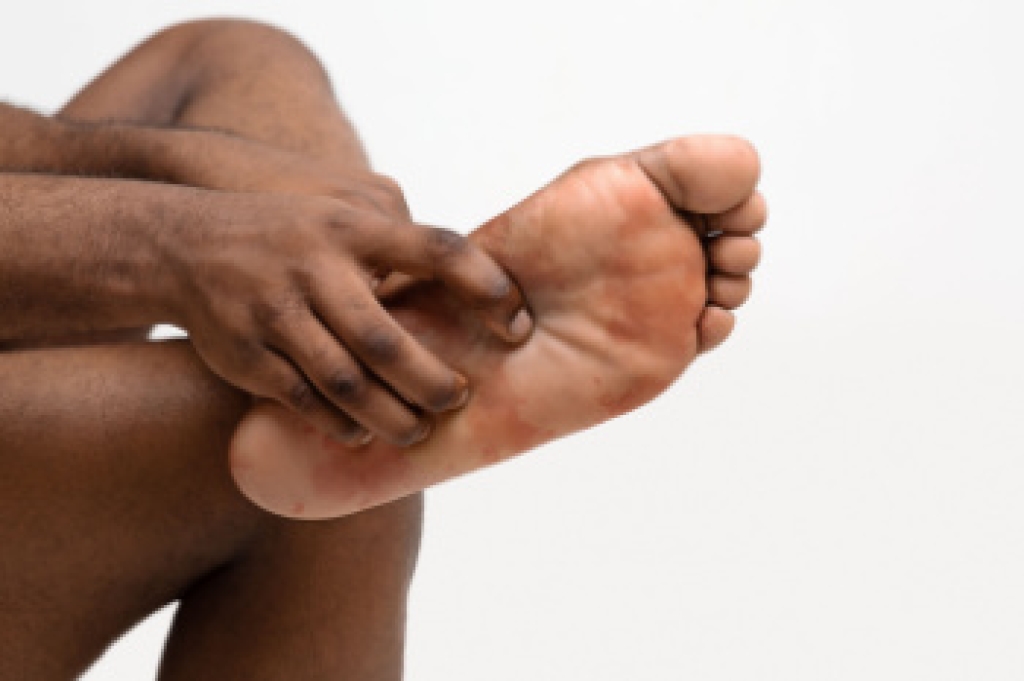
Plantar fasciitis is one of the most common causes of heel pain and affects people of all ages and activity levels. It occurs when the thick band of tissue that connects the heel bone to the toes becomes inflamed, often due to overuse, high arches, flat feet, or prolonged standing. Symptoms typically include sharp heel pain, especially with the first steps in the morning or after sitting for long periods. The foot may feel tight, sore, or swollen along the bottom, and discomfort often worsens after exercise. A podiatrist can diagnose plantar fasciitis through a physical exam, gait evaluation, and imaging when needed. Treatment includes stretching exercises, custom orthotics, or supportive footwear. Early care can prevent chronic pain and help restore mobility. It is suggested that you make an appointment with a podiatrist to relieve your heel pain and promote healthy movement.

Plantar fasciitis is a common foot condition that is often caused by a strain injury. If you are experiencing heel pain or symptoms of plantar fasciitis, contact Genine Befumo, DPM from University Foot and Ankle Center, L.L.C. Our doctor can provide the care you need to keep you pain-free and on your feet.

What Is Plantar Fasciitis?

Plantar fasciitis is one of the most common causes of heel pain. The plantar fascia is a ligament that connects your heel to the front of your foot. When this ligament becomes inflamed, plantar fasciitis is the result. If you have plantar fasciitis you will have a stabbing pain that usually occurs with your first steps in the morning. As the day progresses and you walk around more, this pain will start to disappear, but it will return after long periods of standing or sitting.

What Causes Plantar Fasciitis?

  • Excessive running
  • Having high arches in your feet
  • Other foot issues such as flat feet
  • Pregnancy (due to the sudden weight gain)
  • Being on your feet very often

There are some risk factors that may make you more likely to develop plantar fasciitis compared to others. The condition most commonly affects adults between the ages of 40 and 60. It also tends to affect people who are obese because the extra pounds result in extra stress being placed on the plantar fascia.

Prevention

  • Take good care of your feet – Wear shoes that have good arch support and heel cushioning.
  • Maintain a healthy weight
  • If you are a runner, alternate running with other sports that won’t cause heel pain

There are a variety of treatment options available for plantar fasciitis along with the pain that accompanies it. Additionally, physical therapy is a very important component in the treatment process. It is important that you meet with your podiatrist to determine which treatment option is best for you.

If you have any questions, please feel free to contact our office located in Monroe Township, NJ . We offer the newest diagnostic and treatment technologies for all your foot care needs.
 

Read more about Plantar Fasciitis

Common Foot Surgeries

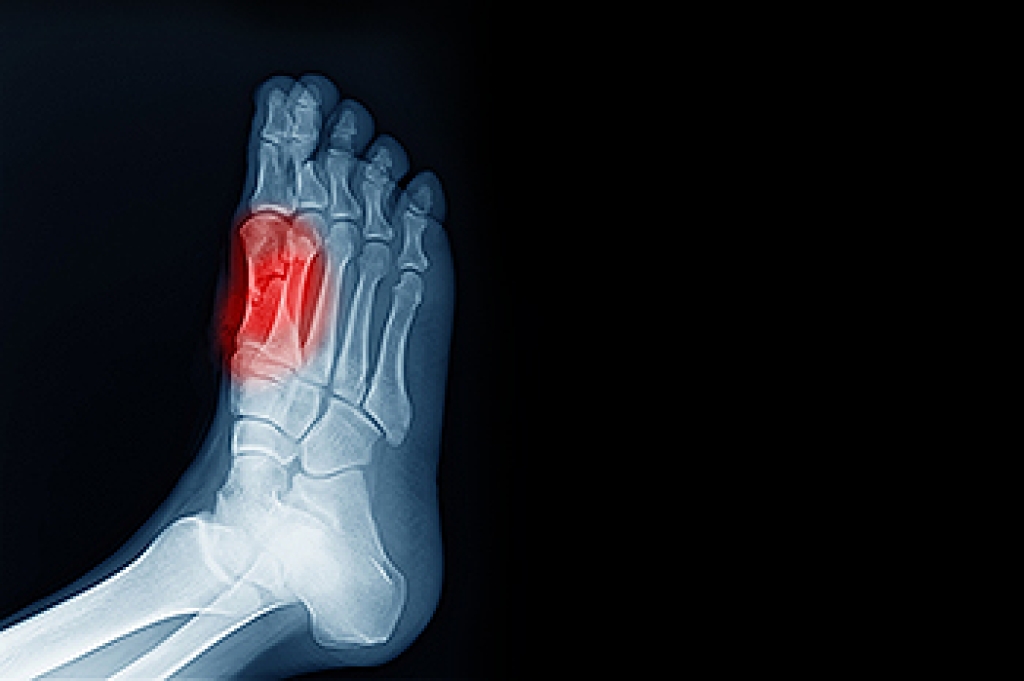
Foot pain can often be attributed to a number of conditions, including bunions, hammertoe, metatarsalgia, and neuromas, that require surgical intervention. Bunions are painful bony bumps on the side of the foot, caused by misalignment of the toe joint. Hammertoe, where the toe bends abnormally, results from muscle imbalances, often worsened by tight shoes. Metatarsalgia refers to pain in the ball of the foot, usually from overuse or improper footwear, while a neuroma is a thickening of tissue around nerves in the foot, causing sharp, burning pain. Symptoms for these conditions include pain, swelling, deformity, and difficulty walking. Conservative treatments like footwear changes or orthotics can help, but surgery may be needed for severe cases. Surgical options vary, from joint realignment to nerve decompression, depending on the condition. A podiatrist can evaluate your symptoms and recommend the most appropriate surgical or non-surgical treatment for relief. If you are dealing with one of these conditions, it is suggested that you make an appointment with a podiatrist.

Foot surgery is sometimes necessary to treat a foot ailment. To learn more, contact Genine Befumo, DPM of University Foot and Ankle Center, L.L.C. Our doctor will assist you with all of your foot and ankle needs.

When Is Surgery Necessary?

Foot and ankle surgery is generally reserved for cases in which less invasive, conservative procedures have failed to alleviate the problem. Some of the cases in which surgery may be necessary include:

  • Removing foot deformities like bunions and bone spurs
  • Severe arthritis that has caused bone issues
  • Cosmetic reconstruction

What Types of Surgery Are There?

The type of surgery you receive will depend on the nature of the problem you have. Some of the possible surgeries include:

  • Bunionectomy for painful bunions
  • Surgical fusion for realignment of bones
  • Neuropathy decompression surgery to treat nerve damage

Benefits of Surgery

Although surgery is usually a last resort, it can provide more complete pain relief compared to non-surgical methods and may allow you to finally resume full activity.

Surgical techniques have also become increasingly sophisticated. Techniques like endoscopic surgery allow for smaller incisions and faster recovery times.

If you have any questions, please feel free to contact our office located in Monroe Township, NJ . We offer the newest diagnostic and treatment technologies for all your foot care needs.
Read more about Foot Surgery

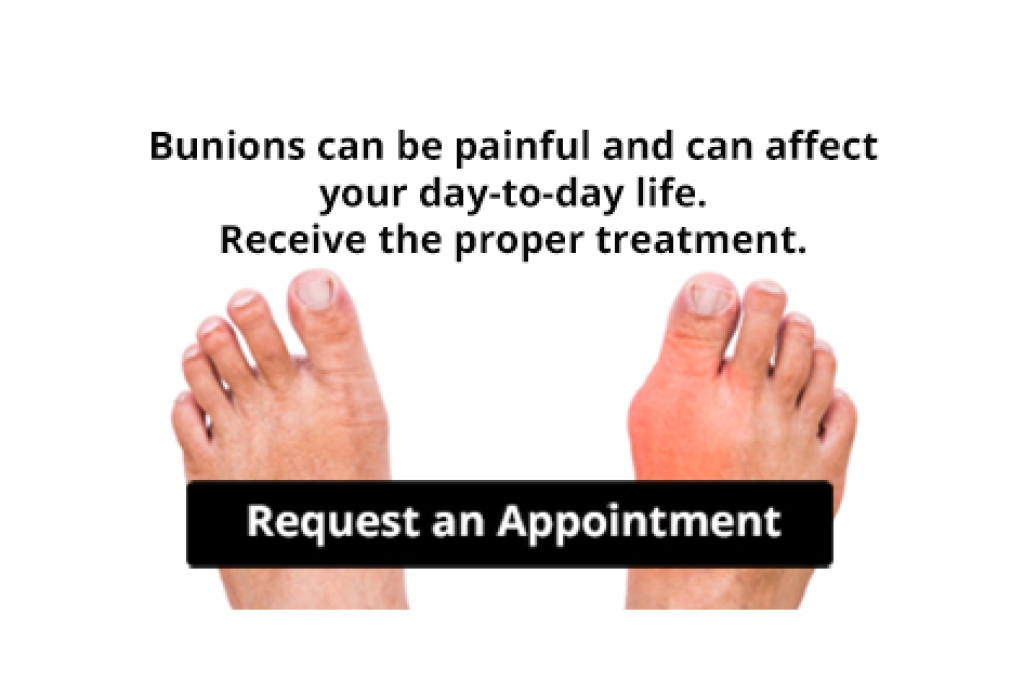
Are Bunions Affecting Your Everyday Life?

Have you noticed a bony protrusion on the side of your big toe? If so, you may have developed the foot condition known as a bunion. Don't let bunions interfere with your daily activities.

What Is Sesamoiditis?

Sesamoiditis is the inflammation of two small sesamoid bones located beneath the big toe joint. It is often caused by repetitive stress, high impact activities, or wearing ill-fitting shoes. Athletes, dancers, and anyone who spend long periods on their feet are at a higher risk. Symptoms include pain and swelling under the ball of the foot, difficulty bending the big toe, and discomfort when walking or running. A podiatrist can provide a thorough evaluation, recommend custom orthotics, prescribe anti-inflammatory treatments, and develop a stretching and strengthening program to relieve pain and prevent recurrence. Early intervention is important for a successful recovery. If you have pain in this part of your foot, it is suggested that you consult a podiatrist to receive expert care and get back to pain-free movement.

Sesamoiditis is an unpleasant foot condition characterized by pain in the balls of the feet. If you think you’re struggling with sesamoiditis, contact Genine Befumo, DPM of University Foot and Ankle Center, L.L.C. Our doctor will treat your condition thoroughly and effectively.

Sesamoiditis

Sesamoiditis is a condition of the foot that affects the ball of the foot. It is more common in younger people than it is in older people. It can also occur with people who have begun a new exercise program, since their bodies are adjusting to the new physical regimen. Pain may also be caused by the inflammation of tendons surrounding the bones. It is important to seek treatment in its early stages because if you ignore the pain, this condition can lead to more serious problems such as severe irritation and bone fractures.

Causes of Sesamoiditis

  • Sudden increase in activity
  • Increase in physically strenuous movement without a proper warm up or build up
  • Foot structure: those who have smaller, bonier feet or those with a high arch may be more susceptible

Treatment for sesamoiditis is non-invasive and simple. Doctors may recommend a strict rest period where the patient forgoes most physical activity. This will help give the patient time to heal their feet through limited activity. For serious cases, it is best to speak with your doctor to determine a treatment option that will help your specific needs.

If you have any questions, please feel free to contact our office located in Monroe Township, NJ . We offer the newest diagnostic and treatment technologies for all your foot care needs.

Read more about Sesamoiditis
Connect with us

our recent articles