Blog

Causes and Symptoms of Plantar Fasciitis

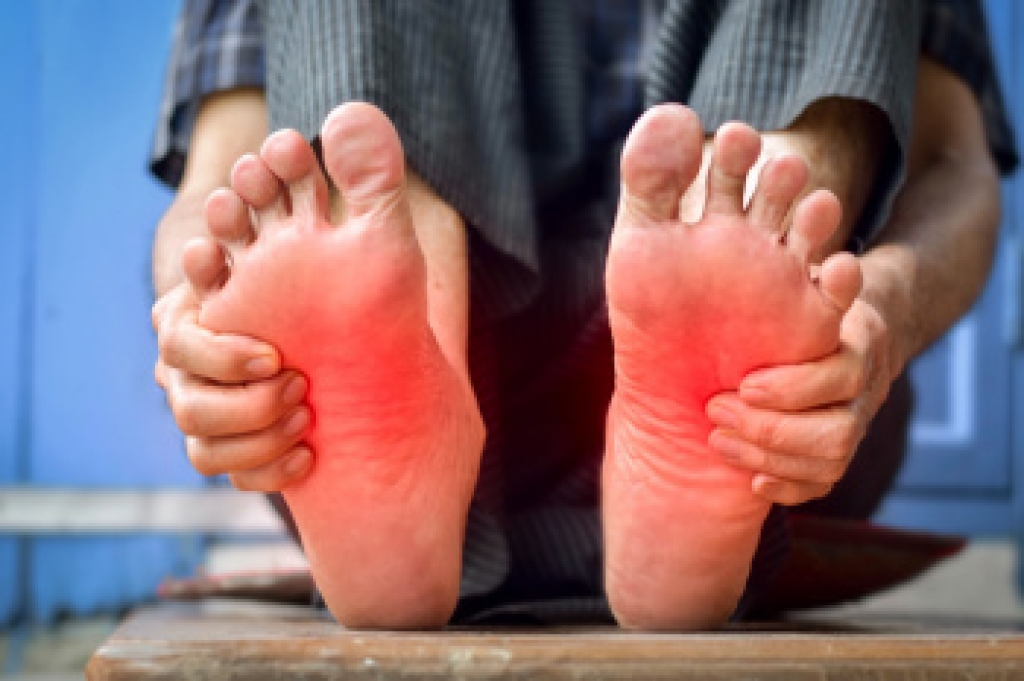
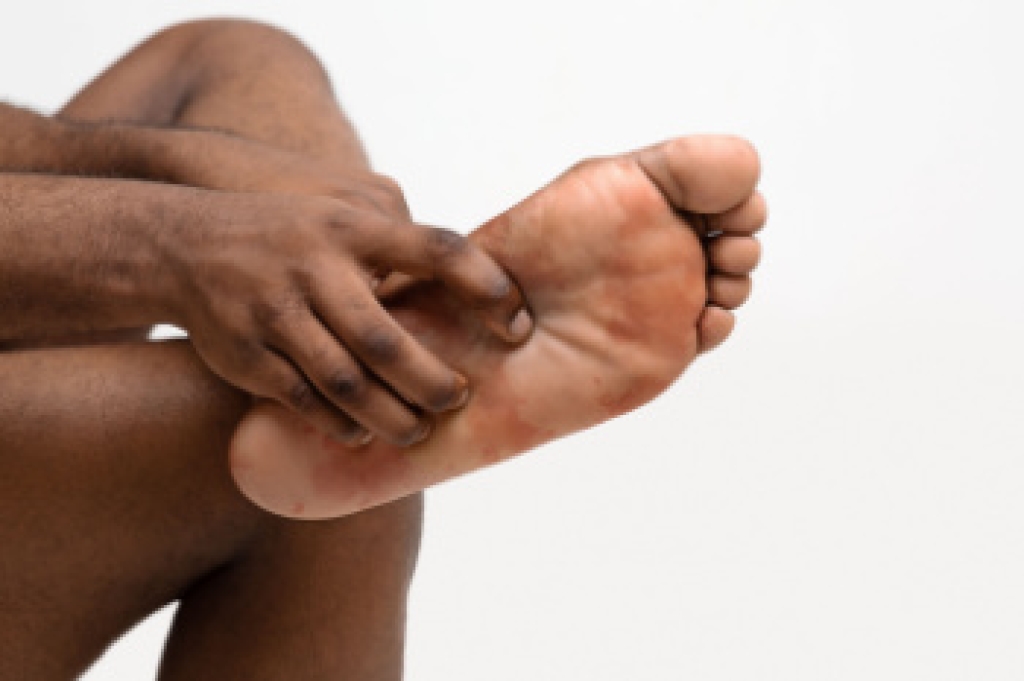
Plantar fasciitis occurs when the thick ligament on the bottom of the foot, called the plantar fascia, becomes irritated from overuse or strain. This tissue supports the arch and helps absorb impact during walking or running. When the ligament becomes inflamed, it can cause sharp pain near the heel, especially first thing in the morning or after standing for a long time. The discomfort from plantar fasciitis may return after exercise or long periods of walking. Risk factors include being between the ages of 40 and 60, carrying excess body weight, or participating in activities that put stress on the heel, such as long-distance running or dance. The condition may affect one or both feet, depending on how much strain is placed on them. A podiatrist can diagnose plantar fasciitis through a physical exam and imaging to rule out other foot problems. If you are experiencing pain along the bottom of your feet, it is suggested that you schedule an appointment  with a podiatrist who can accurately diagnose and treat plantar fasciitis. 

Plantar fasciitis is a common foot condition that is often caused by a strain injury. If you are experiencing heel pain or symptoms of plantar fasciitis, contact Genine Befumo, DPM from University Foot and Ankle Center, L.L.C. Our doctor can provide the care you need to keep you pain-free and on your feet.

What Is Plantar Fasciitis?

Plantar fasciitis is one of the most common causes of heel pain. The plantar fascia is a ligament that connects your heel to the front of your foot. When this ligament becomes inflamed, plantar fasciitis is the result. If you have plantar fasciitis you will have a stabbing pain that usually occurs with your first steps in the morning. As the day progresses and you walk around more, this pain will start to disappear, but it will return after long periods of standing or sitting.

What Causes Plantar Fasciitis?

  • Excessive running
  • Having high arches in your feet
  • Other foot issues such as flat feet
  • Pregnancy (due to the sudden weight gain)
  • Being on your feet very often

There are some risk factors that may make you more likely to develop plantar fasciitis compared to others. The condition most commonly affects adults between the ages of 40 and 60. It also tends to affect people who are obese because the extra pounds result in extra stress being placed on the plantar fascia.

Prevention

  • Take good care of your feet – Wear shoes that have good arch support and heel cushioning.
  • Maintain a healthy weight
  • If you are a runner, alternate running with other sports that won’t cause heel pain

There are a variety of treatment options available for plantar fasciitis along with the pain that accompanies it. Additionally, physical therapy is a very important component in the treatment process. It is important that you meet with your podiatrist to determine which treatment option is best for you.

If you have any questions, please feel free to contact our office located in Monroe Township, NJ . We offer the newest diagnostic and treatment technologies for all your foot care needs.

 

Read more about Plantar Fasciitis

Ankle Pain in Cyclists and the Role of Podiatric Care

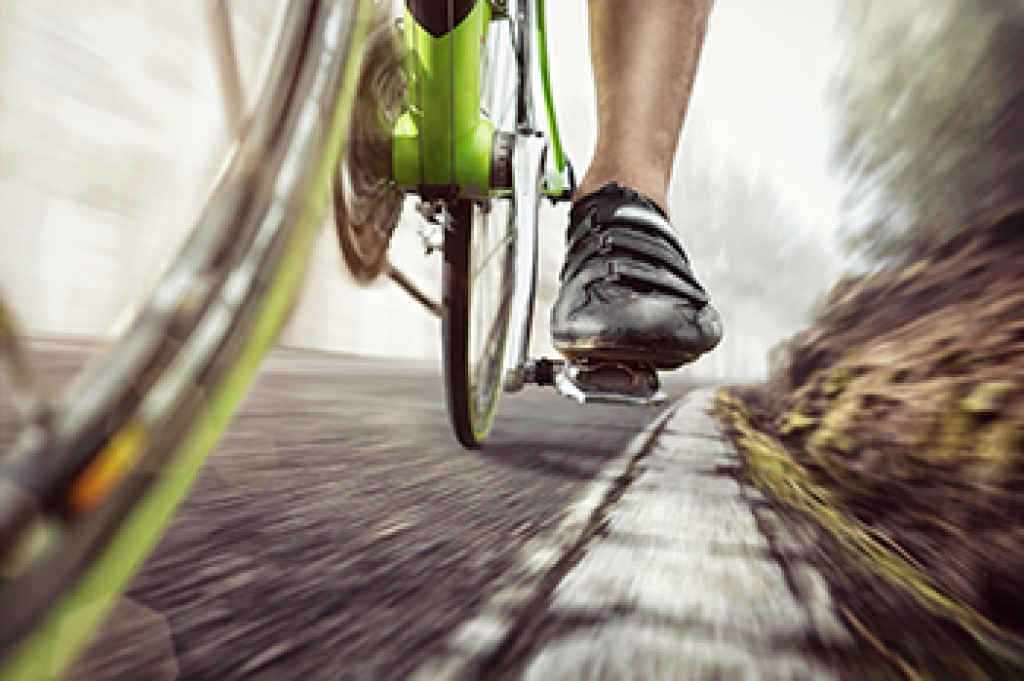
Ankle pain while cycling can stem from overuse, improper technique, or equipment issues. A common technique once believed to enhance performance, known as ankling, encouraged exaggerated ankle motion but is now understood to increase strain without significant benefit. Wearing ill-fitting shoes, poorly aligned cleats, or using pedals that lack support can also contribute to discomfort. Starting with intense rides too quickly may overload the joints and soft tissues. A podiatrist can assess foot and ankle alignment, recommend proper footwear or orthotics, and offer strategies to prevent injury. If ankle pain is interfering with your cycling goals, it is suggested that you consult a podiatrist for a thorough evaluation and personalized plan to support comfort and performance.

Sports related foot and ankle injuries require proper treatment before players can go back to their regular routines. For more information, contact Genine Befumo, DPM of University Foot and Ankle Center, L.L.C. Our doctor can provide the care you need to keep you pain-free and on your feet.

Sports Related Foot and Ankle Injuries

Foot and ankle injuries are a common occurrence when it comes to athletes of any sport. While many athletes dismiss the initial aches and pains, the truth is that ignoring potential foot and ankle injuries can lead to serious problems. As athletes continue to place pressure and strain the area further, a mild injury can turn into something as serious as a rupture and may lead to a permanent disability. There are many factors that contribute to sports related foot and ankle injuries, which include failure to warm up properly, not providing support or wearing bad footwear. Common injuries and conditions athletes face, including:

  • Plantar Fasciitis
  • Achilles Tendinitis
  • Achilles Tendon Rupture
  • Ankle Sprains

Sports related injuries are commonly treated using the RICE method. This includes rest, applying ice to the injured area, compression and elevating the ankle. More serious sprains and injuries may require surgery, which could include arthroscopic and reconstructive surgery. Rehabilitation and therapy may also be required in order to get any recovering athlete to become fully functional again. Any unusual aches and pains an athlete sustains must be evaluated by a licensed, reputable medical professional.

If you have any questions please contact our office located in Monroe Township, NJ . We offer the newest diagnostic and treatment technologies for all your foot and ankle needs.

Read more about Sports Related Foot And Ankle Injuries

Do Your Child's Feet Hurt?

Have your child's feet been examined lately? Healthy feet are happy feet. If your child is complaining of foot pain, it may be a sign of underlying problems.

Managing Heel Pain in Growing Children

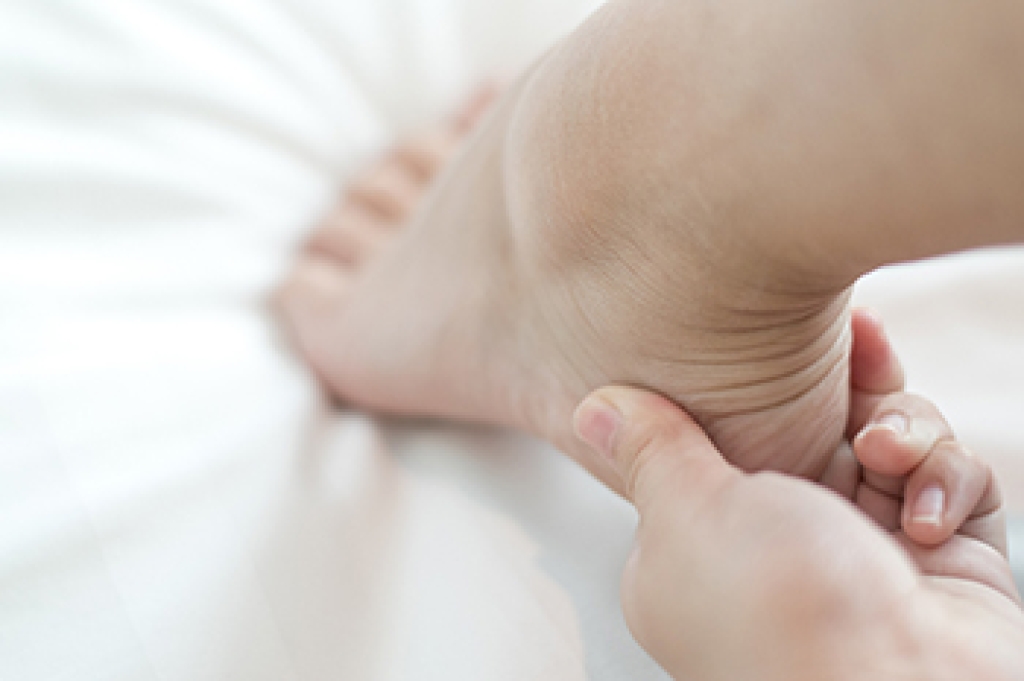
Sever’s disease, also known as calcaneal apophysitis, is a common cause of heel pain in growing children, especially those involved in sports. It occurs when the growth plate in the heel becomes inflamed due to repetitive stress from activities like running and jumping. This condition typically affects children between the ages of eight and 14, during growth spurts when the bones grow faster than the muscles and tendons. Symptoms include heel pain, swelling, and tenderness, often worsening with activity and improving with rest. Children may limp, walk on their toes, or complain of stiffness in the heel, particularly after sports or physical play. A podiatrist can diagnose Sever’s disease through a physical exam and a review of the child’s activity level and medical history. Treatment focuses on rest, stretching exercises, heel cushions, and custom orthotics to reduce strain and support healing. If you think your child may have this condition, it is suggested that you schedule an appointment with a podiatrist for appropriate treatment solutions.

Sever's disease often occurs in children and teens. If your child is experiencing foot or ankle pain, see Genine Befumo, DPM from University Foot and Ankle Center, L.L.C. Our doctor can treat your child’s foot and ankle needs.

Sever’s Disease

Sever’s disease is also known as calcaneal apophysitis, which is a medical condition that causes heel pain I none or both feet. The disease is known to affect children between the ages of 8 and 14.

Sever’s disease occurs when part of the child’s heel known as the growth plate (calcaneal epiphysis) is attached to the Achilles tendon. This area can suffer injury when the muscles and tendons of the growing foot do not keep pace with bone growth. Therefore, the constant pain which one experiences at the back of the heel will make the child unable to put any weight on the heel. The child is then forced to walk on their toes.

Symptoms

Acute pain – Pain associated with Sever’s disease is usually felt in the heel when the child engages in physical activity such as walking, jumping and or running.

Highly active – Children who are very active are among the most susceptible in experiencing Sever’s disease, because of the stress and tension placed on their feet.

If you have any questions, please feel free to contact our office located in Monroe Township, NJ . We offer the newest diagnostic and treatment technologies for all your foot care needs.
Read more about Sever's Disease

Recognizing the Signs of Foot Arthritis

Foot arthritis can significantly affect daily comfort and mobility. Common symptoms include swelling, stiffness, pain with movement, and visible joint deformities. These symptoms may develop gradually and worsen over time. Osteoarthritis results from wear and tear, rheumatoid arthritis is an autoimmune condition, and post-traumatic arthritis can occur after injury. Lifestyle choices such as maintaining a healthy weight, staying active, and wearing supportive footwear can help manage symptoms and slow progression. A podiatrist can offer targeted treatments including custom orthotics, and guidance on activity modification. If you are experiencing persistent foot discomfort or limited mobility, it is suggested that you promptly contact this type of doctor who can create a personalized plan that improves quality of life and preserves joint function.

Arthritis can be a difficult condition to live with. If you are seeking treatment, contact Genine Befumo, DPM from University Foot and Ankle Center, L.L.C. Our doctor can provide the care you need to keep you pain-free and on your feet.

Arthritic Foot Care  

Arthritis is a joint disorder that involves the inflammation of different joints in your body, such as those in your feet. Arthritis is often caused by a degenerative joint disease and causes mild to severe pain in all affected areas. In addition to this, swelling and stiffness in the affected joints can also be a common symptom of arthritis.

In many cases, wearing ill-fitting shoes can worsen the effects and pain of arthritis. Wearing shoes that have a lower heel and extra room can help your feet feel more comfortable. In cases of rheumatoid arthritis, the arch in your foot may become problematic. Buying shoes with proper arch support that contour to your feet can help immensely.

Alleviating Arthritic Pain

  • Exercises that stretch the foot can prevent further pain and injury and increase mobility
  • Most of the pain can be alleviated with anti-inflammatory drugs, heat, and topical medications
  • Massages can help temporarily alleviate pain.

It is best to see your doctor for the treatment that is right for your needs and symptoms. Conditions vary, and a podiatrist can help you determine the right method of care for your feet.

If you have any questions please feel free to contact our office located in Monroe Township, NJ . We offer the newest diagnostic tools and technology to treat your foot and ankle needs.

Read more about Arthritic Foot Care
Connect with us

our recent articles