
Blog

Relief and Prevention Methods for Ingrown Toenails

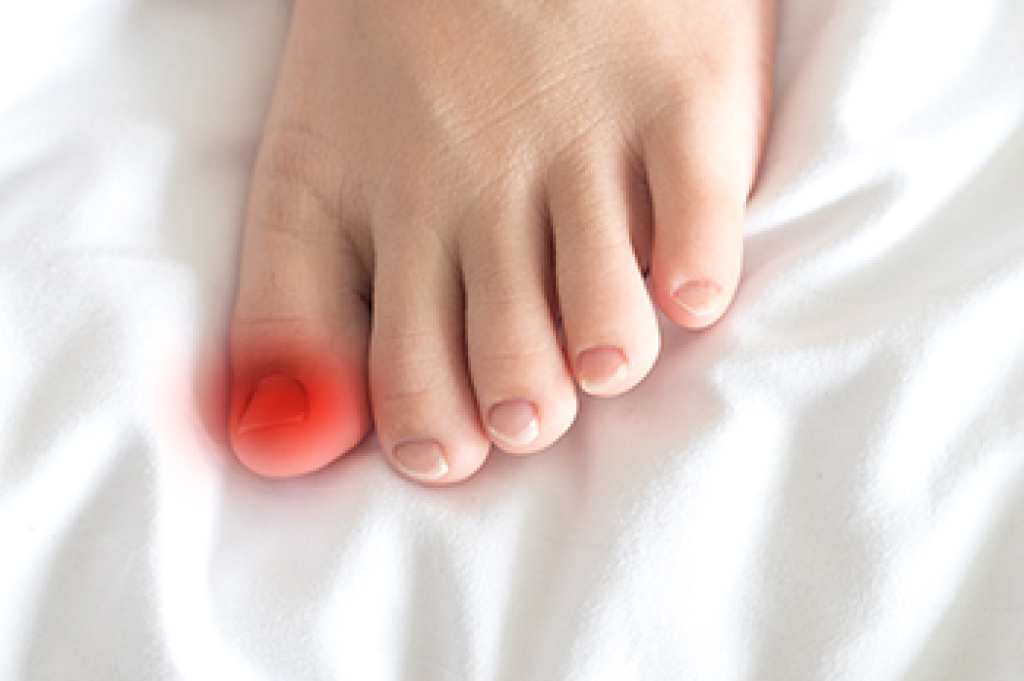
An ingrown toenail occurs when the edge of a toenail grows into the surrounding skin, causing pain, redness, and sometimes infection. This condition typically affects the big toe and can be caused by wearing improper footwear, a toenail injury, or genetic factors. A podiatrist can accurately evaluate the the severity of the ingrown toenail, and will treat it accordingly to avoid further irritation and to manage any existing infection. To prevent ingrown toenails, it is essential to trim nails straight across, avoid cutting them too short, and wear properly fitting shoes that do not put pressure on the toes.  If you have developed this condition, it is suggested that you promptly schedule an appointment with a podiatrist who can effectively treat ingrown toenails, which may include minor surgery.

Ingrown toenails can become painful if they are not treated properly. For more information about ingrown toenails, contact Genine Befumo, DPM of University Foot and Ankle Center, L.L.C. Our doctor can provide the care you need to keep you pain-free and on your feet.

Ingrown Toenails

Ingrown toenails occur when a toenail grows sideways into the bed of the nail, causing pain, swelling, and possibly infection.

Causes

  • Bacterial infections
  • Improper nail cutting such as cutting it too short or not straight across
  • Trauma to the toe, such as stubbing, which causes the nail to grow back irregularly
  • Ill-fitting shoes that bunch the toes too close together
  • Genetic predisposition

Prevention

Wearing proper fitting shoes and using proper cutting techniques will also help decrease your risk of developing ingrown toenails.

Treatment

Ingrown toenails are a very treatable foot condition. In minor cases, soaking the affected area in salt or antibacterial soaps will not only help with the ingrown nail itself, but also help prevent any infections from occurring. In more severe cases, surgery is an option. In either case, speaking to your podiatrist about this condition will help you get a better understanding of specific treatment options that are right for you.

If you have any questions, please feel free to contact our office located in Monroe Township, NJ . We offer the newest diagnostic and treatment technologies for all your foot care needs.

Read more about Ingrown Toenail Care

Definition and Symptoms of Heel Spurs

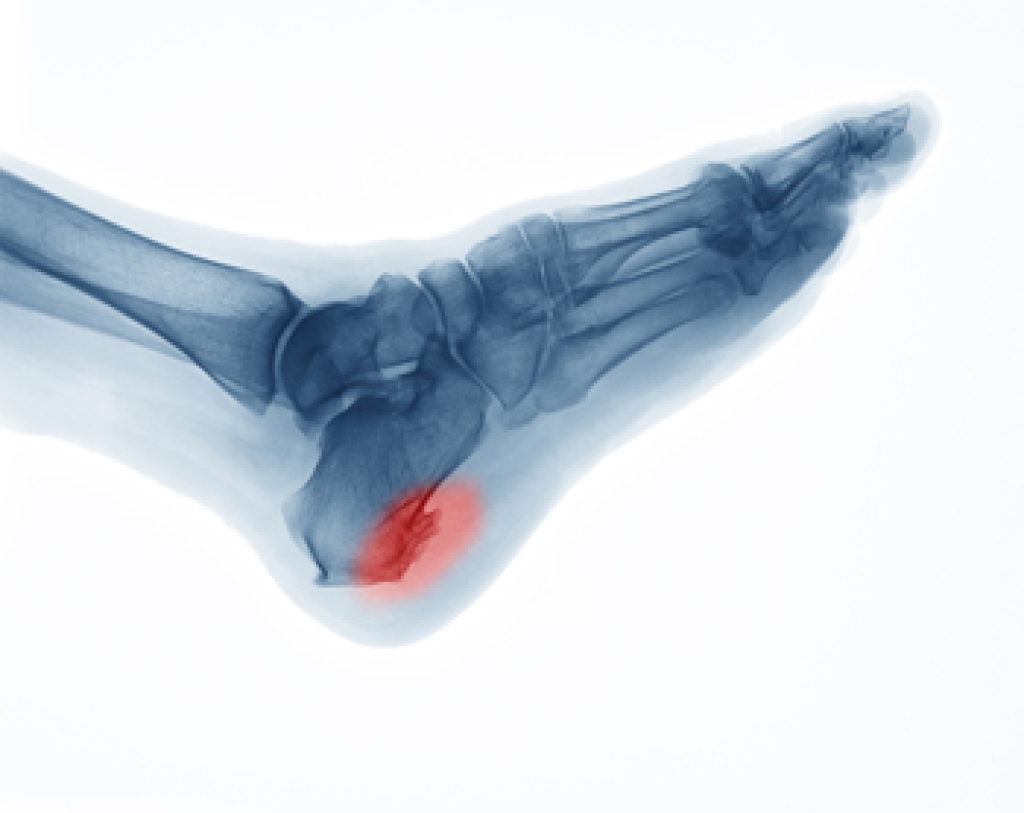
Heel spurs are bony growths that can develop on the underside of the heel bone, often associated with plantar fasciitis. These spurs form as a result of prolonged stress and inflammation in the plantar fascia, which connects the heel to the toes. Symptoms of heel spurs can vary, but they commonly include sharp pain in the heel, particularly during the first steps in the morning or after prolonged periods of sitting. The pain may subside with movement but can return after standing or walking for extended periods. Individuals may also experience tenderness and swelling surrounding the heel area. While heel spurs themselves may not always cause pain, the associated conditions can lead to significant discomfort. If you have heel pain, it may be caused by a heel spur, and it is suggested that you consult a podiatrist. This type of doctor can accurately diagnose and treat heel spurs.

Heel spurs can be incredibly painful and sometimes may make you unable to participate in physical activities. To get medical care for your heel spurs, contact Genine Befumo, DPM from University Foot and Ankle Center, L.L.C. Our doctor will do everything possible to treat your condition.

Heels Spurs

Heel spurs are formed by calcium deposits on the back of the foot where the heel is. This can also be caused by small fragments of bone breaking off one section of the foot, attaching onto the back of the foot. Heel spurs can also be bone growth on the back of the foot and may grow in the direction of the arch of the foot.

Older individuals usually suffer from heel spurs and pain sometimes intensifies with age. One of the main condition's spurs are related to is plantar fasciitis.

Pain

The pain associated with spurs is often because of weight placed on the feet. When someone is walking, their entire weight is concentrated on the feet. Bone spurs then have the tendency to affect other bones and tissues around the foot. As the pain continues, the feet will become tender and sensitive over time.

Treatments

There are many ways to treat heel spurs. If one is suffering from heel spurs in conjunction with pain, there are several methods for healing. Medication, surgery, and herbal care are some options.

If you have any questions, please feel free to contact our office located in Monroe Township, NJ . We offer the newest diagnostic and treatment technologies for all your foot care needs.

Read more about Heel Spurs

Classification and Key Concepts of Ankle Fractures

Ankle fractures are common injuries that can occur due to trauma or falls, often requiring careful assessment for effective treatment. The Ottawa rules are clinical guidelines that help determine the need for X-rays in suspected ankle injuries, focusing on pain in specific areas and the ability to bear weight. Ankle fractures can be classified using the Danis-Weber system, which categorizes them based on the location of the fibula fracture relative to the joint that stabilizes the bones. The Lauge-Hansen classification further describes the mechanism of injury, aiding in treatment decisions. Common types of fractures include calcaneal fractures, which affect the heel bone, and Chopart fracture-dislocations that involve the midfoot. Stress fractures often result from repetitive activity. If you have incurred an ankle fracture, it is suggested that you promptly consult a podiatrist who can determine which type it is, and offer effective treatment solutions.

Broken ankles need immediate treatment. If you are seeking treatment, contact Genine Befumo, DPM from University Foot and Ankle Center, L.L.C. Our doctor can provide the care you need to keep you pain-free and on your feet. 

Broken Ankles
A broken ankle is experienced when a person fractures their tibia or fibula in the lower leg and ankle area. Both of these bones are attached at the bottom of the leg and combine to form what we know to be our ankle.

When a physician is referring to a break of the ankle, he or she is usually referring to a break in the area where the tibia and fibula are joined to create our ankle joint. Ankles are more prone to fractures because the ankle is an area that suffers a lot of pressure and stress. There are some obvious signs when a person experiences a fractured ankle, and the following symptoms may be present.

Symptoms of a Fractured Ankle

  • Excessive pain when the area is touched or when any pressure is placed on the ankle
  • Swelling around the area
  • Bruising of the area
  • Area appears to be deformed

If you suspect an ankle fracture, it is recommended to seek treatment as soon as possible. The sooner you have your podiatrist diagnose the fracture, the quicker you’ll be on the way towards recovery.

If you have any questions, please feel free to contact our office located in Monroe Township, NJ . We offer the newest diagnostic and treatment technologies for all your foot care needs.
Read more about All About Broken Ankle

Are You Suffering From Ingrown Toenails?

If left untreated, an ingrown toenail can lead to more serious concerns, such as an infection. Knowing proper nail care can help in the prevention of an ingrown toenail. Give us a call, and get treated!

Causes and Risk Factors for Hammertoe

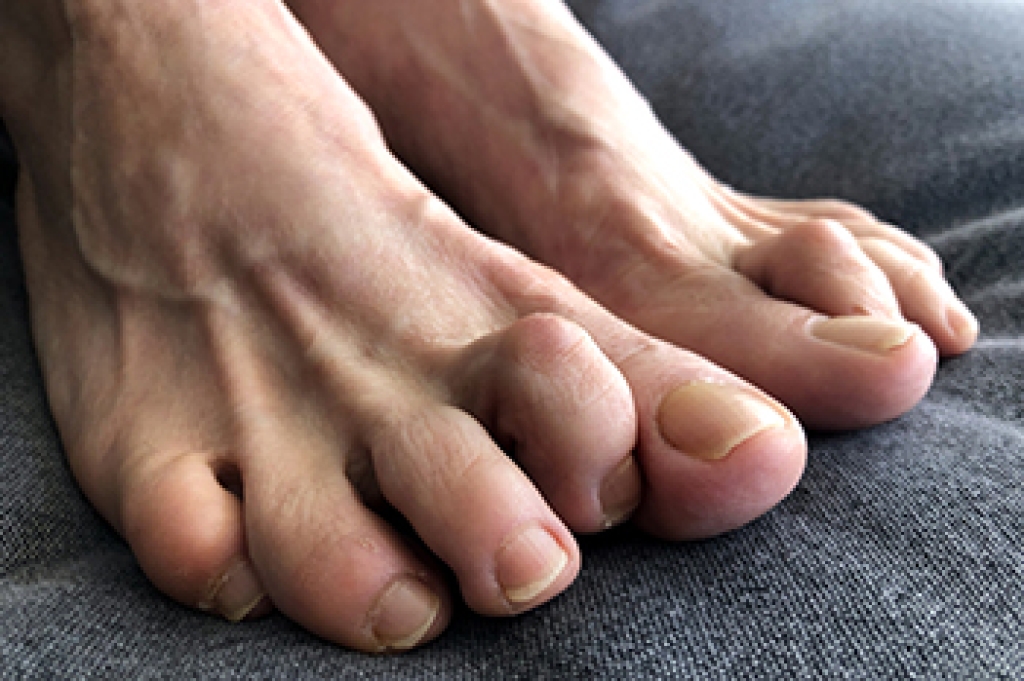
Hammertoe is a condition characterized by an abnormal bending of the toe at the middle joint, resembling a hammer. This deformity often arises due to an imbalance in the muscles and tendons that control the toe's position. Common causes include wearing ill-fitting shoes, particularly those with narrow toe boxes, which can exacerbate the issue. Other contributing factors may involve inherited foot structure, arthritis, or previous injuries to the toes. Certain risk factors can increase the likelihood of developing hammertoe, such as age, as the condition is more prevalent in older adults, and lifestyle choices that include frequent use of high-heeled or tight footwear. Hammertoe can be uncomfortable and unsightly. If you see the beginning signs of hammertoe or have pain from an existing hammertoe, it is suggested that you consult a podiatrist who can help you manage this condition.

Hammertoe

Hammertoes can be a painful condition to live with. For more information, contact Genine Befumo, DPM from University Foot and Ankle Center, L.L.C. Our doctor will answer any of your foot- and ankle-related questions.

Hammertoe is a foot deformity that affects the joints of the second, third, fourth, or fifth toes of your feet. It is a painful foot condition in which these toes curl and arch up, which can often lead to pain when wearing footwear.

Symptoms

  • Pain in the affected toes
  • Development of corns or calluses due to friction
  • Inflammation
  • Redness
  • Contracture of the toes

Causes

Genetics – People who are genetically predisposed to hammertoe are often more susceptible

Arthritis – Because arthritis affects the joints in your toes, further deformities stemming from arthritis can occur

Trauma – Direct trauma to the toes could potentially lead to hammertoe

Ill-fitting shoes – Undue pressure on the front of the toes from ill-fitting shoes can potentially lead to the development of hammertoe

Treatment

Orthotics – Custom made inserts can be used to help relieve pressure placed on the toes and therefore relieve some of the pain associated with it

Medications – Oral medications such as anti-inflammatories or NSAIDs could be used to treat the pain and inflammation hammertoes causes. Injections of corticosteroids are also sometimes used

Surgery – In more severe cases where the hammertoes have become more rigid, foot surgery is a potential option

If you have any questions, please feel free to contact our office located in Monroe Township, NJ . We offer the newest diagnostic and treatment technologies for all your foot care needs.

Read more about What Are Hammertoes?
Connect with us

our recent articles