Blog

Foot Massages and Reflexology Can Be Rewarding

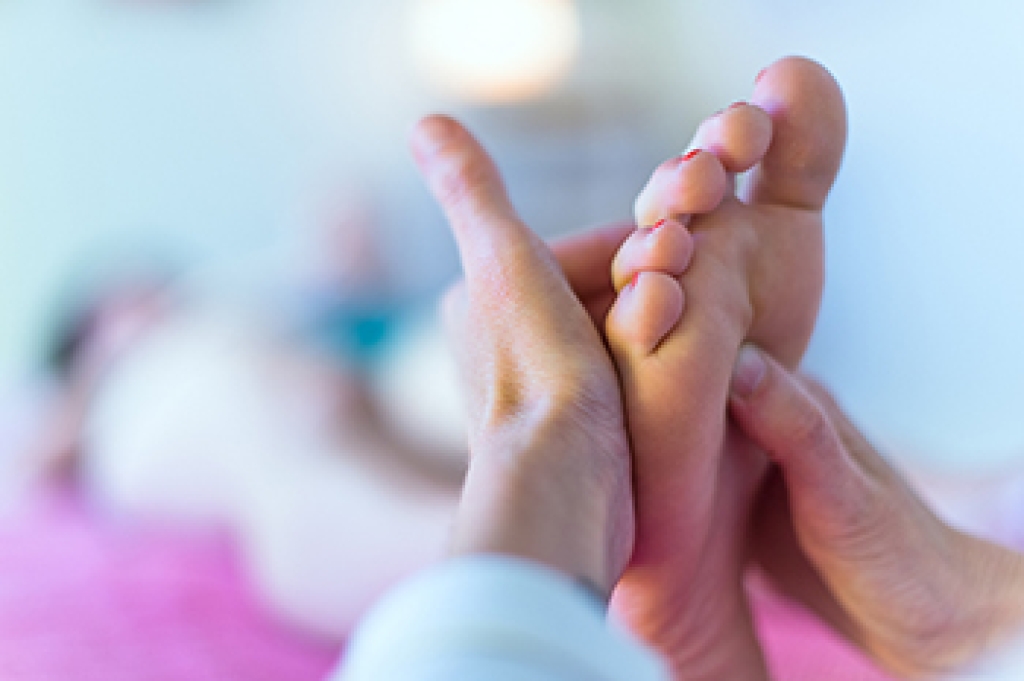
People who enjoy foot massages may experience pain relief and bliss while having an overall relaxing experience. Massages and reflexology are a form of foot therapy and bring different results. When reflexology is performed, the energy channels are stimulated that are connected to various organs and bones. This type of therapy may help reduce stress and increase energy. During a foot massage direct pressure is applied to the soft tissues in the foot and surrounding areas which may be beneficial in loosening constricting muscles. If you would like more information about the benefits of foot massages and reflexology, please confer with a podiatrist who can answer any questions you may have.

Foot therapy is often necessary for those recovering from either foot deformities or foot injuries. If you have concerns regarding therapy, consult with Genine Befumo, DPM from University Foot and Ankle Center, L.L.C. Our doctor can provide the care you need to keep you pain-free and on your feet.

Most Common Injuries

People who are active or athletes are prone to a variety of injuries. Therefore, it is often important to take part in physical therapy in order to quickly get back on the right track. 

What to Do When Injured

Physical Therapy – This specialized treatment will focus on the affected area, speeding up recovery and the overall healing process. It is a proven method that has helped millions of people return from any injury.

During physical therapy you will undergo regimented training to get back into full form. Training is often very difficult, especially at first when the foot feels weak. Physical therapy often involves:

Basic stretching and twisting exercises – getting the feet’s mobility and flexibility up.

Massaging – the therapist will massage the injured area in order to activate the muscles and relax them.

Strengthening Exercises – this allows the muscles in the affected area to regain their full strength, a vital step towards full recovery.

If you have any questions, please feel free to contact our office located in Monroe Township, NJ . We offer the newest diagnostic and treatment technologies for all your foot care needs.
Read more about Foot Therapy for Sports Injuries

Who Does Sever's Disease Affect?

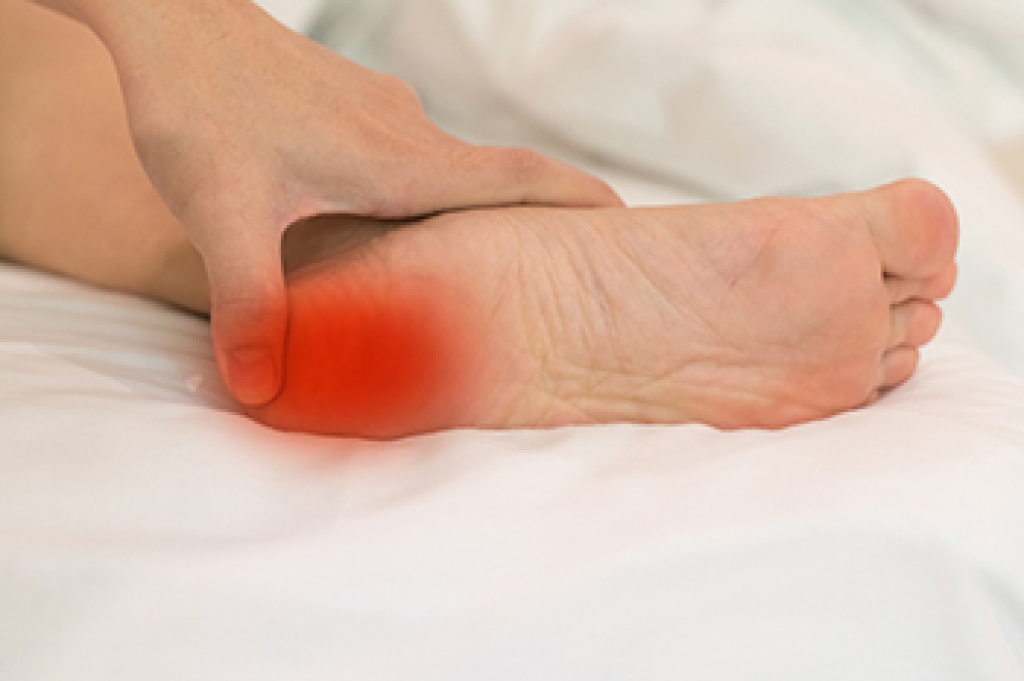
The medical name for the foot condition known as Sever’s disease is called calcaneal apophysitis. It can be a common ailment among physically active children and young teenagers, and it affects the growth plate in the heel. It happens because of changes that occur where the Achilles tendon attaches to the bone. This tendon is located in the lower half of the calf and overuse of the heel may cause pain while the cartilage changes to bone. Symptoms that often accompany this condition can include heel pain during physical activity and there may be a tendency to limp or tiptoe. Treatment often begins with temporarily stopping the activity that caused the condition and limiting the amount of weight that is put on the foot. It may be beneficial to perform specific stretches that can strengthen the entire foot and this can help accelerate the recovery time. If you notice your child is limping, please consult with a podiatrist who can properly diagnose Sever's disease and offer the correct treatment options.

Sever's disease often occurs in children and teens. If your child is experiencing foot or ankle pain, see Genine Befumo, DPM from University Foot and Ankle Center, L.L.C. Our doctor can treat your child’s foot and ankle needs.

Sever’s Disease

Sever’s disease is also known as calcaneal apophysitis, which is a medical condition that causes heel pain I none or both feet. The disease is known to affect children between the ages of 8 and 14.

Sever’s disease occurs when part of the child’s heel known as the growth plate (calcaneal epiphysis) is attached to the Achilles tendon. This area can suffer injury when the muscles and tendons of the growing foot do not keep pace with bone growth. Therefore, the constant pain which one experiences at the back of the heel will make the child unable to put any weight on the heel. The child is then forced to walk on their toes.

Symptoms

Acute pain – Pain associated with Sever’s disease is usually felt in the heel when the child engages in physical activity such as walking, jumping and or running.

Highly active – Children who are very active are among the most susceptible in experiencing Sever’s disease, because of the stress and tension placed on their feet.

If you have any questions, please feel free to contact our office located in Monroe Township, NJ . We offer the newest diagnostic and treatment technologies for all your foot care needs.

Read more about Sever's Disease

Reasons for Foot Cramps

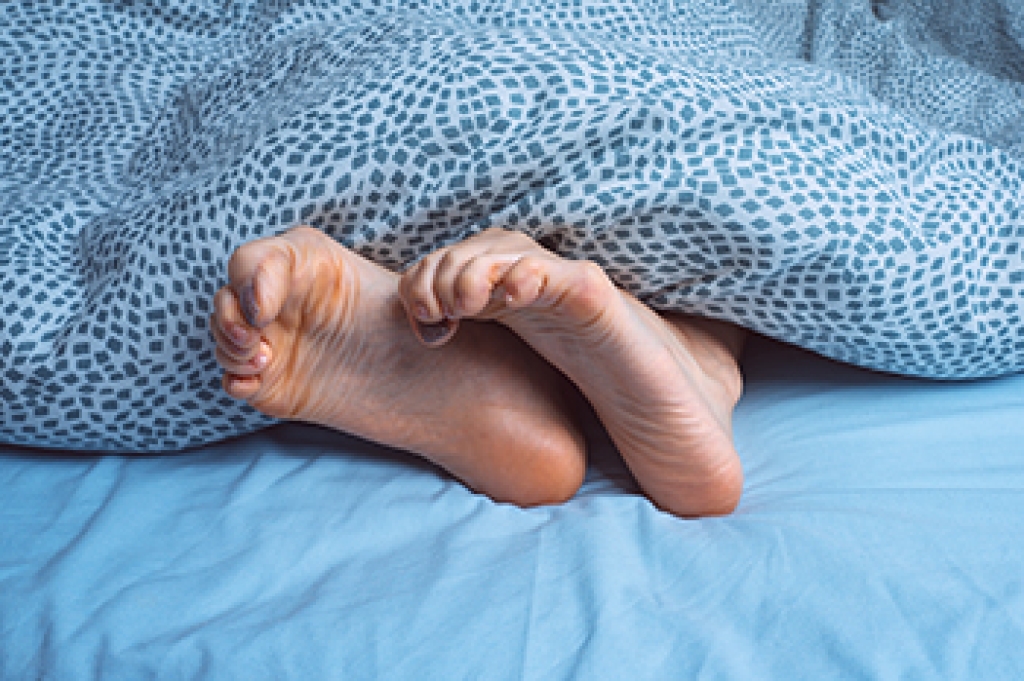
Any kind of foot cramp usually grabs our attention, mainly because it interferes with carrying out the activities of the day. If foot cramps start to become an ongoing occurrence, it may be a good idea to question why they are happening. One common cause of foot cramps is wearing shoes that are too tight. The reason is likely to be that blood circulation to the feet is being blocked. Cramps in the feet may also be the result of dehydration, which keeps the muscles from getting the water they need to function properly. This may be caused by an underlying condition or an infection. Overdoing exercise may result in foot cramps as the feet work extra hard to maintain your balance. Athletes, dancers, and workers who stand for long periods may experience this reaction. Among the other possible causes of foot cramps are pregnancy, low levels of electrolytes and other minerals, and nerve damage. If foot cramps become more frequent or severe, it is a good idea to visit a podiatrist who can determine the cause and offer ways to prevent or lessen them.

Foot Pain

Foot pain can be extremely painful and debilitating. If you have a foot pain, consult with Genine Befumo, DPM from University Foot and Ankle Center, L.L.C. Our doctor will assess your condition and provide you with quality foot and ankle treatment.

Causes

Foot pain is a very broad condition that could be caused by one or more ailments. The most common include:

  • Bunions
  • Hammertoes
  • Plantar Fasciitis
  • Bone Spurs
  • Corns
  • Tarsal Tunnel Syndrome
  • Ingrown Toenails
  • Arthritis (such as Gout, Rheumatoid, and Osteoarthritis)
  • Flat Feet
  • Injury (from stress fractures, broken toe, foot, ankle, Achilles tendon ruptures, and sprains)
  • And more

Diagnosis

To figure out the cause of foot pain, podiatrists utilize several different methods. This can range from simple visual inspections and sensation tests to X-rays and MRI scans. Prior medical history, family medical history, and any recent physical traumatic events will all be taken into consideration for a proper diagnosis.

Treatment

Treatment depends upon the cause of the foot pain. Whether it is resting, staying off the foot, or having surgery; podiatrists have a number of treatment options available for foot pain.

If you have any questions, please feel free to contact our office located in Monroe Township, NJ . We offer the newest diagnostic and treatment technologies for all your foot care needs.
Read more about Foot Pain

Are You Suffering From Ingrown Toenails?

If left untreated, an ingrown toenail can lead to more serious concerns, such as an infection. Knowing proper nail care can help in the prevention of an ingrown toenail. Give us a call, and get treated!

Signs of Peripheral Artery Disease

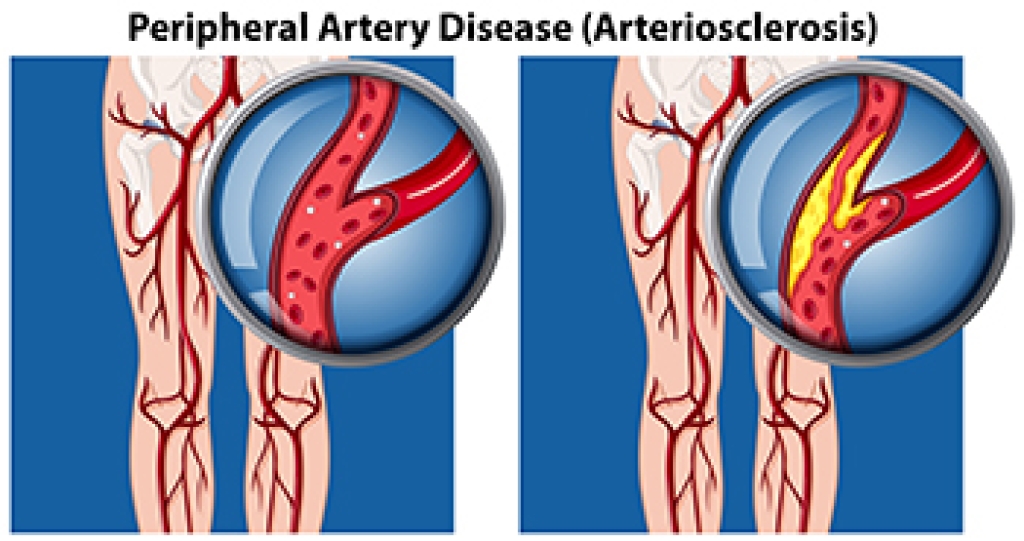
Peripheral artery disease, PAD, is a circulatory condition that affects the lower limbs and feet, among other extremities. It is the result of a buildup of fat and plaque in the artery walls that restricts blood flow. Signs that you may have peripheral artery disease include pain, numbness, and a feeling of coldness. In addition, if you have PAD, you may notice that minor wounds on the ankle or foot take an unusually long time to heal. You may be more at risk of having PAD if you are a diabetic, have high blood pressure or high cholesterol, and if you are a smoker. If left untreated, PAD can cause serious health problems, including gangrene and, in extreme cases, the loss of a limb. A podiatrist can examine your feet and ankles to determine if peripheral artery disease is the cause of your symptoms. Tests may include checking the pulse in the feet, as well as taking CT or ultrasound scans. For more information about peripheral artery disease in the feet, please contact a podiatrist.

Peripheral artery disease can pose a serious risk to your health. It can increase the risk of stroke and heart attack. If you have symptoms of peripheral artery disease, consult with Genine Befumo, DPM from University Foot and Ankle Center, L.L.C. Our doctor will assess your condition and provide you with quality foot and ankle treatment.

Peripheral artery disease (PAD) is when arteries are constricted due to plaque (fatty deposits) build-up. This results in less blood flow to the legs and other extremities. The main cause of PAD is atherosclerosis, in which plaque builds up in the arteries.

Symptoms

Symptoms of PAD include:

  • Claudication (leg pain from walking)
  • Numbness in legs
  • Decrease in growth of leg hair and toenails
  • Paleness of the skin
  • Erectile dysfunction
  • Sores and wounds on legs and feet that won’t heal
  • Coldness in one leg

It is important to note that a majority of individuals never show any symptoms of PAD.

Diagnosis

While PAD occurs in the legs and arteries, Podiatrists can diagnose PAD. Podiatrists utilize a test called an ankle-brachial index (ABI). An ABI test compares blood pressure in your arm to you ankle to see if any abnormality occurs. Ultrasound and imaging devices may also be used.

Treatment

Fortunately, lifestyle changes such as maintaining a healthy diet, exercising, managing cholesterol and blood sugar levels, and quitting smoking, can all treat PAD. Medications that prevent clots from occurring can be prescribed. Finally, in some cases, surgery may be recommended.

If you have any questions, please feel free to contact our office located in Monroe Township, NJ . We offer the newest diagnostic and treatment technologies for all your foot care needs.

Read more about Peripheral Artery Disease
Connect with us

our recent articles