Blog

Causes and Symptoms of Turf Toe in Athletes

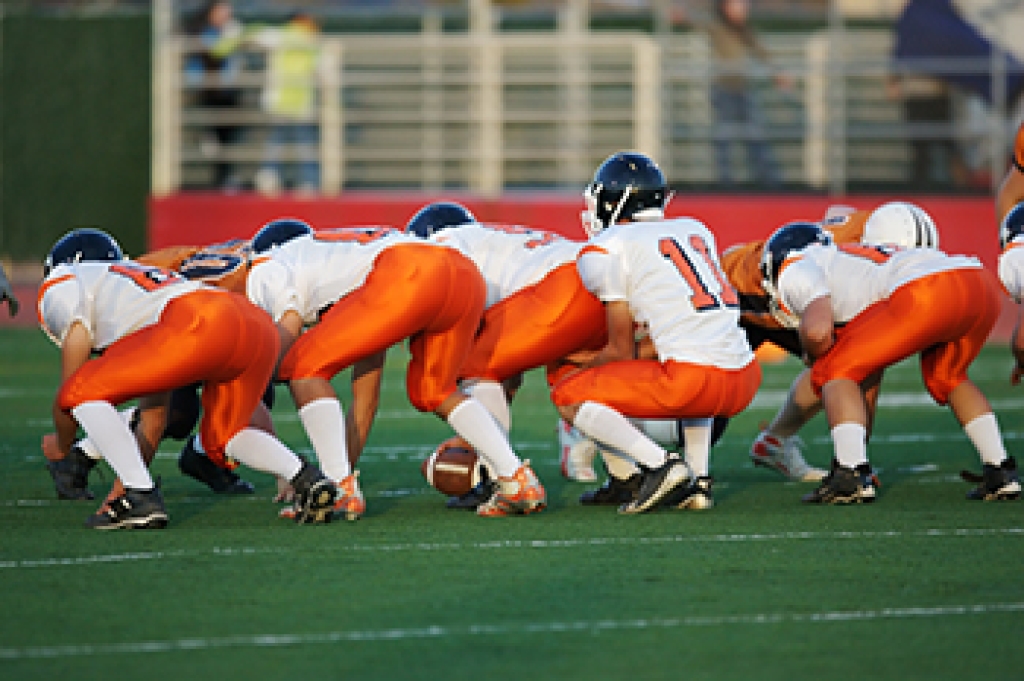
Turf toe occurs when the big toe is forced upward while the heel lifts, such as during a sprint or a sudden jump. This motion, which is common among athletes, strains the soft tissues surrounding the joint at the base of the toe. Playing on artificial turf increases the risk because the surface is firm and offers little shock absorption, which can make the toe bend back more unexpectedly. Sports that demand quick direction changes, pushing off the toes, or landing from a jump also place stress on this joint. Flexible shoes or flip-flops can make the big toe bend too far and lead to injury. A podiatrist can examine the toe joint, order imaging to look for damage, and offer treatment to protect the joint. If a tear is severe and pain does not improve, surgery may be needed to repair the area. If you have joint pain under the big toe, it is suggested that you schedule an appointment with a podiatrist for a diagnosis and appropriate treatment.

Toe pain can disrupt your daily activities. If you have any concerns, contact Genine Befumo, DPM of University Foot and Ankle Center, L.L.C. Our doctor can provide the care you need to keep you pain-free and on your feet.

What Causes Toe Pain?

Most severe toe pain is caused due to a sports injury, trauma from dropping something heavy on the toe, or bumping into something rigid. Other problems can develop over time for various reasons.

Toe pain can be caused by one or more ailments. The most common include:

  • Trauma
  • Sports injury
  • Wearing shoes that are too tight
  • Arthritis
  • Gout
  • Corns and calluses
  • Hammertoe
  • Bunions
  • Blisters
  • Ingrown toenails
  • Sprains
  • Fractures (broken bones)
  • Dislocations

When to See a Podiatrist

  • Severe pain
  • Persistent pain that lasts more than a week
  • Signs of infection
  • Continued swelling
  • Pain that prevents walking

Diagnosis

In many cases the cause of toe pain is obvious, but in others, a podiatrist may want to use more advanced methods to determine the problem. These can range from simple visual inspections and sensation tests to X-rays and MRI scans. Prior medical history, family medical history, and any recent physical traumatic events will all be taken into consideration for a proper diagnosis.

Treatment

Treatments for toe pain and injuries vary and may include shoe inserts, padding, taping, medicines, injections, and in some cases, surgery. If you believe that you have broken a toe, please see a podiatrist as soon as possible.

If you have any questions please contact our office located in Monroe Township, NJ . We offer the newest diagnostic and treatment technologies for all your foot and ankle needs.
Read more about Toe Pain

Athlete’s Foot and How to Protect Your Skin

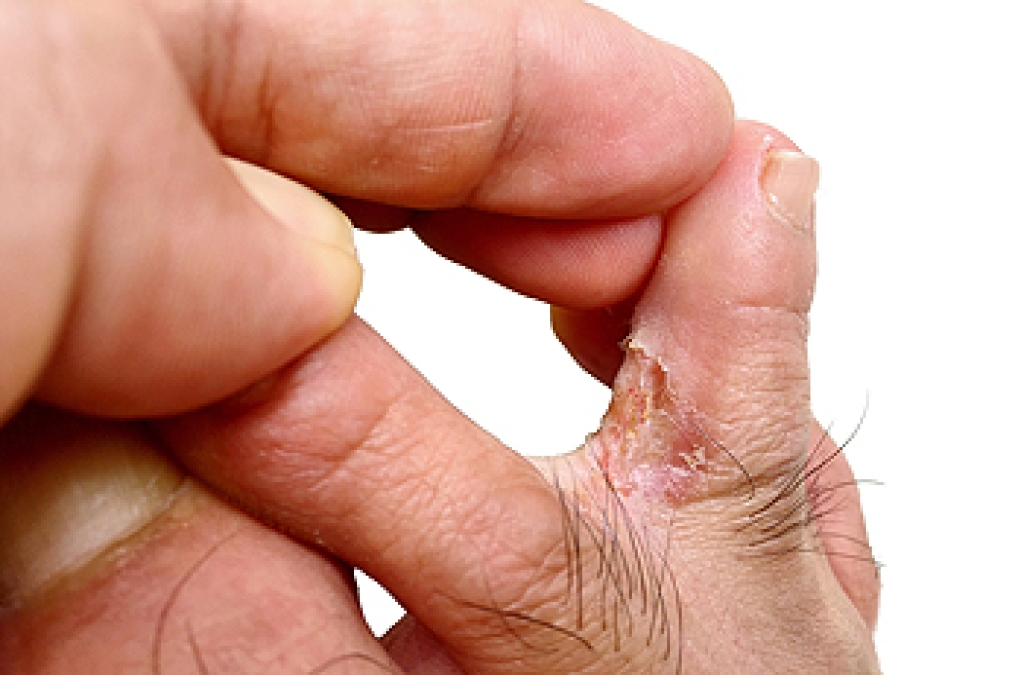
Athlete’s foot is a common fungal infection that affects the skin on the feet, usually beginning between the toes. It develops in warm and moist environments and can cause itching, redness, peeling, burning, and an unpleasant odor. Causes include exposure to fungi in shared showers, locker rooms, or damp surfaces. Risk factors include wearing sweaty socks, weaning tight shoes, or walking barefoot in public places. If not treated, the infection can spread to the toenails or other areas of the body. A podiatrist can diagnose the condition, provide effective treatment, and offer guidance to prevent future infections. If you notice signs of athlete’s foot, it is suggested that you consult a podiatrist who can offer effective treatment solutions, which may include prescribed medication.

Athlete’s Foot

Athlete’s foot is often an uncomfortable condition to experience. Thankfully, podiatrists specialize in treating athlete’s foot and offer the best treatment options. If you have any questions about athlete’s foot, consult with Genine Befumo, DPM from University Foot and Ankle Center, L.L.C. Our doctor will assess your condition and provide you with quality treatment.

What Is Athlete’s Foot?

Tinea pedis, more commonly known as athlete’s foot, is a non-serious and common fungal infection of the foot. Athlete’s foot is contagious and can be contracted by touching someone who has it or infected surfaces. The most common places contaminated by it are public showers, locker rooms, and swimming pools. Once contracted, it grows on feet that are left inside moist, dark, and warm shoes and socks.

Prevention

The most effective ways to prevent athlete’s foot include:

  • Thoroughly washing and drying feet
  • Avoid going barefoot in locker rooms and public showers
  • Using shower shoes in public showers
  • Wearing socks that allow the feet to breathe
  • Changing socks and shoes frequently if you sweat a lot

Symptoms

Athlete’s foot initially occurs as a rash between the toes. However, if left undiagnosed, it can spread to the sides and bottom of the feet, toenails, and if touched by hand, the hands themselves. Symptoms include:

  • Redness
  • Burning
  • Itching
  • Scaly and peeling skin

Diagnosis and Treatment

Diagnosis is quick and easy. Skin samples will be taken and either viewed under a microscope or sent to a lab for testing. Sometimes, a podiatrist can diagnose it based on simply looking at it. Once confirmed, treatment options include oral and topical antifungal medications.

If you have any questions, please feel free to contact our office located in Monroe Township, NJ . We offer the newest diagnostic and treatment technologies for all your foot care needs.

Read more about How to Deal with Athlete's Foot

How Type Two Diabetes Can Change the Skin on Your Feet

Type two diabetes can influence the health of the skin on the feet in ways that often develop slowly, but deserve early attention. Higher blood sugar levels may lead to dryness, cracking, slow healing, and a greater chance of infection. Some individuals notice dark, velvety patches, redness, or persistent itching related to circulation concerns or nerve changes. Others experience thickened skin on pressure points or recurring fungal infections that do not clear easily. These changes may signal that the skin is becoming less able to protect the feet and maintain normal healing. Addressing these issues promptly supports comfort and long-term foot health. If your feet are dry, have unusual discoloration, sores that do not heal, or repeated infections on your feet, it is suggested that you see a podiatrist for expert guidance and management tips.

Wound care is an important part in dealing with diabetes. If you have diabetes and a foot wound or would like more information about wound care for diabetics, consult with Genine Befumo, DPM from University Foot and Ankle Center, L.L.C. Our doctor will assess your condition and provide you with quality foot and ankle treatment.

What Is Wound Care?

Wound care is the practice of taking proper care of a wound. This can range from the smallest to the largest of wounds. While everyone can benefit from proper wound care, it is much more important for diabetics. Diabetics often suffer from poor blood circulation which causes wounds to heal much slower than they would in a non-diabetic. 

What Is the Importance of Wound Care?

While it may not seem apparent with small ulcers on the foot, for diabetics, any size ulcer can become infected. Diabetics often also suffer from neuropathy, or nerve loss. This means they might not even feel when they have an ulcer on their foot. If the wound becomes severely infected, amputation may be necessary. Therefore, it is of the upmost importance to properly care for any and all foot wounds.

How to Care for Wounds

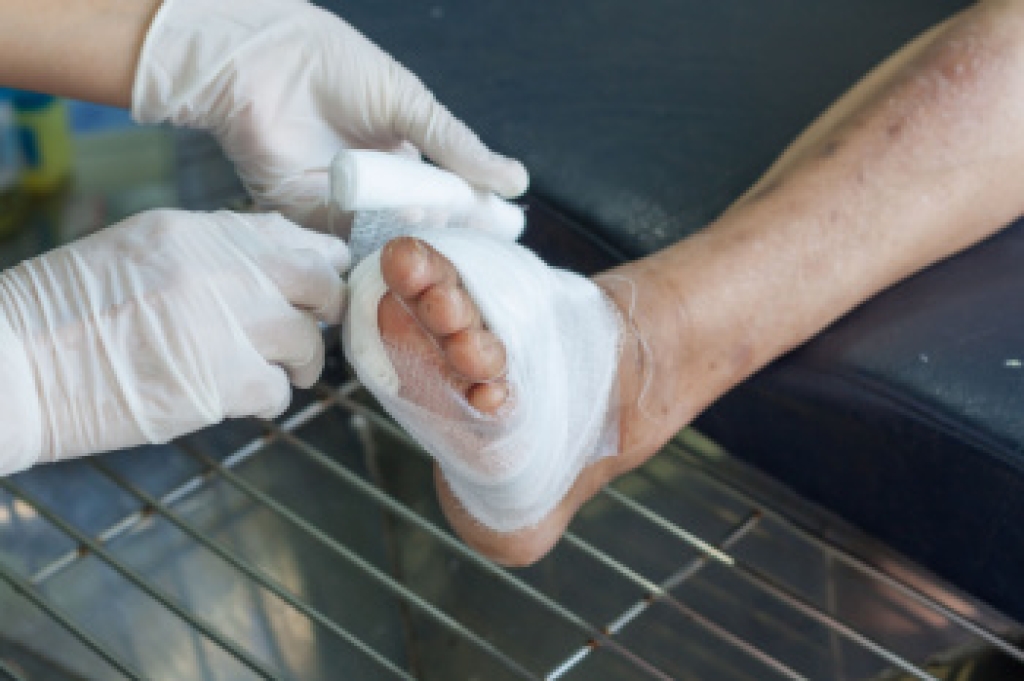
The best way to care for foot wounds is to prevent them. For diabetics, this means daily inspections of the feet for any signs of abnormalities or ulcers. It is also recommended to see a podiatrist several times a year for a foot inspection. If you do have an ulcer, run the wound under water to clear dirt from the wound; then apply antibiotic ointment to the wound and cover with a bandage. Bandages should be changed daily and keeping pressure off the wound is smart. It is advised to see a podiatrist, who can keep an eye on it.

If you have any questions please contact our office located in Monroe Township, NJ . We offer the newest diagnostic and treatment technologies for all your foot and ankle needs.
Read more about Wound Care

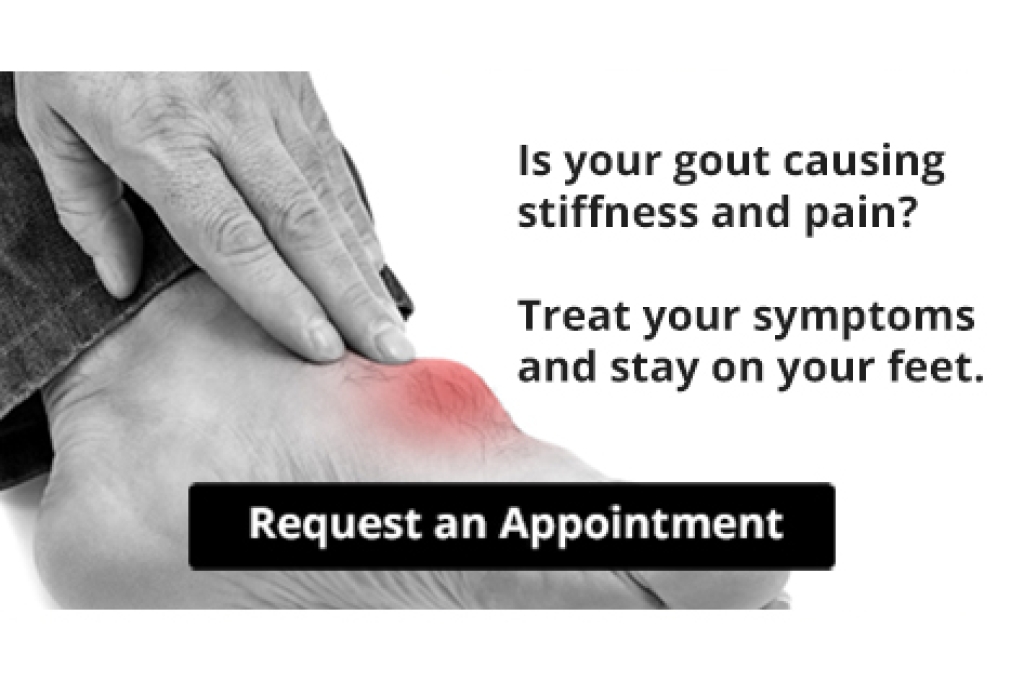
Gout Pain Can Be Managed

Gout is a painful, inflammatory form of arthritis. Those affected will typically feel an intense stiffness in the joints of their feet, particularly in the big toe. Schedule a visit to learn about how gout can be managed and treated.

What You Should Know About Peripheral Artery Disorders

Peripheral artery disorders occur when circulation to the legs and feet becomes restricted because the arteries have narrowed or hardened. As blood flow decreases, the muscles and skin do not receive enough oxygen, leading to cramping during activity, fatigue in the calves, or a heavy feeling that improves with rest. Some people notice their feet feel cooler than usual or see wounds taking much longer to heal. These circulation problems often develop gradually and are influenced by aging, smoking, diabetes, high cholesterol, and high blood pressure. Recognizing the early signs matters because untreated poor circulation can lead to infections or chronic ulcers. With proper diagnosis, treatment options can improve comfort and help protect long-term mobility. If you notice persistent foot discomfort, numbness, or slow-healing sores, it is suggested that you see a podiatrist for an evaluation and appropriate care.

Peripheral artery disease can pose a serious risk to your health. It can increase the risk of stroke and heart attack. If you have symptoms of peripheral artery disease, consult with Genine Befumo, DPM from University Foot and Ankle Center, L.L.C. Our doctor will assess your condition and provide you with quality foot and ankle treatment.

Peripheral artery disease (PAD) is when arteries are constricted due to plaque (fatty deposits) build-up. This results in less blood flow to the legs and other extremities. The main cause of PAD is atherosclerosis, in which plaque builds up in the arteries.

Symptoms

Symptoms of PAD include:

  • Claudication (leg pain from walking)
  • Numbness in legs
  • Decrease in growth of leg hair and toenails
  • Paleness of the skin
  • Erectile dysfunction
  • Sores and wounds on legs and feet that won’t heal
  • Coldness in one leg

It is important to note that a majority of individuals never show any symptoms of PAD.

Diagnosis

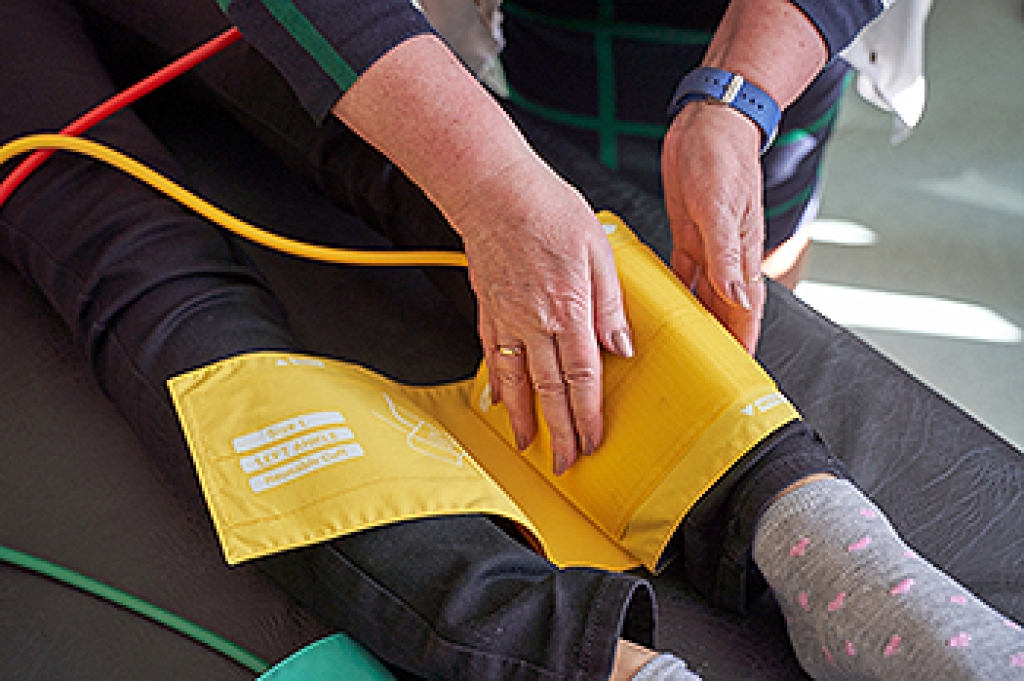
While PAD occurs in the legs and arteries, Podiatrists can diagnose PAD. Podiatrists utilize a test called an ankle-brachial index (ABI). An ABI test compares blood pressure in your arm to you ankle to see if any abnormality occurs. Ultrasound and imaging devices may also be used.

Treatment

Fortunately, lifestyle changes such as maintaining a healthy diet, exercising, managing cholesterol and blood sugar levels, and quitting smoking, can all treat PAD. Medications that prevent clots from occurring can be prescribed. Finally, in some cases, surgery may be recommended.

If you have any questions, please feel free to contact our office located in Monroe Township, NJ . We offer the newest diagnostic and treatment technologies for all your foot care needs.

Read more about Peripheral Artery Disease
Connect with us

our recent articles