
Blog

How Aging Impacts Foot Health

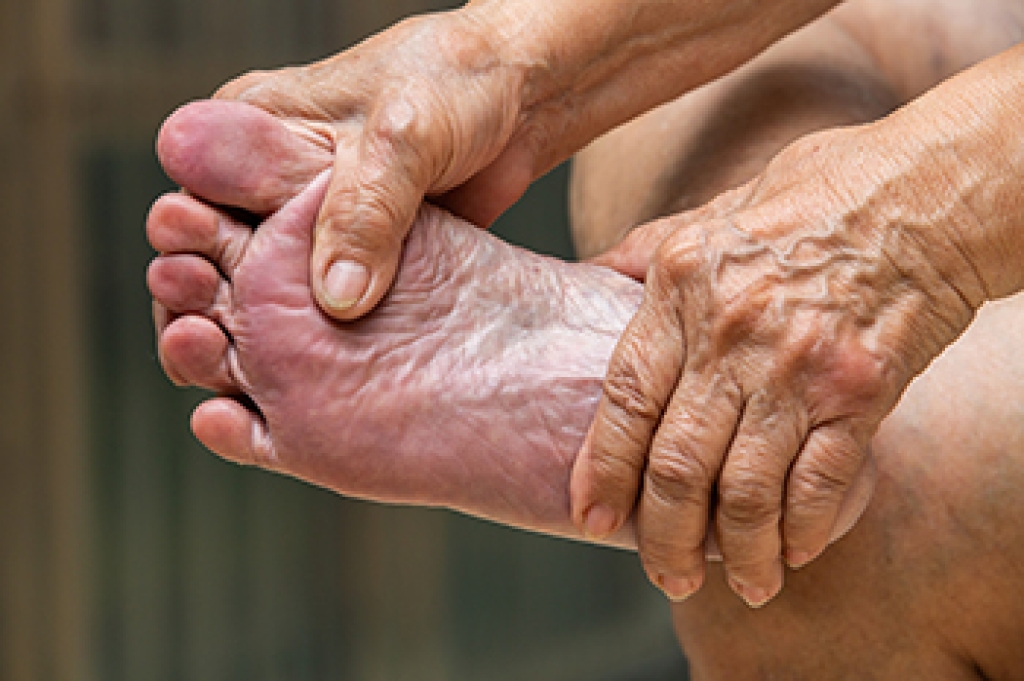
As people age, their feet often experience significant changes that can lead to various issues. Dry skin is a common problem, as decreased moisture and thinner skin can lead to cracking and discomfort. Flat feet may develop or worsen, as the arch tends to flatten over time due to weakened ligaments and tendons. Hammertoe is another prevalent condition where the toes become bent and rigid, causing pain and difficulty in walking. Additionally, the Achilles tendon can shorten and become less flexible with age, leading to heel pain and limited mobility. To manage these issues, it is important to keep feet moisturized, choose supportive footwear, and perform stretching exercises to maintain flexibility. If you are elderly or are caring for a senior citizen, it is suggested that you schedule regular appointments with a podiatrist who can treat any foot condition, and monitor foot health.

Proper foot care is something many older adults forget to consider. If you have any concerns about your feet and ankles, contact Genine Befumo, DPM from University Foot and Ankle Center, L.L.C. Our doctor can provide the care you need to keep you pain-free and on your feet.

The Elderly and Their Feet

As we age we start to notice many changes in our body, but the elder population may not notice them right away. Medical conditions may prevent the elderly to take notice of their foot health right away. Poor vision is a lead contributor to not taking action for the elderly.

Common Conditions 

  • Neuropathy – can reduce feeling in the feet and can hide many life-threatening medical conditions.
  • Reduced flexibility – prevents the ability of proper toenail trimming, and foot cleaning. If left untreated, it may lead to further medical issues.
  • Foot sores – amongst the older population can be serious before they are discovered. Some of the problematic conditions they may face are:
  • Gouging toenails affecting nearby toe
  • Shoes that don’t fit properly
  • Pressure sores
  • Loss of circulation in legs & feet
  • Edema & swelling of feet and ankles

Susceptible Infections

Diabetes and poor circulation can cause general loss of sensitivity over the years, turning a simple cut into a serious issue.

If you have any questions, please feel free to contact our office located in Monroe Township, NJ . We offer the newest diagnostic and treatment technologies for all your foot care needs.
Read more about Elderly and their Feet

How Shoes Can Affect Your Foot Health

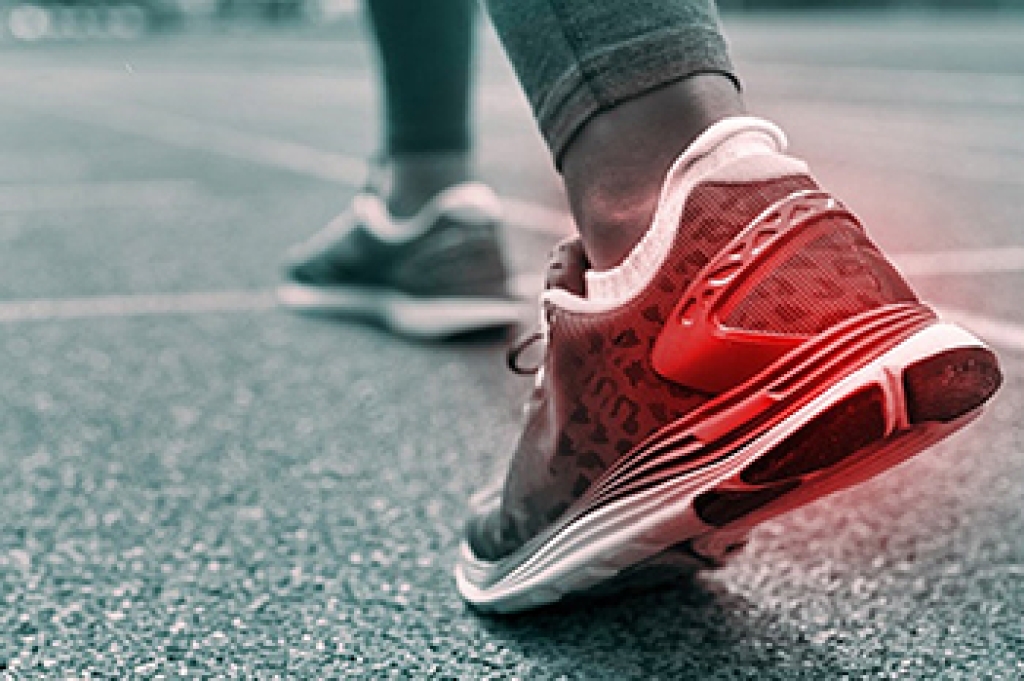
Selecting the right footwear is essential for maintaining foot health and preventing foot-related problems. Ill-fitting shoes can lead to issues such as calluses, corns, blisters and even more serious conditions like bunions and posture-related pain. If you spend a lot of time standing or walking on hard surfaces, such as concrete, opt for shoes with softer soles and supportive insoles to distribute pressure evenly. Lace-up boots can help maintain proper foot alignment and reduce soreness. However, ensure they fit well around the ankle to prevent movement restriction. High heels can cause excessive stress on your feet and alter your posture, leading to long-term discomfort. Sports enthusiasts should choose shoes that offer adequate cushioning and support to absorb shock and prevent injuries. Custom shoe inserts prescribed by a podiatrist can provide personalized support and improve foot posture, while helping to decrease pain. Alternating between different pairs of shoes can help prolong their lifespan and promote foot health. If you have foot pain that may be related to your choice of footwear, it is suggested that you schedule an appointment with a podiatrist for a diagnosis and treatment.

Everyday foot care is very important to prevent infection and other foot ailments. If you need your feet checked, contact Genine Befumo, DPM from University Foot and Ankle Center, L.L.C. Our doctor can provide the care you need to keep you pain-free and on your feet.

Everyday Foot Care

Often, people take care of their bodies, face and hair more so than they do for their feet. But the feet are a very important aspect of our bodies, and one that we should pay more attention to. Without our feet, we would not be able to perform most daily tasks.

It is best to check your feet regularly to make sure there are no new bruises or cuts that you may not have noticed before. For dry feet, moisturizer can easily be a remedy and can be applied as often as necessary to the affected areas. Wearing shoes that fit well can also help you maintain good foot health, as well as making it easier to walk and do daily activities without the stress or pain of ill-fitting shoes, high heels, or even flip flops. Wearing clean socks with closed shoes is important to ensure that sweat and bacteria do not accumulate within the shoe. Clean socks help to prevent Athlete’s foot, fungi problems, bad odors, and can absorb sweat.

If you have any questions, please feel free to contact our office located in Monroe Township, NJ . We offer the newest diagnostic and treatment technologies for all your foot care needs.
Read more about Every Day Foot Care

Causes and Concerns About Swollen Feet and Ankles

Swollen feet and ankles can result from several underlying conditions. Phlebitis, which involves inflammation of the veins, often causes localized swelling and pain. Venous insufficiency, a condition where veins struggle to return blood to the heart, leads to fluid buildup in the lower extremities. Pregnancy can also contribute to swelling due to increased blood volume and pressure on the veins from the growing uterus. Additionally, heart failure may cause fluid to accumulate in the feet and ankles because the heart cannot pump effectively. Identifying the cause of swelling is vital for proper treatment and management. If swelling is persistent or accompanied by other symptoms, it is suggested that you consult a podiatrist to determine the underlying issue and receive appropriate care.

Swollen feet can be a sign of an underlying condition. If you have any concerns, contact Genine Befumo, DPM of University Foot and Ankle Center, L.L.C. Our doctor can provide the care you need to keep you pain-free and on your feet.

Swollen feet are a common ailment among pregnant women and people who stand or sit for extended periods. Aging may increase the possibility of swollen feet and patients who are obese often notice when their feet are swelling too. There may be medical reasons why swollen feet occur:

  • Phlebitis - A condition that causes the veins to become inflamed and can also cause leg pain.
  • Liver disease - This may lead to low blood levels of albumin which is a protein. This can cause fluid in the blood to pass into the tissues and several areas of the body can become swollen.
  • Heart failure - When the heart doesn’t pump properly the blood that is normally pumped back to the heart can pool in the veins of the legs causing swollen feet.
  • Kidney disease - One of the main functions of the kidneys is releasing excess fluid in the body. This type of condition can make it difficult for the kidneys to function properly, and as a result the feet may become swollen.
  • Deep-vein thrombosis (DVT)- This is a serious condition where blood clots form in the veins of the legs. They can block the return of blood from the legs to the heart which may cause the feet to swell. It is important to be treated by a podiatrist if this condition is present.

Swollen feet can also be caused by bone and tendon conditions, including fractures, arthritis, and tendinitis. Additionally, there may be skin and toenail conditions and an infection may cause the feet to swell. Patients who take medicine to treat high blood pressure may be prone to getting swollen feet. 

Many patients elevate their feet to help relieve the swelling and this is generally a temporary remedy. When a podiatrist is consulted the reason behind the swelling can be uncovered and subsequently treated.

If you have any questions please contact our office located in Monroe Township, NJ . We offer the newest diagnostic and treatment technologies for all your foot and ankle needs.

Read more about Swelling of the Feet

Wounds That Don't Heal Need to Be Checked

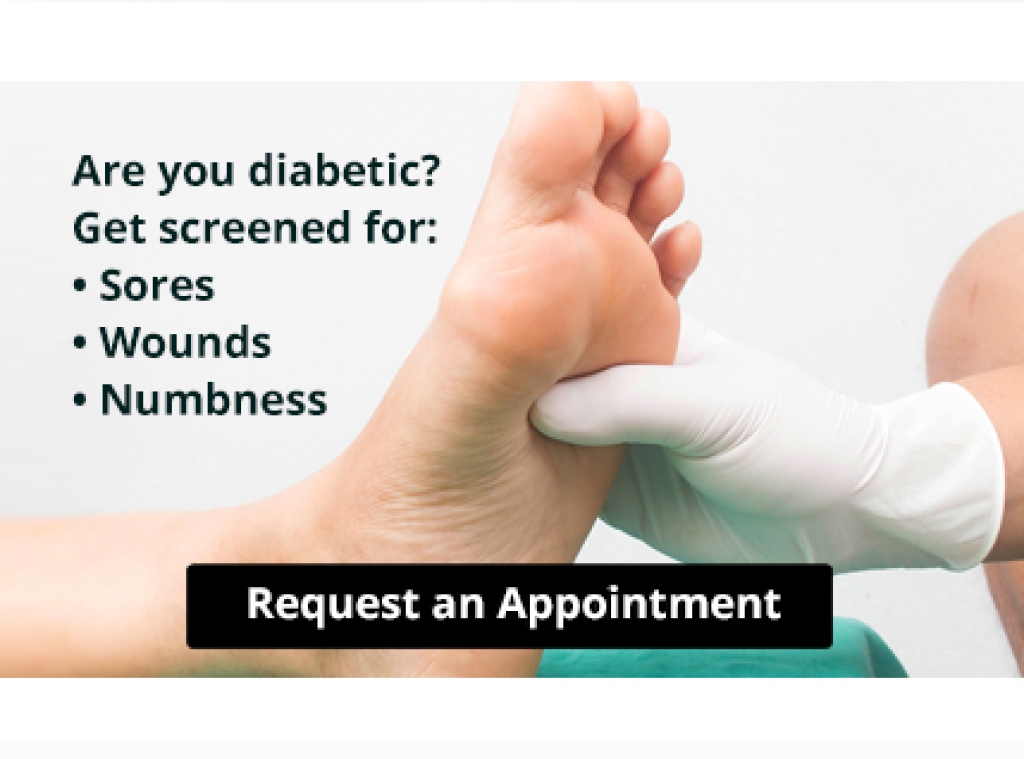
Your feet are covered most of the day. If you're diabetic, periodic screening is important for good health. Numbness is often a sign of diabetic foot and can mask a sore or wound.

Wounds That Don't Heal Need to Be Checked

Your feet are covered most of the day. If you're diabetic, periodic screening is important for good health. Numbness is often a sign of diabetic foot and can mask a sore or wound.

Connect with us

our recent articles