
Blog

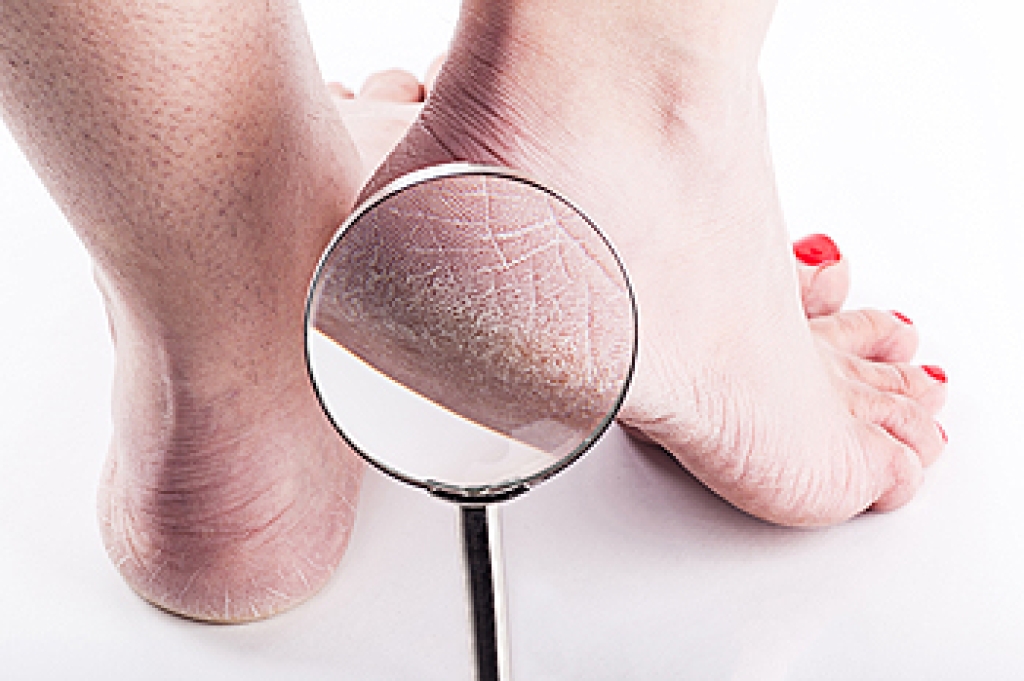
Can Winter Cause Cracked Heels?

Winter can bring on many ailments, including skin on the heels that split, which is often referred to as cracked heels. Typically, this originates from dry skin, and the cold weather may cause the skin to lose moisture. If this is coupled with other conditions, such as diabetes or circulation issues, the results may lead to developing cracked heels. There are several symptoms of this ailment, often including itching, and the skin becoming thick and possibly flaking. If the fissures, or cracks, in the skin become severe, the possibility of an infection may occur. Prevention of this condition can consist of utilizing a moisturizer on your feet while paying extra attention when applying cream to the heels. Recent research has suggested that eating a diet consisting of fruits and vegetables may help to prevent cracked heels from the inside out. Please consider a consultation with a podiatrist if you have cracked heels and would like additional information.

Cracked heels are unsightly and can cause further damage to your shoes and feet. If you have any concerns, contact Genine Befumo, DPM from University Foot and Ankle Center, L.L.C. Our doctor can provide the care you need to keep you pain-free and on your feet.

Cracked Heels

Cracked heels appear unappealing and can make it harder for you walk around in sandals. Aside from looking unpleasant, cracked heels can also tear stockings, socks, and wear out your shoes. There are several methods to help restore a cracked heel and prevent further damage.

How Do You Get Them?

Dry skin is the number one culprit in creating cracked heels. Many athletes, walkers, joggers, and even swimmers suffer from cracked heels. Age and skin oil production play a role to getting cracked heels as well.

Promote Healing

Over the counter medicines can help, especially for those that need instant relief or who suffer from chronic dry feet.

Wear Socks – Wearing socks with medicated creams helps lock in moisture.

Moisturizers – Applying both day and night will help alleviate dryness which causes cracking.

Pumice Stones – These exfoliate and remove dead skin, which allows for smoother moisturizer application and better absorption into the skin. 

Change in Diet

Eating healthy with a well-balanced diet will give the skin a fresh and radiant look. Your body responds to the kinds of food you ingest. Omega-3 fatty acids and zinc supplements can also revitalize skin tissue.

Most importantly, seek professional help if unsure how to proceed in treating cracked heels. A podiatrist will help you with any questions or information needed. 

If you have any questions, please feel free to contact our office located in Monroe Township, NJ . We offer the newest diagnostic and treatment technologies for all your foot care needs.

Read more about Solutions for Cracked Heels

It's Time for Beautiful Feet

You don't need an excuse to have beautiful nails. Step outside without worrying about the appearance of your feet.

How Does A Gout Attack Happen?

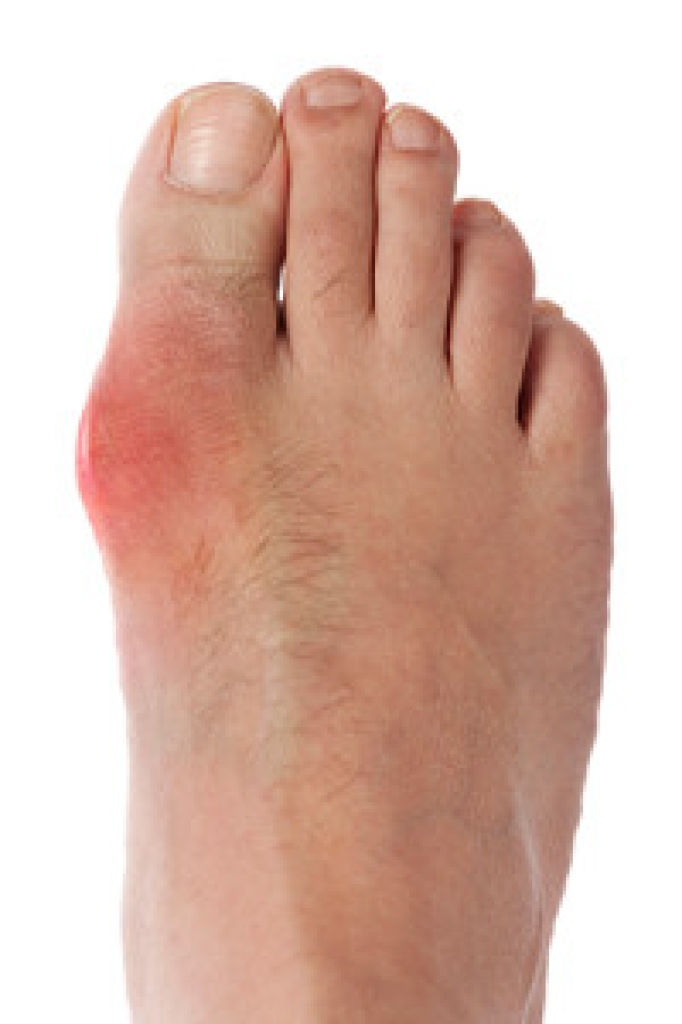
If you feel severe pain in your toe and it looks swollen and red, you may have a condition referred to as gout. This ailment is triggered by a buildup of uric acid in the blood, causing small crystals to form and lodge in the joints of the big toe. This tends to result in inflammation, and it can cause severe pain. The symptoms may be erratic and can last for a few days before disappearing for long periods of time. Recent research suggests that causes of this condition may include a diet consisting of excess red meat, shellfish, and large amounts of alcohol, in addition to experiencing poor kidney function. Contributing factors for this ailment may include having high blood pressure and being overweight. If you experience a gout attack, please schedule a consultation with a podiatrist for additional information and correct treatment options.

Gout is a foot condition that requires certain treatment and care. If you are seeking treatment, contact Genine Befumo, DPM from University Foot and Ankle Center, L.L.C. Our doctor will treat your foot and ankle needs.

What Is Gout?

Gout is a type of arthritis caused by a buildup of uric acid in the bloodstream. It often develops in the foot, especially the big toe area, although it can manifest in other parts of the body as well. Gout can make walking and standing very painful and is especially common in diabetics and the obese.

People typically get gout because of a poor diet. Genetic predisposition is also a factor. The children of parents who have had gout frequently have a chance of developing it themselves.

Gout can easily be identified by redness and inflammation of the big toe and the surrounding areas of the foot. Other symptoms include extreme fatigue, joint pain, and running high fevers. Sometimes corticosteroid drugs can be prescribed to treat gout, but the best way to combat this disease is to get more exercise and eat a better diet.

If you have any questions, please feel free to contact our office located in Monroe Township, NJ . We offer the newest diagnostic and treatment technologies for all your foot care needs.
Read more about Everything You Need to Know About Gout

How High Heels Affect Runners’ Feet

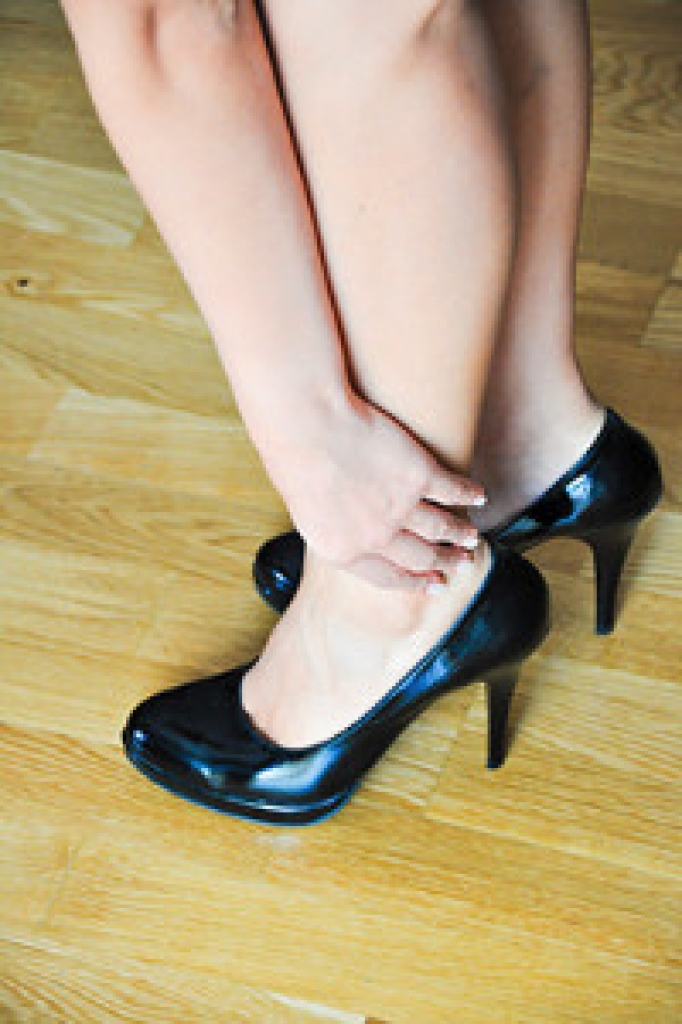
If you choose to wear high heels frequently, you may experience pain that’s common among those selecting to wear this type of shoe. Typically, when high heels are worn, the ankles bend forward, often affecting the circulation in the feet. Most runners are aware of how the arches are affected from wearing high heels and may experience aches and pains in the calves. There are several options available that may help the feet feel their best while running, one of which is limiting the time high heels are worn. It’s important to rest your feet between runs, and this is often accomplished by wearing supportive shoes. Performing proper exercises that stretch and strengthen the feet is beneficial in keeping the feet healthy and may allow the sport of running to be enjoyed to its full potential.

High heels have a history of causing foot and ankle problems. If you have any concerns about your feet or ankles, contact Genine Befumo, DPM from University Foot and Ankle Center, L.L.C. Our doctor can provide the care you need to keep you pain-free and on your feet.

Effects of High Heels on the Feet

High heels are popular shoes among women because of their many styles and societal appeal.  Despite this, high heels can still cause many health problems if worn too frequently.

Which Parts of My Body Will Be Affected by High Heels?

  • Ankle Joints
  • Achilles Tendon – May shorten and stiffen with prolonged wear
  • Balls of the Feet
  • Knees – Heels cause the knees to bend constantly, creating stress on them
  • Back – They decrease the spine’s ability to absorb shock, which may lead to back pain.  The vertebrae of the lower back may compress.

What Kinds of Foot Problems Can Develop from Wearing High Heels?

  • Corns
  • Calluses
  • Hammertoe
  • Bunions
  • Morton’s Neuroma
  • Plantar Fasciitis

How Can I Still Wear High Heels and Maintain Foot Health?

If you want to wear high heeled shoes, make sure that you are not wearing them every day, as this will help prevent long term physical problems.  Try wearing thicker heels as opposed to stilettos to distribute weight more evenly across the feet.  Always make sure you are wearing the proper shoes for the right occasion, such as sneakers for exercising.  If you walk to work, try carrying your heels with you and changing into them once you arrive at work.  Adding inserts to your heels can help cushion your feet and absorb shock. Full foot inserts or metatarsal pads are available. 

If you have any questions, please feel free to contact our office located in Monroe Township, NJ . We offer the newest diagnostic and treatment technologies for all your foot care needs.

Read more about Effect of High Heels on the Feet

Heel Pain Can Be Treated!

Do you suffer from heel pain when you get up in the morning? If so, you should seek professional help and have a proper diagnosis performed. Heel pain can be caused by several different foot-related conditions.

Connect with us

our recent articles