Blog

How to Avoid Athlete’s Foot

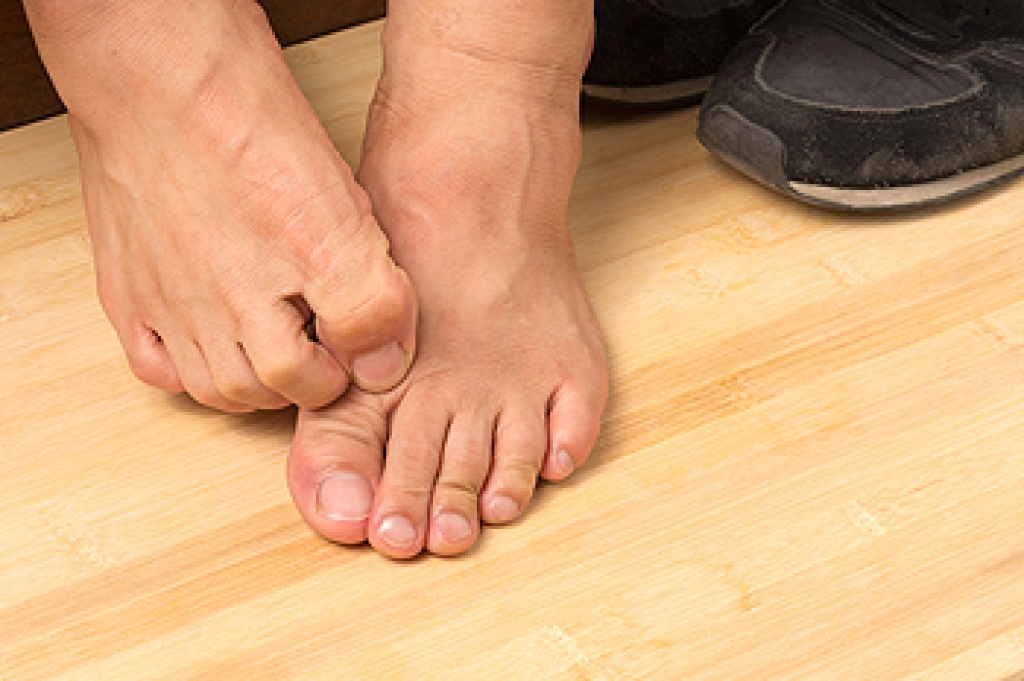
The fungus that causes athlete’s foot thrives in damp, dark, and warm places. That’s why you can contract athlete’s foot in locker rooms, changing areas in public pools, and other wet places where a lot of people walk or stand. Unsanitary practices in professional nail salons can also expose you to athlete’s foot. Mild cases typically present as fissures or patches between the toes, followed by itchy and red skin if the infection gets worse. You may experience blisters that can swell up between the toes or even on the bottoms of the feet and toenails. In the worst cases of athlete’s foot, you may develop a rash on the soles of the feet and there may be pus and an unpleasant order. To avoid athlete’s foot, you should always keep your feet clean and dry, change your socks daily, avoid sharing personal nail tools, and wear sandals in any wet, communal public place. If antifungal creams and powders do not get rid of the infection after two weeks, or your skin is peeling, itchy and covered in blisters, it is suggested that you seek the care of a podiatrist who can devise a successful treatment plan for you.

Athlete’s foot is an inconvenient condition that can be easily reduced with the proper treatment. If you have any concerns about your feet and ankles, contact Genine Befumo, DPM from University Foot and Ankle Center, L.L.C.  Our doctor will treat your foot and ankle needs.

Athlete’s Foot: The Sole Story

Athlete's foot, also known as tinea pedis, can be an extremely contagious foot infection. It is commonly contracted in public changing areas and bathrooms, dormitory style living quarters, around locker rooms and public swimming pools, or anywhere your feet often come into contact with other people.

Solutions to Combat Athlete’s Foot

  • Hydrate your feet by using lotion
  • Exfoliate
  • Buff off nails
  • Use of anti-fungal products
  • Examine your feet and visit your doctor if any suspicious blisters or cuts develop

Athlete’s foot can cause many irritating symptoms such as dry and flaking skin, itching, and redness. Some more severe symptoms can include bleeding and cracked skin, intense itching and burning, and even pain when walking. In the worst cases, Athlete’s foot can cause blistering as well. Speak to your podiatrist for a better understanding of the different causes of Athlete’s foot, as well as help in determining which treatment options are best for you.

If you have any questions please feel free to contact our office located in Monroe Township, NJ . We offer the newest diagnostic and treatment technologies for all your foot and ankle needs.
Read more about Athlete's Foot

Understanding Plantar Fasciitis and How to Find Relief

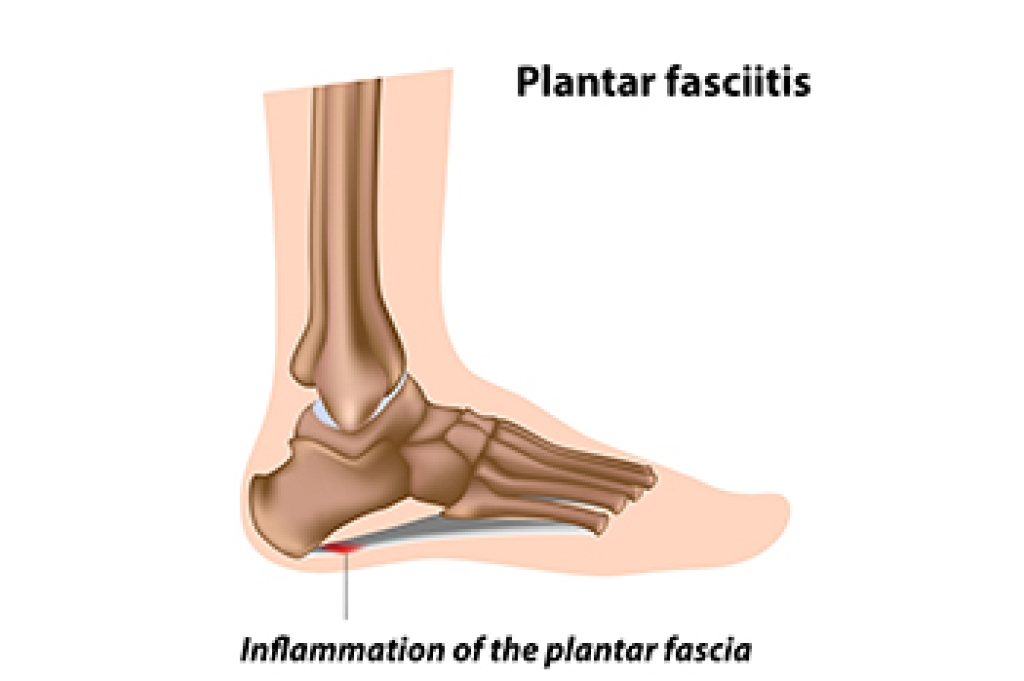
Plantar fasciitis is caused by inflammation of the plantar fascia, a thick band of tissue connecting the heel to the toes. Risk factors include obesity, prolonged standing, high impact activities, flat feet, high arches, and tight calf muscles. Symptoms often involve sharp heel pain, especially with the first steps in the morning or after periods of rest, as well as swelling and stiffness. Causes include overuse, poor footwear, sudden increases in activity, or biomechanical imbalances. A podiatrist can diagnose the condition, recommend supportive footwear or orthotics, provide stretching exercises, and offer treatments to reduce inflammation and restore mobility. If you have heel pain, it is strongly suggested that you promptly contact a podiatrist who can accurately diagnose and treat what may be going on.

Plantar fasciitis can be very painful and inconvenient. If you are experiencing heel pain or symptoms of plantar fasciitis, contact Genine Befumo, DPM  from University Foot and Ankle Center, L.L.C. Our doctor can provide the care you need to keep you pain-free and on your feet.

What Is Plantar Fasciitis?

Plantar fasciitis is the inflammation of the thick band of tissue that runs along the bottom of your foot, known as the plantar fascia, and causes mild to severe heel pain.

What Causes Plantar Fasciitis?

  • Excessive running
  • Non-supportive shoes
  • Overpronation
  • Repeated stretching and tearing of the plantar fascia

How Can It Be Treated?

  • Conservative measures – anti-inflammatories, ice packs, stretching exercises, physical therapy, orthotic devices
  • Shockwave therapy – sound waves are sent to the affected area to facilitate healing and are usually used for chronic cases of plantar fasciitis
  • Surgery – usually only used as a last resort when all else fails. The plantar fascia can be surgically detached from the heel

While very treatable, plantar fasciitis is definitely not something that should be ignored. Especially in severe cases, speaking to your doctor right away is highly recommended to avoid complications and severe heel pain. Your podiatrist can work with you to provide the appropriate treatment options tailored to your condition.

If you have any questions, please feel free to contact our office located in Monroe Township, NJ . We offer the newest diagnostic and treatment technologies for all your foot care needs.

Read more about Plantar Fasciitis

Podiatric Care for a Broken Toe

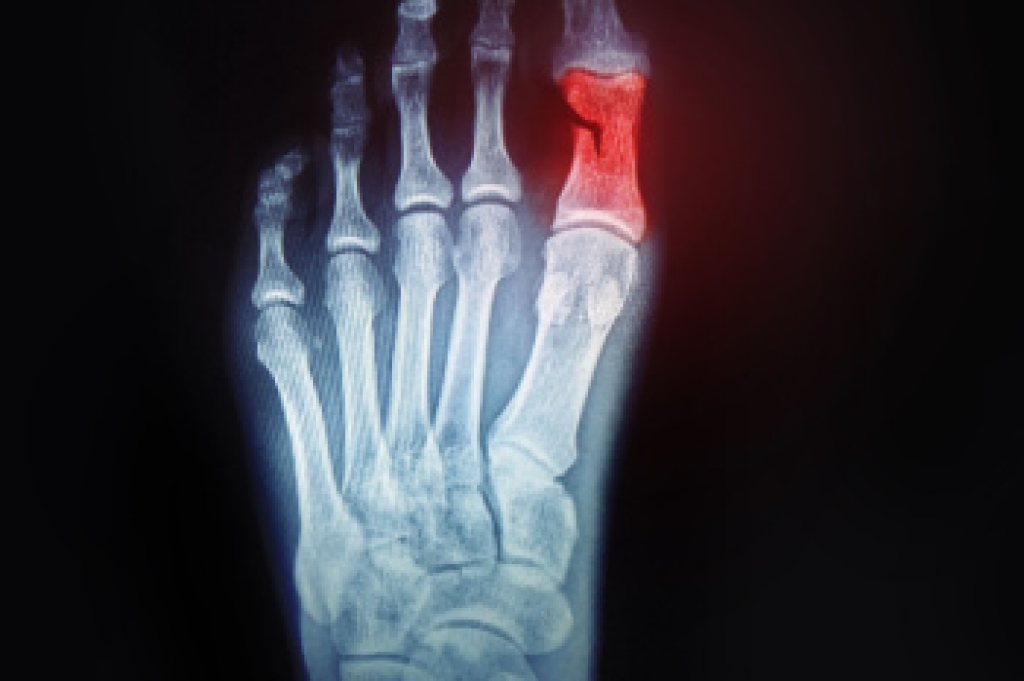
A broken toe occurs when one of the small bones in the toe fractures due to trauma or pressure. Common causes include stubbing the toe against a hard surface, dropping a heavy object on the foot, or sports related injuries. Symptoms often involve sharp pain, swelling, bruising, tenderness, and difficulty walking or bearing weight. Left untreated, a broken toe can lead to long-term deformity or chronic pain. A podiatrist can assess the severity of the injury, recommend proper immobilization, provide pain management strategies, and guide rehabilitation to ensure proper healing. If you have symptoms of a broken toe, it is suggested that you make an appointment with a podiatrist to ensure safe healing.

A broken toe can be very painful and lead to complications if not properly fixed. If you have any concerns about your feet, contact Genine Befumo, DPM from University Foot and Ankle Center, L.L.C. Our doctor will treat your foot and ankle needs.

What to Know About a Broken Toe

Although most people try to avoid foot trauma such as banging, stubbing, or dropping heavy objects on their feet, the unfortunate fact is that it is a common occurrence. Given the fact that toes are positioned in front of the feet, they typically sustain the brunt of such trauma. When trauma occurs to a toe, the result can be a painful break (fracture).

Symptoms of a Broken Toe

  • Throbbing pain
  • Swelling
  • Bruising on the skin and toenail
  • The inability to move the toe
  • Toe appears crooked or disfigured
  • Tingling or numbness in the toe

Generally, it is best to stay off of the injured toe with the affected foot elevated.

Severe toe fractures may be treated with a splint, cast, and in some cases, minor surgery. Due to its position and the pressure it endures with daily activity, future complications can occur if the big toe is not properly treated.

If you have any questions, please feel free to contact our office located in Monroe Township, NJ . We offer the newest diagnostic and treatment technologies for all your foot care needs.

Read more about What to Know About a Broken Toe

Heel Pain Can Be Treated!

Do you suffer from heel pain when you get up in the morning? If so, you should seek professional help and have a proper diagnosis performed. Heel pain can be caused by several different foot-related conditions.

Common Foot Problems in Seniors

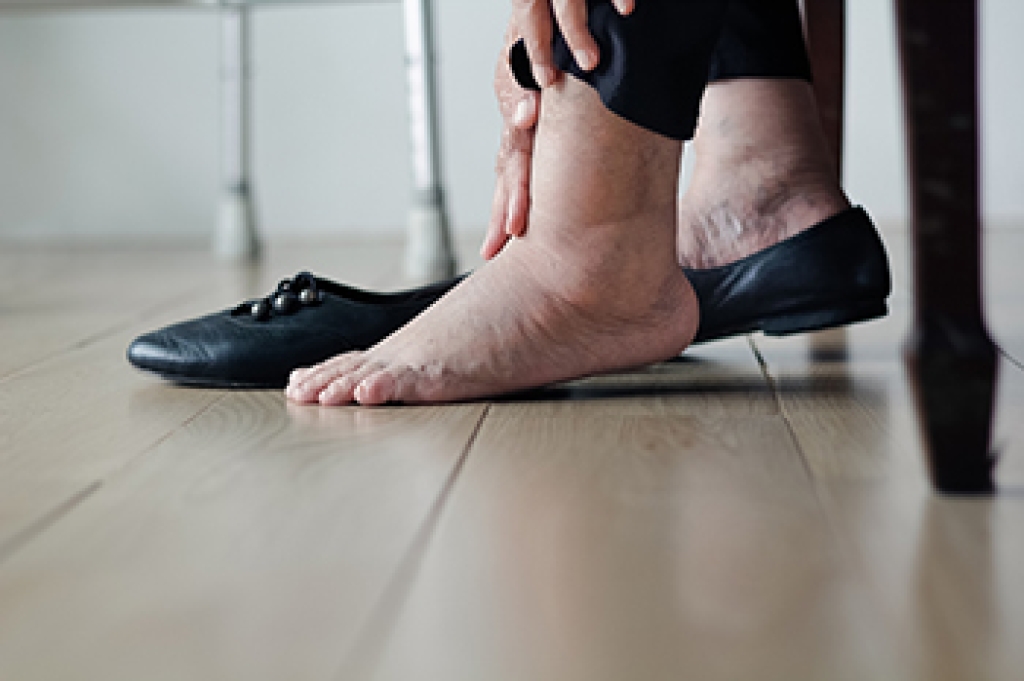
As people age, the feet undergo natural changes that can lead to discomfort and mobility issues. Seniors often experience fat pad atrophy, which reduces cushioning in the heels and balls of the feet, leading to pain. Cracked heels can develop from dry skin, while bunions and ingrown toenails may cause swelling, redness, and difficulty walking. Morton's neuroma can create sharp pain or tingling between the toes. These conditions can impact daily activities and overall quality of life. A podiatrist can provide expert evaluation, offer treatments such as orthotics, padding, or corrective procedures, and recommend preventive care. If you or a loved one are experiencing foot problems, it is suggested that you consult a podiatrist who can provide an accurate diagnosis, and offer effective treatment solutions.

If you need your feet checked, contact Genine Befumo, DPM of University Foot and Ankle Center, L.L.C. Our doctor will attend to all of your foot and ankle needs and provide you with quality treatment.

Geriatrics and Podiatry
When people age, some common issues that may occur are bone density loss, dry skin, poor circulation, and rough brittle nails. These issues may also affect your foot health if the necessary steps are not taken to alleviate the problems.

It is important to take care of your feet because feet that are injured or diseased can affect your overall health. Having painful feet hinders your ability to do daily activities or may decrease your willingness to do the things that you need to do.

Visiting Your Geriatrician
As we age, health problems become more likely, so it is essential to visit your doctor for check-ups to ensure that you are doing the best you can to take care of your health. It is recommended to check your feet frequently for any possible cuts, bruises, swelling, corns or any other irregularities. 

Taking Care of Elderly Feet
Cracked or dry feet can be treated by applying moisturizer often. It is also important not to wear old socks because the older the sock is, the higher the possibility there will be that there is bacteria there. Wear fresh socks and make sure they fit properly.

Proper foot health means that you can have a more active lifestyle and you will not be bogged down by pain. Foot health also leads to good circulation, which is paramount for overall health.

If you have any questions, please feel free to contact our office located in Monroe Township, NJ . We offer the newest diagnostic and treatment technologies for all your foot care needs.

Read more about Elderly Foot Care
Connect with us

our recent articles