
Blog

Foot and Ankle Issues That Develop Without Injury

Many foot and ankle conditions can occur without a specific injury. These problems often result from gradual changes in foot structure, genetics, underlying health conditions, or daily habits. Common examples include bunions, hammertoes, and flat feet, which may form over time due to inherited traits or improper footwear. Plantar fasciitis and heel spurs can develop from repetitive strain or standing for long hours. Arthritis in the joints of the toes or ankles may cause stiffness, swelling, and reduced mobility as part of the aging process. Nerve disorders like peripheral neuropathy and tarsal tunnel syndrome can also affect the feet, even without trauma. Circulatory issues like peripheral arterial disease may lead to foot pain, slow-healing wounds, or changes in skin color. If you notice discomfort, numbness, or changes in your feet or ankles that are not related to an injury, it is suggested that you visit a podiatrist for a complete evaluation.

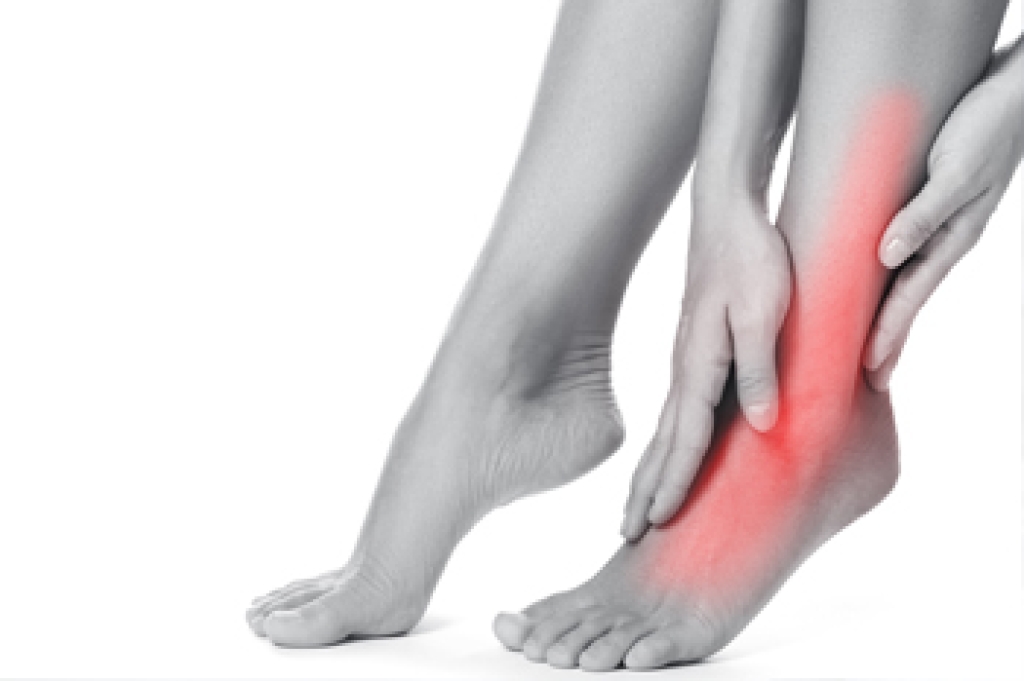
Foot Pain

Foot pain can be extremely painful and debilitating. If you have a foot pain, consult with Genine Befumo, DPM from University Foot and Ankle Center, L.L.C. Our doctor will assess your condition and provide you with quality foot and ankle treatment.

Causes

Foot pain is a very broad condition that could be caused by one or more ailments. The most common include:

  • Bunions
  • Hammertoes
  • Plantar Fasciitis
  • Bone Spurs
  • Corns
  • Tarsal Tunnel Syndrome
  • Ingrown Toenails
  • Arthritis (such as Gout, Rheumatoid, and Osteoarthritis)
  • Flat Feet
  • Injury (from stress fractures, broken toe, foot, ankle, Achilles tendon ruptures, and sprains)
  • And more

Diagnosis

To figure out the cause of foot pain, podiatrists utilize several different methods. This can range from simple visual inspections and sensation tests to X-rays and MRI scans. Prior medical history, family medical history, and any recent physical traumatic events will all be taken into consideration for a proper diagnosis.

Treatment

Treatment depends upon the cause of the foot pain. Whether it is resting, staying off the foot, or having surgery; podiatrists have a number of treatment options available for foot pain.

If you have any questions, please feel free to contact our office located in Monroe Township, NJ . We offer the newest diagnostic and treatment technologies for all your foot care needs.
Read more about Foot Pain

Causes and Risk Factors of Ingrown Toenails

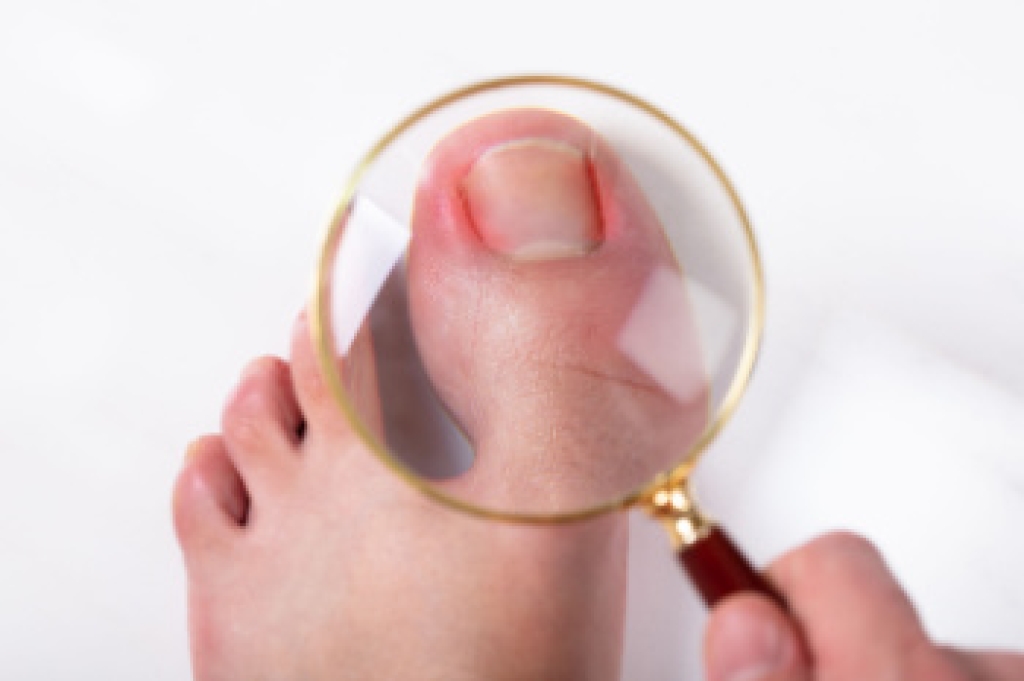
An ingrown toenail occurs when the edge of a toenail grows into the skin instead of over it, most often affecting the big toe. This can cause pain, swelling, and redness surrounding the toenail, and may lead to infection, if not treated. Common causes of ingrown toenails include trimming the nails too short or rounding their edges, wearing shoes that put pressure on the toes, and injuring the toe. Some people are more prone to ingrown toenails due to the natural shape of their nails, or repeated stress from activities like running or kicking. Risk factors also include poor circulation, especially in people with diabetes, which can make healing more difficult and increase the risk of infection. When pain, swelling, or drainage occur, a podiatrist may recommend lifting the nail, removing part of the nail, or treating an infection. If you have a painful or infected ingrown toenail, it is suggested that you schedule an appointment with a podiatrist for appropriate treatment.

Ingrown toenails can become painful if they are not treated properly. For more information about ingrown toenails, contact Genine Befumo, DPM of University Foot and Ankle Center, L.L.C. Our doctor can provide the care you need to keep you pain-free and on your feet.

Ingrown Toenails

Ingrown toenails occur when a toenail grows sideways into the bed of the nail, causing pain, swelling, and possibly infection.

Causes

  • Bacterial infections
  • Improper nail cutting such as cutting it too short or not straight across
  • Trauma to the toe, such as stubbing, which causes the nail to grow back irregularly
  • Ill-fitting shoes that bunch the toes too close together
  • Genetic predisposition

Prevention

Wearing proper fitting shoes and using proper cutting techniques will also help decrease your risk of developing ingrown toenails.

Treatment

Ingrown toenails are a very treatable foot condition. In minor cases, soaking the affected area in salt or antibacterial soaps will not only help with the ingrown nail itself, but also help prevent any infections from occurring. In more severe cases, surgery is an option. In either case, speaking to your podiatrist about this condition will help you get a better understanding of specific treatment options that are right for you.

If you have any questions, please feel free to contact our office located in Monroe Township, NJ . We offer the newest diagnostic and treatment technologies for all your foot care needs.

Read more about Ingrown Toenails

When Foot Blisters Get In the Way

Foot blisters are small pockets of fluid that form from repeated friction, often caused by wearing tight shoes, sweaty feet, or long periods of walking. They usually appear on the toes, heels, or soles and can be painful or tender. While it may be tempting to pop a blister, doing so increases the risk of infection. Instead, keep it clean, dry, and protected with a bandage or blister pad. Letting the blister heal naturally is best when possible. If it breaks, clean it gently and cover it with a clean dressing. Wearing moisture-wicking socks and properly fitted shoes can help prevent future blisters. For athletes or those with diabetes, blisters should be watched closely. If a blister becomes red, warm or filled with pus, it is suggested you see a podiatrist for appropriate treatment.

Blisters may appear as a single bubble or in a cluster. They can cause a lot of pain and may be filled with pus, blood, or watery serum. If your feet are hurting, contact Genine Befumo, DPM of University Foot and Ankle Center, L.L.C. Our doctor can provide the care you need to keep you pain-free and on your feet.

Foot Blisters

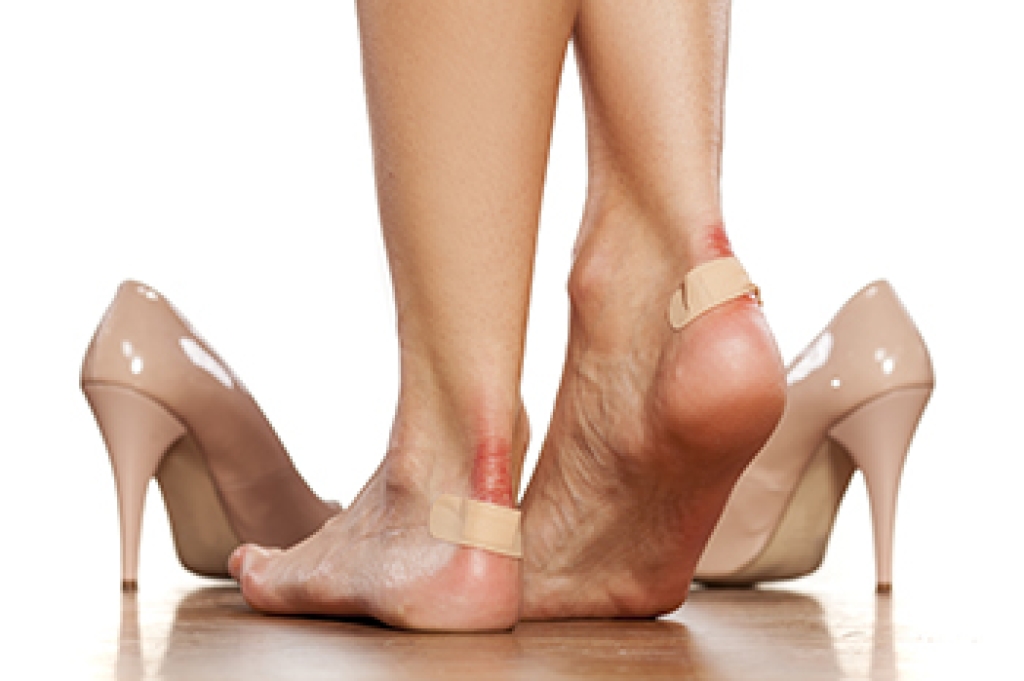
Foot blisters are often the result of friction. This happens due to the constant rubbing from shoes, which can lead to pain.

What Are Foot Blisters?

A foot blister is a small fluid-filled pocket that forms on the upper-most layer of the skin. Blisters are filled with clear fluid and can lead to blood drainage or pus if the area becomes infected.

Symptoms

(Blister symptoms may vary depending on what is causing them)

  • Bubble of skin filled with fluid
  • Redness
  • Moderate to severe pain
  • Itching

Prevention & Treatment

In order to prevent blisters, you should be sure to wear comfortable shoes with socks that cushion your feet and absorb sweat. Breaking a blister open may increase your chances of developing an infection. However, if your blister breaks, you should wash the area with soap and water immediately and then apply a bandage to the affected area. If your blisters cause severe pain it is important that you call your podiatrist right away.

If you have any questions, please feel free to contact our office located in Monroe Township, NJ . We offer the newest diagnostic and treatment technologies for all your foot care needs.
Read more about Blisters

Why Live with Pain and Numbness in Your Feet?

Suffering from this type of pain? You may have the foot condition known as Morton's neuroma. Morton's neuroma may develop as a result of ill-fitting footwear and existing foot deformities. We can help.

Recognizing Signs of Healing From Plantar Fasciitis

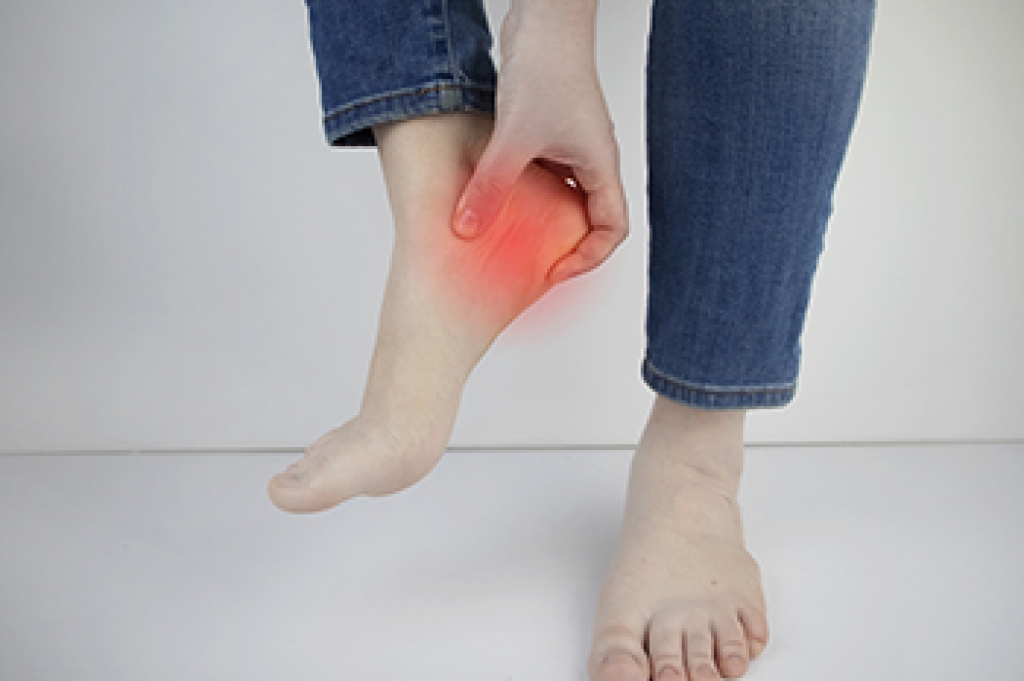
Plantar fasciitis is a common condition characterized by inflammation of the plantar fascia, the thick band of tissue that runs from the heel bone to the toes. Plantar fasciitis typically causes sharp heel pain, especially with the first steps in the morning. Relief can begin with performing specific stretches that target the plantar fascia, such as rolling the foot on a tennis ball. Additionally, wearing supportive footwear or orthotics may accelerate the healing process.  As recovery progresses, patients often notice that mornings become easier because increased blood flow and reduced overnight pressure help relieve stiffness. Pain that was once widespread may become more localized, signaling that inflammation is decreasing. Another important sign of recovery is the return of range of motion in the foot and ankle, allowing for more comfortable walking and movement. Plantar fasciitis can cause extreme pain and discomfort, often causing difficulty in completing daily activities. If you have this condition, it is suggested that you are under the care of a podiatrist who can begin the necessary treatment as you look forward to signs of recovery.

Plantar fasciitis can be very painful and inconvenient. If you are experiencing heel pain or symptoms of plantar fasciitis, contact Genine Befumo, DPM  from University Foot and Ankle Center, L.L.C. Our doctor can provide the care you need to keep you pain-free and on your feet.

What Is Plantar Fasciitis?

Plantar fasciitis is the inflammation of the thick band of tissue that runs along the bottom of your foot, known as the plantar fascia, and causes mild to severe heel pain.

What Causes Plantar Fasciitis?

  • Excessive running
  • Non-supportive shoes
  • Overpronation
  • Repeated stretching and tearing of the plantar fascia

How Can It Be Treated?

  • Conservative measures – anti-inflammatories, ice packs, stretching exercises, physical therapy, orthotic devices
  • Shockwave therapy – sound waves are sent to the affected area to facilitate healing and are usually used for chronic cases of plantar fasciitis
  • Surgery – usually only used as a last resort when all else fails. The plantar fascia can be surgically detached from the heel

While very treatable, plantar fasciitis is definitely not something that should be ignored. Especially in severe cases, speaking to your doctor right away is highly recommended to avoid complications and severe heel pain. Your podiatrist can work with you to provide the appropriate treatment options tailored to your condition.

If you have any questions, please feel free to contact our office located in Monroe Township, NJ . We offer the newest diagnostic and treatment technologies for all your foot care needs.

Read more about Plantar Fasciitis
Connect with us

our recent articles