
Blog

Warming Up and Wearing the Correct Shoes

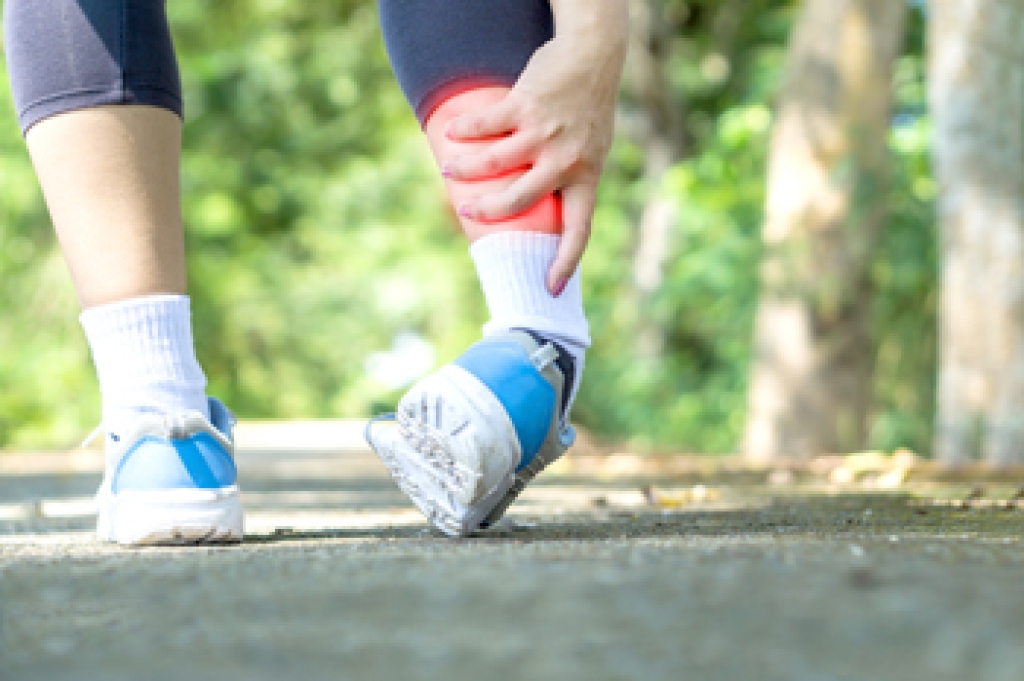
Many people enjoy running, and it can be an important part of achieving fitness goals. Research has shown the significance of stretching and warming up for an adequate amount of time before running is started. This may be helpful in preventing running injuries, such as plantar fasciitis, Achilles tendinitis, and shin splints. Wearing the correct shoes may minimize the chances of getting injured. In addition, getting a physical examination before a running regime is started is a good idea. Many runners identify their running goals, which can help them to gradually increase their mileage and speed. If you would like more information about how running injuries can affect the feet, and how to prevent them, please speak with a podiatrist.

Exercising your feet regularly with the proper foot wear is a great way to prevent injuries. If you have any concerns about your feet, contact Genine Befumo, DPM of University Foot and Ankle Center, L.L.C. Our doctor will treat your foot and ankle needs.

How to Prevent Running Injuries

Many common running injuries are caused by overuse and overtraining. When the back of the kneecap starts wearing out and starts causing pain in your knee, this is commonly referred to as runner’s knee. Runner’s knee is a decrease in strength in your quadriceps and can occur if you’re not wearing properly fitted or supporting shoes. To prevent runner’s knee, focusing on hip strengthening is a good idea, as well as strengthening your quads to keep the kneecaps aligned.

What Are Some Causes of Running Injuries? 
- One cause of a common running injury is called iliotibial band syndrome.
- Plantar fasciitis is also another common injury.
- Stress fractures can occur from overtraining, lack of calcium, or even your running style.

Best Ways to Prevent Running Injuries
- Wear footwear that fits properly and suits your running needs.
- Running shoes are the only protective gear that runners have to safeguard them from injury.
- Make a training schedule. Adding strengthening exercises as well as regular stretching can help keep you strong and limber and can lessen the possibility of injuries.
- Stretching keeps muscles limber; this will help you gain better flexibility.

If you have any questions, please feel free to contact our office located in Monroe Township, NJ . We offer the newest diagnostic and treatment technologies for all your foot care needs.
Read more about Preventing Running Injuries

Are Bunions Affecting Your Everyday Life?

Have you noticed a bony protrusion on the side of your big toe? If so, you may have developed the foot condition known as a bunion. Don't let bunions interfere with your daily activities.

Treating Heel Pain With Extracorporeal Shockwave Therapy

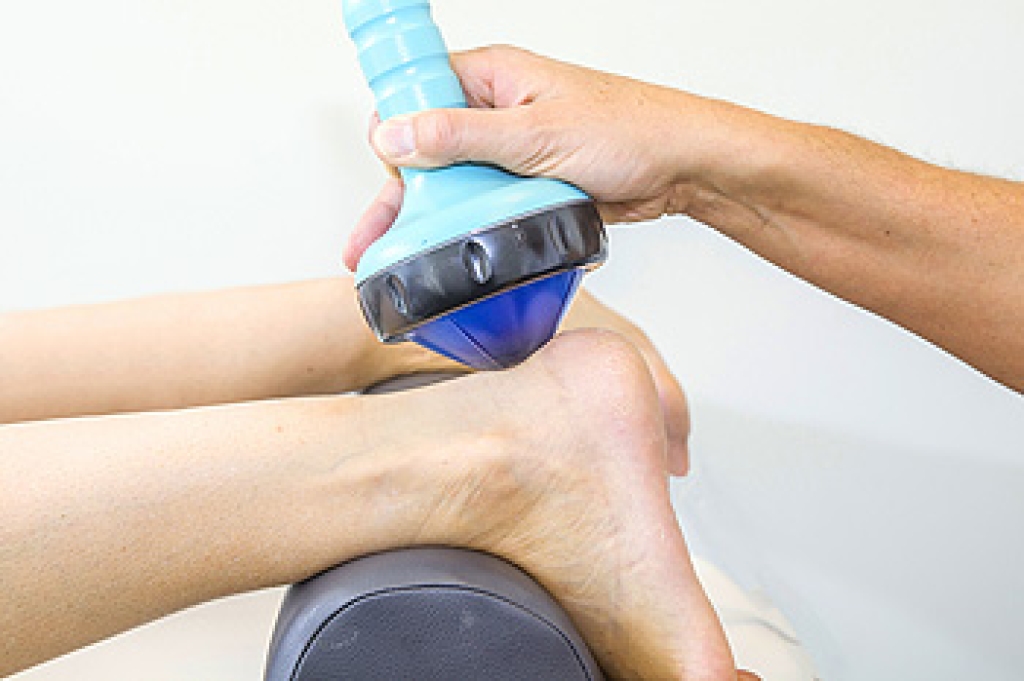
Extracorporeal Shockwave Therapy (ESWT) is an FDA-approved treatment for plantar fasciitis, the most common form of heel pain. ESWT delivers targeted high-energy sound waves to the injured and inflamed plantar fascia tissue. This process breaks up scar tissue and encourages the body to create new tissue cells which, in turn, stimulates healing and reduces pain. Acoustic wave therapy has been used for decades in shockwave lithotripsy—a treatment that breaks up kidney stones. ESWT is safe, non-invasive, and treatments generally take less than half an hour on each foot, with typically 3-5 sessions needed for many patients to begin to feel relief. If you have plantar fasciitis, contact a podiatrist to discuss whether you may be a good candidate for ESWT.

Shockwave therapy is a treatment commonly used to treat various injuries and conditions, particularly plantar fasciitis in the feet. To learn more, consult with Genine Befumo, DPM from University Foot and Ankle Center, L.L.C. Our doctor can provide the care you need to keep you pain-free and on your feet.

Shockwave Therapy

Shockwave therapy is a new treatment option designed to treat bone conditions such as tennis elbow, shoulder pain, and others. Shockwave therapy uses high intensity sound waves that are directed to the affected tissues of the body with pinpoint accuracy. The effects are very beneficial, leading to a production of collagen fibers, eliminating inflammation.

Who Benefits from Shockwave?

Shockwave is recommended for patients suffering from heel pain and associated problems. Heel pain is a common condition which can be caused by obesity, overexertion, and spending a substantial amount of time on hard floors with your feet exposed and unsupported.

Fast and Easy

The therapy is actually a simple process that can leave patients feeling better the very next day. Shockwave therapy is not as dramatic as it sounds. It enables more blood flow to effected areas, addressing the source of the problem and allowing treatment to last for a long time.

Treatment & Recovery Time

Shockwave treatment will enable your feet to recover quickly. This is especially important since surgery is not required. It is cost effective and does not require the use of anesthesia. This treatment is a better option to surgery, since it is proven safe.

If you have any questions, please feel free to contact our office located in Monroe Township, NJ . We offer the newest diagnostic and treatment technologies for all your foot care needs.
Read more about Treating Heel Pain with Shockwave Therapy

When Rheumatoid Arthritis Affects the Ankle

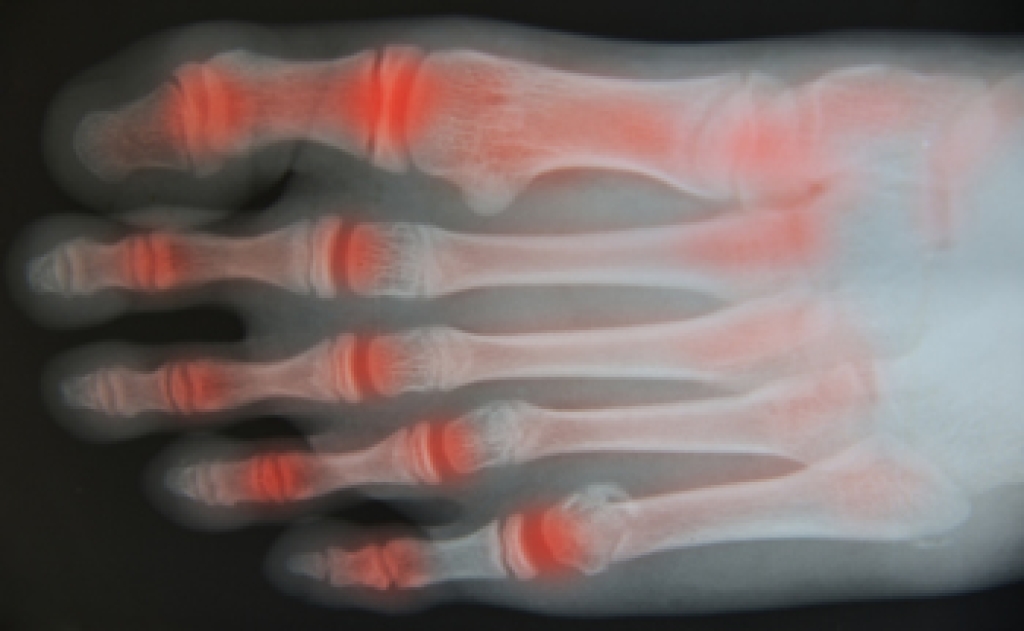
Rheumatoid arthritis (RA) is a progressive disease that causes the body’s immune system to mistakenly attack healthy tissue. RA can break down cartilage between bones in the ankle. Without healthy cartilage between ankle bones, bones rub together and cause friction that can lead to inflammation and pain in the ankle joint. In addition, RA can also weaken surrounding tissues that normally support and stabilize the ankle. Over time, the damage RA inflicts on the ankle can change how the joint functions and may lead to further destruction. A podiatrist can diagnose RA in your ankles and help determine the best course of treatment, which may include non-steroidal anti-inflammatory medications, corticosteroid injections, custom orthotics, physical therapy, and in some cases, surgery.

Arthritis can be a difficult condition to live with. If you are seeking treatment, contact Genine Befumo, DPM from University Foot and Ankle Center, L.L.C. Our doctor can provide the care you need to keep you pain-free and on your feet.

Arthritic Foot Care  

Arthritis is a term that is commonly used to describe joint pain.  The condition itself can occur to anyone of any age, race, or gender, and there are over 100 types of it.  Nevertheless, arthritis is more commonly found in women compared to men, and it is also more prevalent in those who are overweight. The causes of arthritis vary depending on which type of arthritis you have. Osteoarthritis for example, is often caused by injury, while rheumatoid arthritis is caused by a misdirected immune system.

Symptoms

  • Swelling
  • Pain
  • Stiffness
  • Decreased Range of Motion

Arthritic symptoms range in severity, and they may come and go. Some symptoms stay the same for several years but could potentially get worse with time. Severe cases of arthritis can prevent its sufferers from performing daily activities and make walking difficult.

Risk Factors

  • Occupation – Occupations requiring repetitive knee movements have been linked to osteoarthritis
  • Obesity – Excess weight can contribute to osteoarthritis development
  • Infection – Microbial agents can infect the joints and trigger arthritis
  • Joint Injuries – Damage to joints may lead to osteoarthritis
  • Age – Risk increases with age
  • Gender –Most types are more common in women
  • Genetics – Arthritis can be hereditary

If you suspect your arthritis is affecting your feet, it is crucial that you see a podiatrist immediately. Your doctor will be able to address your specific case and help you decide which treatment method is best for you.

If you have any questions please feel free to contact our office located in Monroe Township, NJ . We offer the newest diagnostic tools and technology to treat your foot and ankle needs.

Read more about How to Care for Your Arthritic Foot

How Does Cuboid Syndrome Develop?

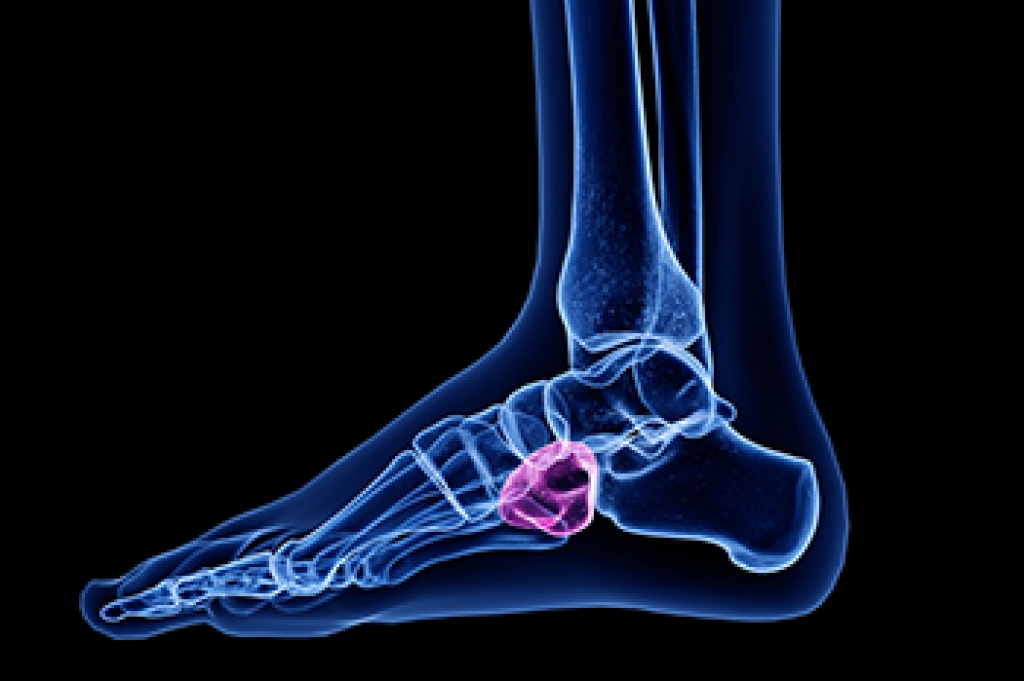
Cuboid syndrome is a foot condition that affects the cuboid bone, which is one of seven tarsal bones that are located in the middle of the foot. Additionally, it can be referred to as cuboid subluxation, and it may develop after a joint or ligament injury. Patients with cuboid syndrome can experience limping, swelling, and tenderness in the affected foot. While research has indicated that trauma to the foot is the most common cause of cuboid syndrome, some patients have overpronation or underpronation, which can lead to an increase in the risk of injury. This condition may also happen gradually, as the foot can endure stress a day at a time. Relief may come from resting the foot as often as possible, and it can help to wear proper shoes. If you have pain in your foot, it is suggested that you consult with a podiatrist who can perform proper testing for cuboid syndrome and offer correct treatment options.

Cuboid syndrome, also known as cuboid subluxation, occurs when the joints and ligaments near the cuboid bone in the foot become torn. If you have cuboid syndrome, consult with Genine Befumo, DPM from University Foot and Ankle Center, L.L.C. Our doctor will assess your condition and provide you with quality foot and ankle treatment.

Cuboid syndrome is a common cause of lateral foot pain, which is pain on the outside of the foot. The condition may happen suddenly due to an ankle sprain, or it may develop slowly overtime from repetitive tension through the bone and surrounding structures.

Causes

The most common causes of cuboid syndrome include:

  • Injury – The most common cause of this ailment is an ankle sprain.
  • Repetitive Strain – Tension placed through the peroneus longus muscle from repetitive activities such as jumping and running may cause excessive traction on the bone causing it to sublux.
  • Altered Foot Biomechanics – Most people suffering from cuboid subluxation have flat feet.

Symptoms

A common symptom of cuboid syndrome is pain along the outside of the foot which can be felt in the ankle and toes. This pain may create walking difficulties and may cause those with the condition to walk with a limp.

Diagnosis

Diagnosis of cuboid syndrome is often difficult, and it is often misdiagnosed. X-rays, MRIs and CT scans often fail to properly show the cuboid subluxation. Although there isn’t a specific test used to diagnose cuboid syndrome, your podiatrist will usually check if pain is felt while pressing firmly on the cuboid bone of your foot.

Treatment

Just as the range of causes varies widely, so do treatments. Some more common treatments are ice therapy, rest, exercise, taping, and orthotics.

If you have any questions, please feel free to contact our office located in Monroe Township, NJ . We offer the newest diagnostic and treatment technologies for all your foot care needs.
Read more about All About Cuboid Syndrome
Connect with us

our recent articles