
Blog

What Is Foot Drop?

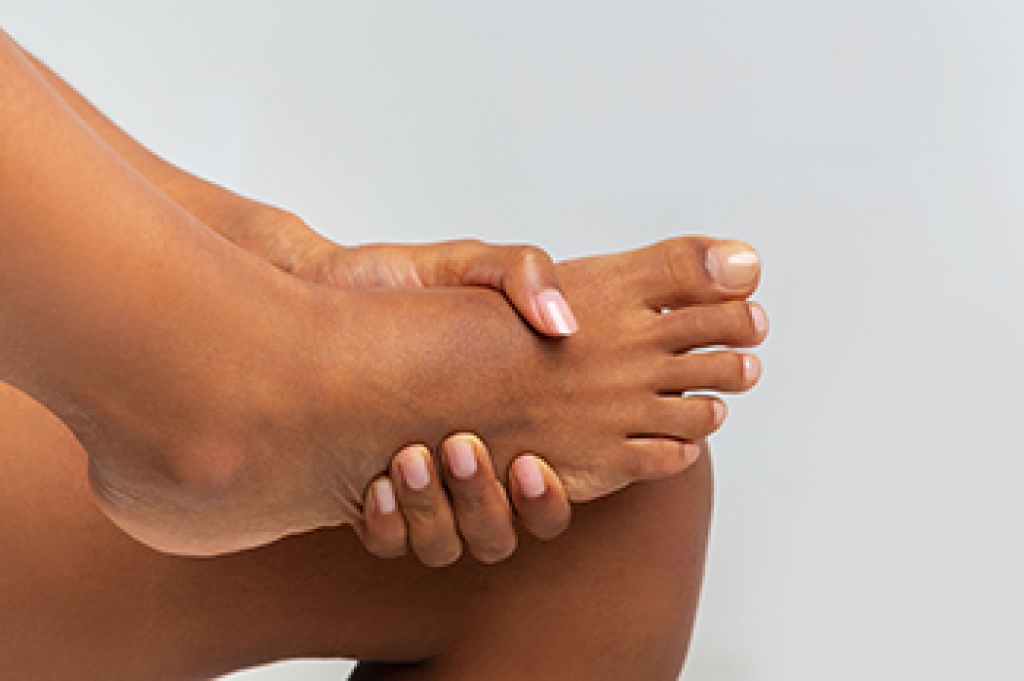
Foot drop, also known as drop foot, is a condition where lifting the front part of the foot becomes difficult, causing it to drag while walking. It results from weakness or paralysis of the muscles that lift the foot, often due to nerve damage, muscle disorders, or brain and spinal cord conditions like stroke or multiple sclerosis. Common causes include peroneal nerve injury, herniated discs, diabetes, or neurological disorders. Anyone can develop foot drop, but it is more likely in those with conditions affecting the nerves or muscles. Symptoms include dragging the toes, difficulty walking, and a steppage gait, where the knee lifts higher than usual. Diagnosis involves a physical exam, imaging like an MRI scan, and nerve conduction studies. Treatments may include braces, targeted exercises, or surgery in severe cases. If you have this uncomfortable condition, it is strongly suggested that you consult a podiatrist who can offer a personalized approach to manage foot drop effectively.

Foot Pain

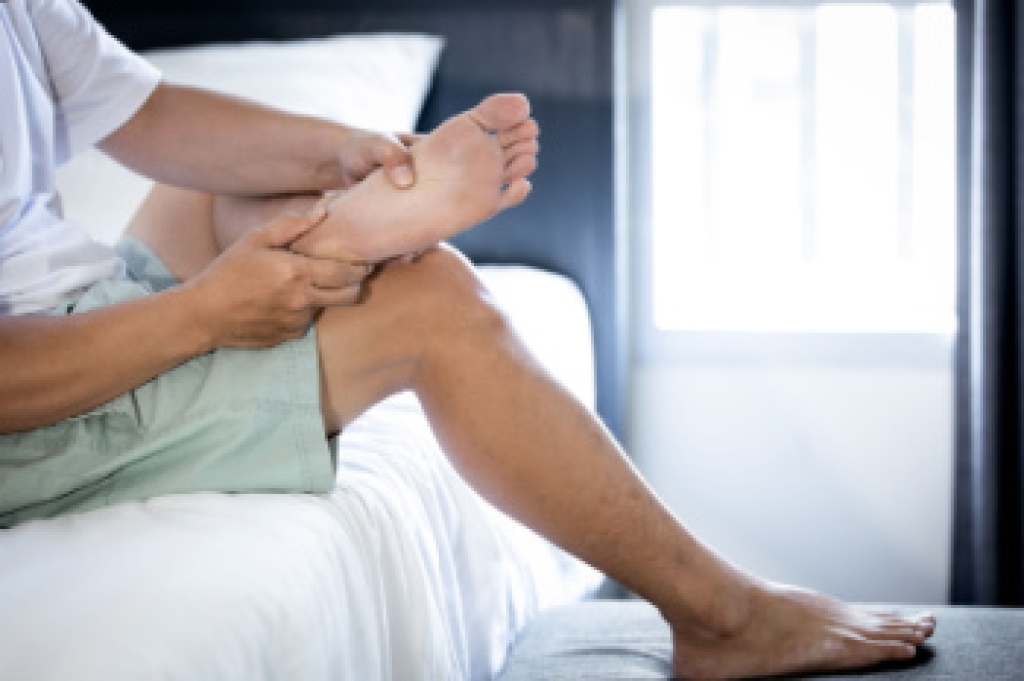
Foot pain can be extremely painful and debilitating. If you have a foot pain, consult with Genine Befumo, DPM from University Foot and Ankle Center, L.L.C. Our doctor will assess your condition and provide you with quality foot and ankle treatment.

Causes

Foot pain is a very broad condition that could be caused by one or more ailments. The most common include:

  • Bunions
  • Hammertoes
  • Plantar Fasciitis
  • Bone Spurs
  • Corns
  • Tarsal Tunnel Syndrome
  • Ingrown Toenails
  • Arthritis (such as Gout, Rheumatoid, and Osteoarthritis)
  • Flat Feet
  • Injury (from stress fractures, broken toe, foot, ankle, Achilles tendon ruptures, and sprains)
  • And more

Diagnosis

To figure out the cause of foot pain, podiatrists utilize several different methods. This can range from simple visual inspections and sensation tests to X-rays and MRI scans. Prior medical history, family medical history, and any recent physical traumatic events will all be taken into consideration for a proper diagnosis.

Treatment

Treatment depends upon the cause of the foot pain. Whether it is resting, staying off the foot, or having surgery; podiatrists have a number of treatment options available for foot pain.

If you have any questions, please feel free to contact our office located in Monroe Township, NJ . We offer the newest diagnostic and treatment technologies for all your foot care needs.
Read more about Foot Pain

All About Plantar Fasciitis

Plantar fasciitis affects the band of tissue that runs along the bottom of the foot, connecting the heel bone to the toes. This is known as the plantar fascia, and can become strained and inflamed due to repetitive stress and is a leading cause of heel pain. People with plantar fasciitis frequently experience discomfort along the sole of the foot and heel, especially during the first steps in the morning or after prolonged sitting. This pain may worsen with activities like climbing stairs or standing for long periods. A podiatrist can examine your feet, assess your gait, and identify specific pain points. This foot doctor may use diagnostic tools to confirm plantar fasciitis and recommend stretches to improve flexibility in the plantar fascia and calves. Customized orthotics and supportive footwear may be prescribed to reduce strain and enhance mobility. If you have foot or heel pain linked to plantar fasciitis, it is suggested that you schedule an appointment with a podiatrist for a diagnosis and treatment.

Plantar fasciitis can be very painful and inconvenient. If you are experiencing heel pain or symptoms of plantar fasciitis, contact Genine Befumo, DPM  from University Foot and Ankle Center, L.L.C. Our doctor can provide the care you need to keep you pain-free and on your feet.

What Is Plantar Fasciitis?

Plantar fasciitis is the inflammation of the thick band of tissue that runs along the bottom of your foot, known as the plantar fascia, and causes mild to severe heel pain.

What Causes Plantar Fasciitis?

  • Excessive running
  • Non-supportive shoes
  • Overpronation
  • Repeated stretching and tearing of the plantar fascia

How Can It Be Treated?

  • Conservative measures – anti-inflammatories, ice packs, stretching exercises, physical therapy, orthotic devices
  • Shockwave therapy – sound waves are sent to the affected area to facilitate healing and are usually used for chronic cases of plantar fasciitis
  • Surgery – usually only used as a last resort when all else fails. The plantar fascia can be surgically detached from the heel

While very treatable, plantar fasciitis is definitely not something that should be ignored. Especially in severe cases, speaking to your doctor right away is highly recommended to avoid complications and severe heel pain. Your podiatrist can work with you to provide the appropriate treatment options tailored to your condition.

If you have any questions, please feel free to contact our office located in Monroe Township, NJ . We offer the newest diagnostic and treatment technologies for all your foot care needs.

Read more about Plantar Fasciitis

Managing Foot Blisters

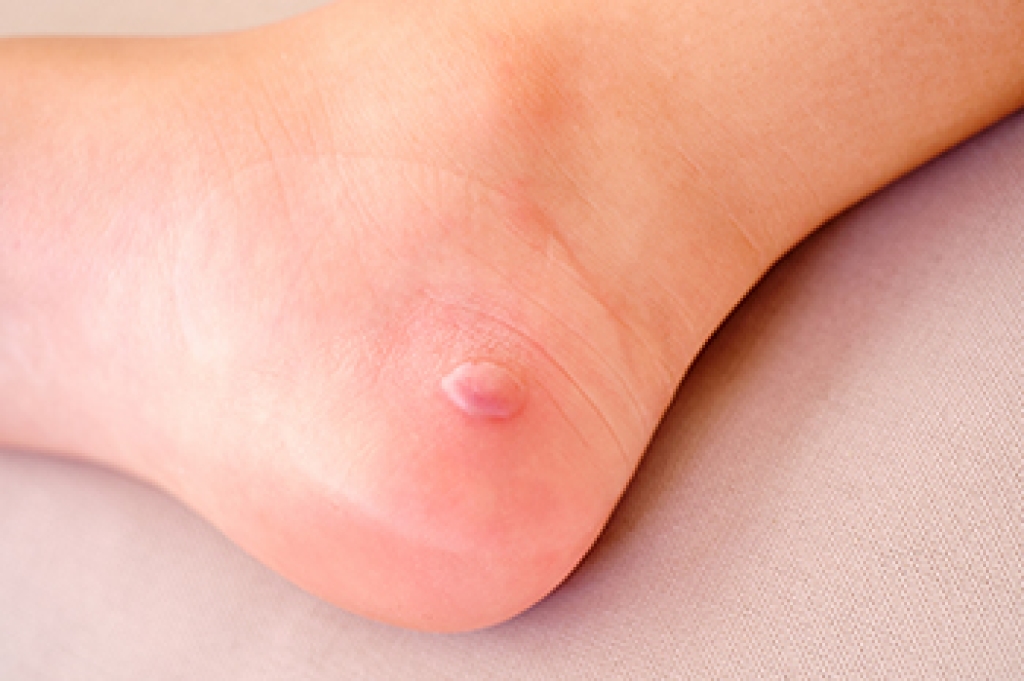
Blisters on the feet are small, fluid-filled pockets that form beneath the outer layer of skin, often caused by friction or pressure. These painful lesions can occur from wearing ill-fitting shoes or repetitive movements during activities. Blisters on the feet are typically filled with clear fluid, though blood-filled blisters can develop if a nearby blood vessel is damaged. While small blisters often heal on their own when kept clean and covered, larger or infected blisters require attention, particularly if accompanied by redness, warmth, or drainage. Popping a blister is not recommended as it can lead to infection and further complications. A podiatrist can provide safe and sterile treatment to treat the blister, reduce pain and prevent infection. This foot doctor can also assess your footwear and recommend methods to minimize friction to prevent future blister formation. If you have a painful blister that will not heal, it is suggested that you schedule an appointment with a podiatrist for an exam and treatment.

Blisters may appear as a single bubble or in a cluster. They can cause a lot of pain and may be filled with pus, blood, or watery serum. If your feet are hurting, contact Genine Befumo, DPM of University Foot and Ankle Center, L.L.C. Our doctor can provide the care you need to keep you pain-free and on your feet.

Foot Blisters

Foot blisters are often the result of friction. This happens due to the constant rubbing from shoes, which can lead to pain.

What Are Foot Blisters?

A foot blister is a small fluid-filled pocket that forms on the upper-most layer of the skin. Blisters are filled with clear fluid and can lead to blood drainage or pus if the area becomes infected.

Symptoms

(Blister symptoms may vary depending on what is causing them)

  • Bubble of skin filled with fluid
  • Redness
  • Moderate to severe pain
  • Itching

Prevention & Treatment

In order to prevent blisters, you should be sure to wear comfortable shoes with socks that cushion your feet and absorb sweat. Breaking a blister open may increase your chances of developing an infection. However, if your blister breaks, you should wash the area with soap and water immediately and then apply a bandage to the affected area. If your blisters cause severe pain it is important that you call your podiatrist right away.

If you have any questions, please feel free to contact our office located in Monroe Township, NJ . We offer the newest diagnostic and treatment technologies for all your foot care needs.
Read more about Blisters on the Feet

Are Bunions Affecting Your Everyday Life?

Have you noticed a bony protrusion on the side of your big toe? If so, you may have developed the foot condition known as a bunion. Don't let bunions interfere with your daily activities.

How Pointe Shoes Can Complicate the Biomechanics of Ballet

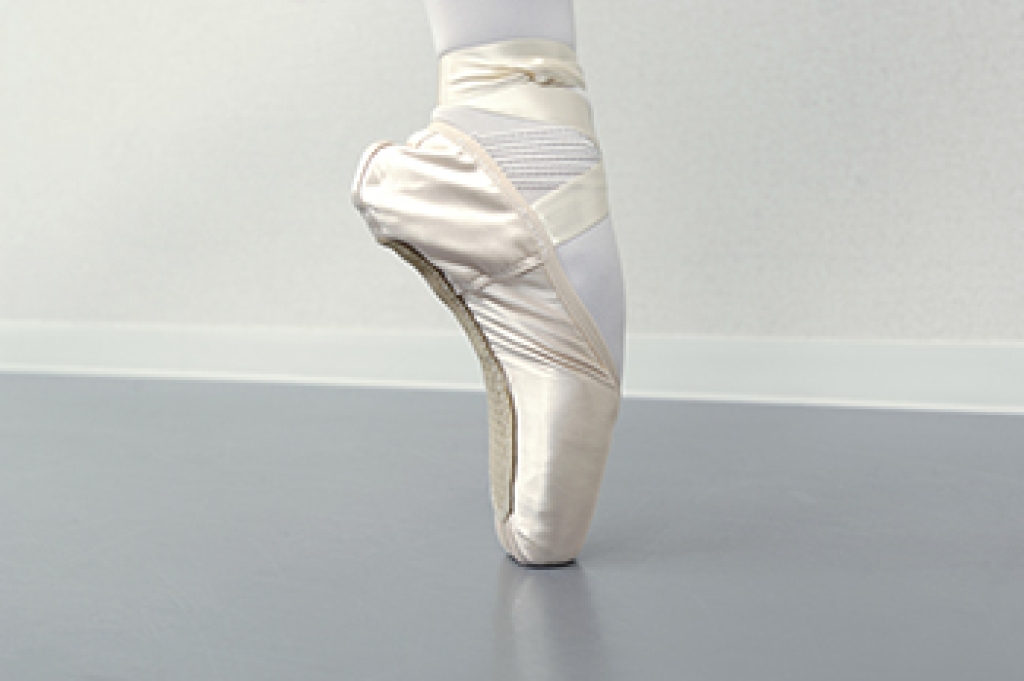
Pointe shoes are essential for many ballet dancers, allowing them to perform on the tips of their toes, creating an ethereal, floating appearance. However, wearing pointe shoes can complicate the biomechanics of ballet. These shoes shift the body’s natural alignment, often altering the way dancers move and place weight on their feet. The rigid structure of the shoe prevents the foot from flexing and distributing force evenly across the foot and ankle, leading to increased pressure on the toes and forefoot. Over time, this unnatural positioning can lead to imbalances, pain, and even injury. Furthermore, the added strain on the feet and lower limbs can cause overuse injuries in muscles, tendons, and joints. If you have developed foot pain from ballet dancing on pointe, it is suggested that you consult a podiatrist who can offer effective treatment solutions.

If you have any concerns about your feet, contact Genine Befumo, DPM from University Foot and Ankle Center, L.L.C. Our doctor can provide the care you need to keep you pain-free and on your feet.

Biomechanics in Podiatry

Podiatric biomechanics is a particular sector of specialty podiatry with licensed practitioners who are trained to diagnose and treat conditions affecting the foot, ankle and lower leg. Biomechanics deals with the forces that act against the body, causing an interference with the biological structures. It focuses on the movement of the ankle, the foot and the forces that interact with them.

A History of Biomechanics

  • Biomechanics dates back to the BC era in Egypt where evidence of professional foot care has been recorded.
  • In 1974, biomechanics gained a higher profile from the studies of Merton Root, who claimed that by changing or controlling the forces between the ankle and the foot, corrections or conditions could be implemented to gain strength and coordination in the area.

Modern technological improvements are based on past theories and therapeutic processes that provide a better understanding of podiatric concepts for biomechanics. Computers can provide accurate information about the forces and patterns of the feet and lower legs.

Understanding biomechanics of the feet can help improve and eliminate pain, stopping further stress to the foot.

If you have any questions please feel free to contact our office located in Monroe Township, NJ . We offer the newest diagnostic and treatment technologies for all your foot and ankle needs.

Read more about The Importance of Biomechanics in Podiatry
Connect with us

our recent articles