

Blog

How Your Feet Change With Age

As the body ages, the feet often go through noticeable changes that can affect comfort and mobility. Toenails may become thicker, more brittle, or discolored, making them harder to trim and maintain. The skin on the feet may also become drier or thinner, due to changes in circulation, which can increase the risk of cracks or irritation. These changes may lead to discomfort during walking or standing. Risk factors include reduced blood flow, underlying health conditions, and long-term wear on the feet. Paying attention to daily foot care becomes more important. A podiatrist can monitor these changes, provide treatment, and recommend supportive care to keep feet healthy. If you notice changes in your feet with age, it is suggested that you are under the care of a podiatrist who can treat various foot and ankle conditions and address problems as they arise.

Proper foot care is something many older adults forget to consider. If you have any concerns about your feet and ankles, contact Genine Befumo, DPM from University Foot and Ankle Center, L.L.C. Our doctor can provide the care you need to keep you pain-free and on your feet.

The Elderly and Their Feet

As we age we start to notice many changes in our body, but the elder population may not notice them right away. Medical conditions may prevent the elderly to take notice of their foot health right away. Poor vision is a lead contributor to not taking action for the elderly.

Common Conditions 

  • Neuropathy – can reduce feeling in the feet and can hide many life-threatening medical conditions.
  • Reduced flexibility – prevents the ability of proper toenail trimming, and foot cleaning. If left untreated, it may lead to further medical issues.
  • Foot sores – amongst the older population can be serious before they are discovered. Some of the problematic conditions they may face are:
  • Gouging toenails affecting nearby toe
  • Shoes that don’t fit properly
  • Pressure sores
  • Loss of circulation in legs & feet
  • Edema & swelling of feet and ankles

Susceptible Infections

Diabetes and poor circulation can cause general loss of sensitivity over the years, turning a simple cut into a serious issue.

If you have any questions, please feel free to contact our office located in Monroe Township, NJ . We offer the newest diagnostic and treatment technologies for all your foot care needs.
Read more about Taking Care of Elderly Feet

Foot Puncture Wounds and Hidden Risks

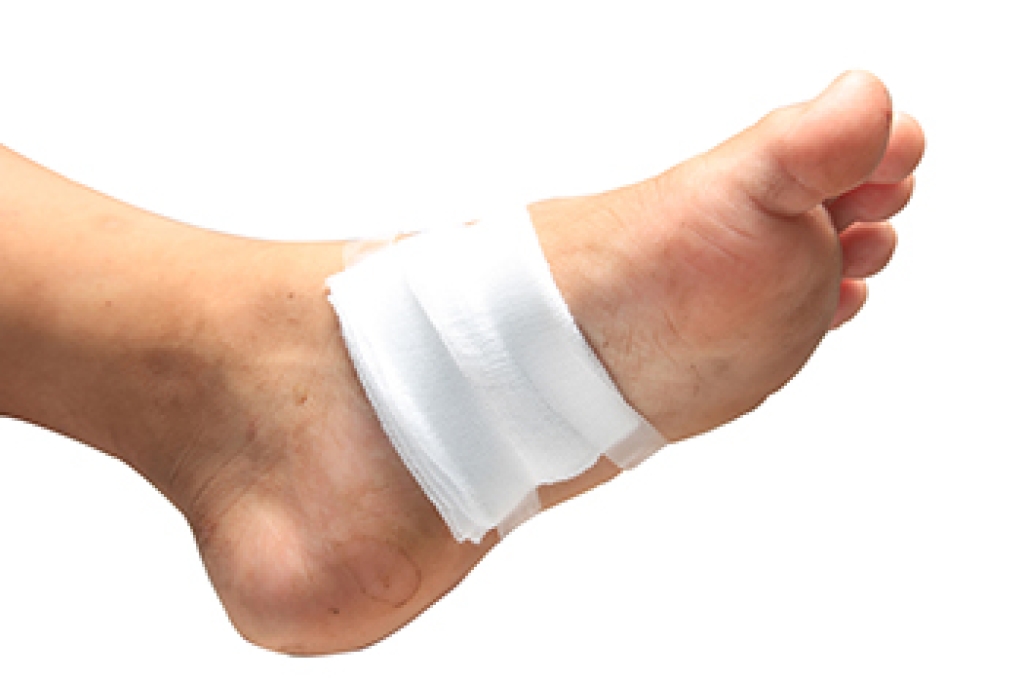
A foot puncture wound occurs when a sharp object penetrates the skin and deeper tissues of the foot, often leaving a small opening that may appear less serious than it truly is. These injuries commonly happen after stepping on nails, glass, splinters, or other sharp debris, sometimes even through a shoe sole. The bacterial organism typically associated with puncture wounds is clostridium tetani, which causes tetanus, a serious bacterial infection that affects the nervous system, causing painful muscle stiffness and spasms. Some puncture wounds may also lead to deeper infection, retained foreign material, or damage to tendons, joints, or bone. Symptoms can include pain, swelling, redness, drainage, and difficulty walking. A podiatrist can evaluate the depth of the injury, check for embedded objects, clean the wound properly, and determine whether further treatment is necessary to prevent complications. If you have a painful or worsening foot puncture wound, it is suggested that you visit a podiatrist for  effective relief solutions.

Wound care is an important part in dealing with diabetes. If you have diabetes and a foot wound or would like more information about wound care for diabetics, consult with Genine Befumo, DPM from University Foot and Ankle Center, L.L.C. Our doctor will assess your condition and provide you with quality foot and ankle treatment.

What Is Wound Care?

Wound care is the practice of taking proper care of a wound. This can range from the smallest to the largest of wounds. While everyone can benefit from proper wound care, it is much more important for diabetics. Diabetics often suffer from poor blood circulation which causes wounds to heal much slower than they would in a non-diabetic. 

What Is the Importance of Wound Care?

While it may not seem apparent with small ulcers on the foot, for diabetics, any size ulcer can become infected. Diabetics often also suffer from neuropathy, or nerve loss. This means they might not even feel when they have an ulcer on their foot. If the wound becomes severely infected, amputation may be necessary. Therefore, it is of the upmost importance to properly care for any and all foot wounds.

How to Care for Wounds

The best way to care for foot wounds is to prevent them. For diabetics, this means daily inspections of the feet for any signs of abnormalities or ulcers. It is also recommended to see a podiatrist several times a year for a foot inspection. If you do have an ulcer, run the wound under water to clear dirt from the wound; then apply antibiotic ointment to the wound and cover with a bandage. Bandages should be changed daily and keeping pressure off the wound is smart. It is advised to see a podiatrist, who can keep an eye on it.

If you have any questions please contact our office located in Monroe Township, NJ . We offer the newest diagnostic and treatment technologies for all your foot and ankle needs.

Read more about Wound Care

Recognizing an Infected Ingrown Toenail

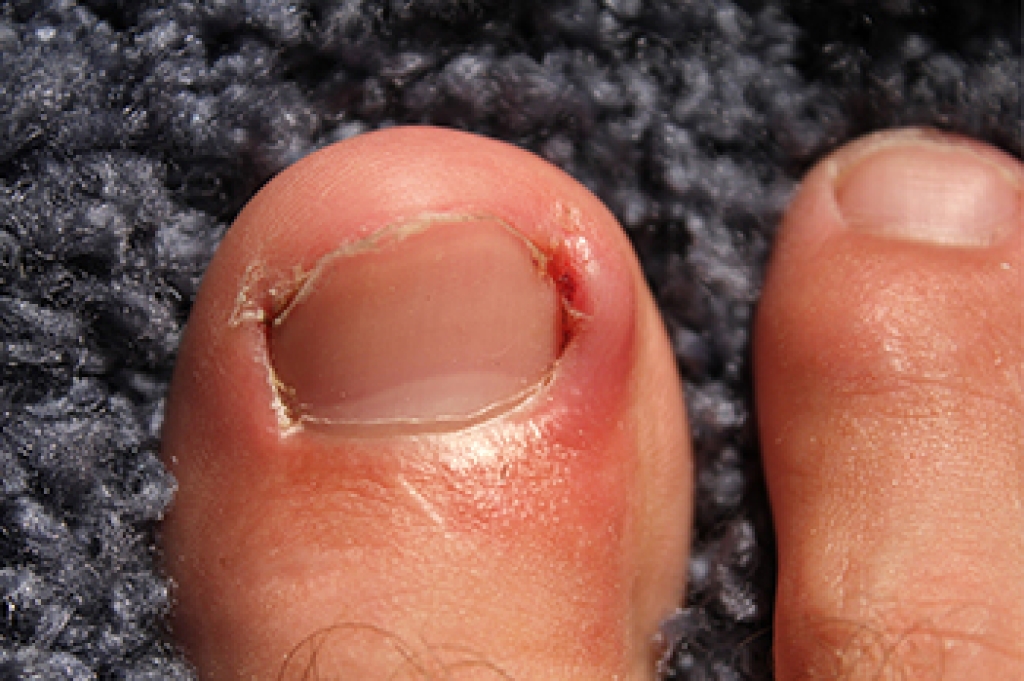
When an ingrown toenail becomes infected, it often causes redness, swelling, and pain that worsens with pressure. The area where the toenail has grown into the skin may feel warm, and fluid or pus can form as the body responds to bacteria or fungus. Infections can develop quickly and may spread deeper into the toe, if not addressed quickly. People with poor circulation or nerve damage in the feet face a higher risk of complications because healing is impaired. A podiatrist can examine the toe and confirm the cause of the infection. If necessary, the problem section of the nail can be removed safely. Care includes cleaning the area, reducing pressure on the nail, and prescribing medication, as needed. Early treatment helps prevent deeper tissue damage and ongoing discomfort. If you are suffering from an ingrown toenail problem, it is suggested that you schedule an appointment with a podiatrist for appropriate treatment.

Ingrown toenails may initially present themselves as a minor discomfort, but they may progress into an infection in the skin without proper treatment. For more information about ingrown toenails, contact Genine Befumo, DPM of University Foot and Ankle Center, L.L.C. Our doctor can provide the care you need to keep you pain-free and on your feet.

Ingrown Toenails

Ingrown toenails are caused when the corner or side of a toenail grows into the soft flesh surrounding it. They often result in redness, swelling, pain, and in some cases, infection. This condition typically affects the big toe and may recur if it is not treated properly.

Causes

  • Improper toenail trimming
  • Genetics
  • Improper shoe fitting
  • Injury from pedicures or nail picking
  • Abnormal gait
  • Poor hygiene

You are more likely to develop an ingrown toenail if you are obese, have diabetes, arthritis, or have any fungal infection in your nails. Additionally, people who have foot or toe deformities are at a higher risk of developing an ingrown toenail.

Symptoms

Some symptoms of ingrown toenails are redness, swelling, and pain. In rare cases, there may be a yellowish drainage coming from the nail.

Treatment

Ignoring an ingrown toenail can have serious complications. Infections of the nail border can progress to a deeper soft-tissue infection, which can then turn into a bone infection. You should always speak with your podiatrist if you suspect you have an ingrown toenail, especially if you have diabetes or poor circulation.

If you have any questions, please feel free to contact our office located in Monroe Township, NJ . We offer the newest diagnostic and treatment technologies for all your foot care needs.
Read more about Ingrown Toenail Care

How to Recognize Toenail Fungus

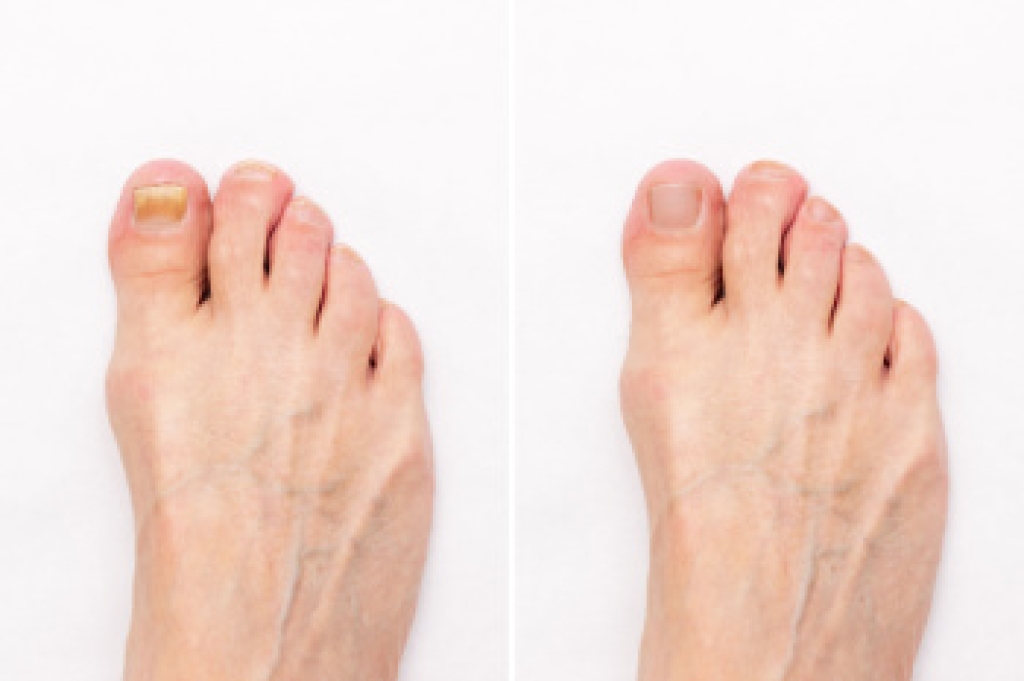
Toenail fungus often begins with small changes that are easy to miss. A common early sign includes a white, yellow, or brown spot near the tip of the toenail. The nail may also look dull, become thicker, or start to feel brittle and weak. As the infection spreads, the nail can separate from the skin underneath, which may cause discomfort when walking or wearing shoes. In some cases, debris can build up under the nail, and the nail may develop an unpleasant odor. Toenail fungus is more likely to develop in warm, moist places and can happen after nail injuries or from wearing tight shoes . A podiatrist can examine the nail, confirm if fungus is present, and provide treatment that includes trimming damaged nail tissue and prescribing antifungal medicine to stop the infection from spreading. If you have symptoms of toenail fungus, it is suggested that you schedule an appointment with a podiatrist for a diagnosis and appropriate treatment.

For more information about treatment, contact Genine Befumo, DPM of University Foot and Ankle Center, L.L.C. Our doctor can provide the care you need to keep you pain-free and on your feet.

Toenail Fungus Treatment

Toenail fungus is a condition that affects many people and can be especially hard to get rid of. Fortunately, there are several methods to go about treating and avoiding it.

Antifungals & Deterrence

Oral antifungal medicine has been shown to be effective in many cases. It is important to consult with a podiatrist to determine the proper regiment for you, or potentially explore other options.

Applying foot powder on the feet and shoes helps keep the feet free of moisture and sweat.

Sandals or open toed shoes – Wearing these will allow air movement and help keep feet dry. They also expose your feet to light, which fungus cannot tolerate. Socks with moisture wicking material also help as well.

If you have any questions please contact our office located in Monroe Township, NJ . We offer the newest diagnostic and treatment technologies for all your foot and ankle needs.

Read more about Toenail Fungus

Do Your Child's Feet Hurt?

Have your child's feet been examined lately? Healthy feet are happy feet. If your child is complaining of foot pain, it may be a sign of underlying problems.

Connect with us

our recent articles