


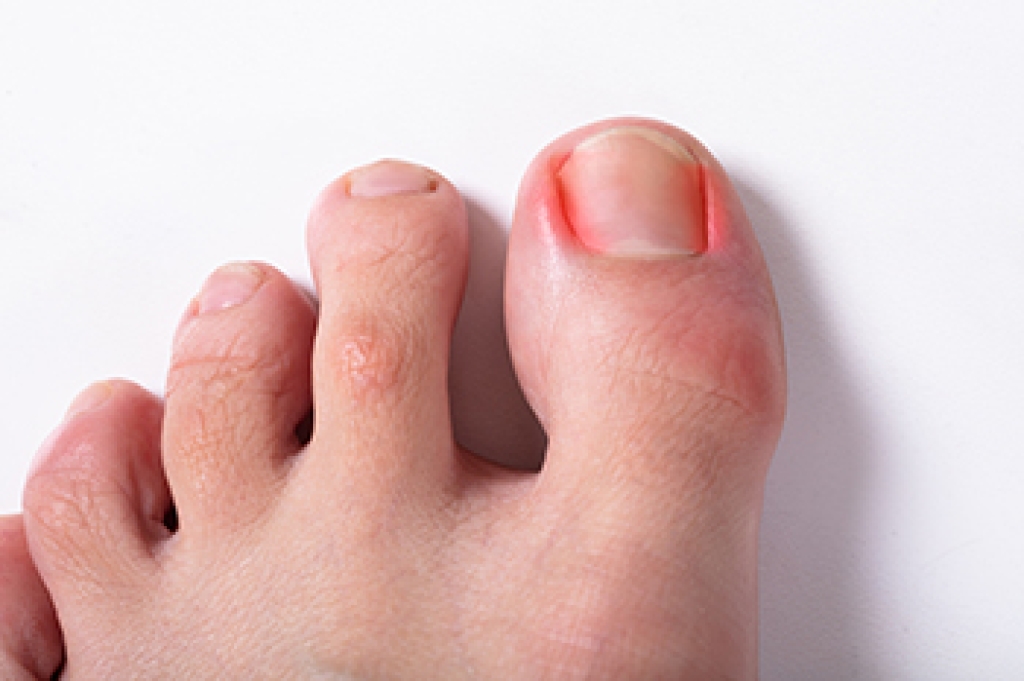
- When preparing for a long hike, paying extra attention to your toenails is essential to prevent painful ingrown nails. Regular trimming is vital. Clip nails straight across to avoid curvature that pushes skin. Keeping nails short reduces friction inside boots and prevents nail edges from embedding into surrounding tissue. Moisturize cuticles daily and use a gentle file to smooth rough edges, ensuring proper alignment and comfort. After trimming, allow nails to dry thoroughly and inspect them for signs of irritation. Proper care and proactive maintenance enable you to enjoy hiking adventures free from discomfort and setbacks, ensuring your feet remain healthy and resilient along every challenging trail. For persistent issues, unusual nail shapes, or ingrown toenails, it is suggested that you consult a podiatrist to receive expert advice tailored to your needs.
Ingrown toenails may initially present themselves as a minor discomfort, but they may progress into an infection in the skin without proper treatment. For more information about ingrown toenails, contact Genine Befumo, DPM of University Foot and Ankle Center, L.L.C. Our doctor can provide the care you need to keep you pain-free and on your feet.
Ingrown Toenails
Ingrown toenails are caused when the corner or side of a toenail grows into the soft flesh surrounding it. They often result in redness, swelling, pain, and in some cases, infection. This condition typically affects the big toe and may recur if it is not treated properly.
Causes
- Improper toenail trimming
- Genetics
- Improper shoe fitting
- Injury from pedicures or nail picking
- Abnormal gait
- Poor hygiene
You are more likely to develop an ingrown toenail if you are obese, have diabetes, arthritis, or have any fungal infection in your nails. Additionally, people who have foot or toe deformities are at a higher risk of developing an ingrown toenail.
Symptoms
Some symptoms of ingrown toenails are redness, swelling, and pain. In rare cases, there may be a yellowish drainage coming from the nail.
Treatment
Ignoring an ingrown toenail can have serious complications. Infections of the nail border can progress to a deeper soft-tissue infection, which can then turn into a bone infection. You should always speak with your podiatrist if you suspect you have an ingrown toenail, especially if you have diabetes or poor circulation.
If you have any questions, please feel free to contact our office located in Monroe Township, NJ . We offer the newest diagnostic and treatment technologies for all your foot care needs.