


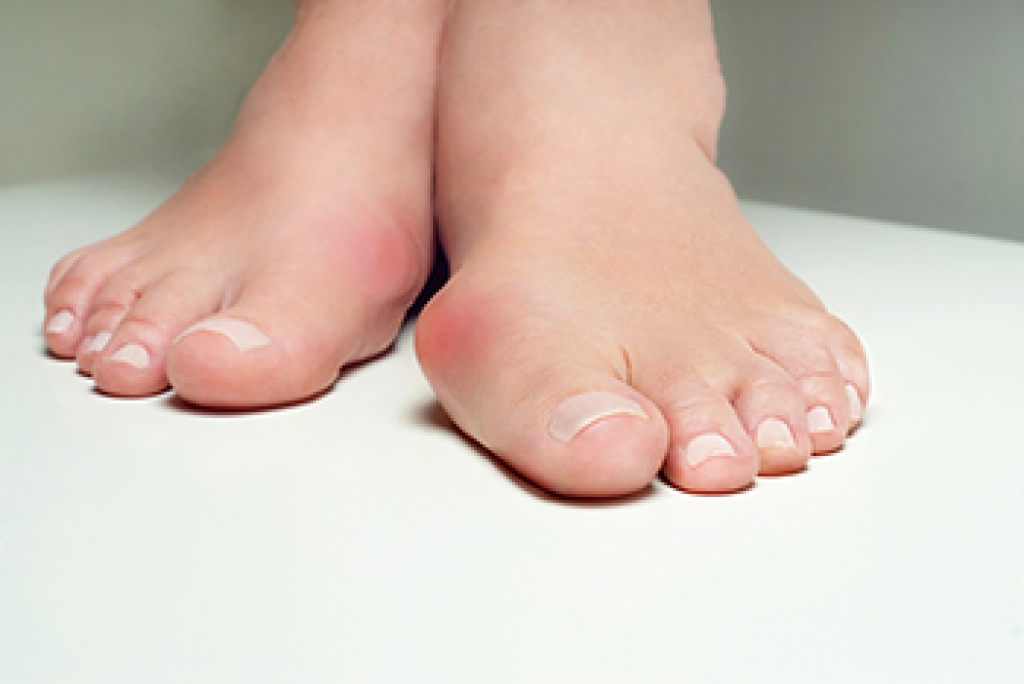
Bunions are bony protrusions that form at the base of the big toe, often causing discomfort or pain. There are various types of bunions, each varying in severity. The mild form typically causes slight swelling and can often be managed with proper footwear or orthotics. In moderate cases, the deformity becomes more noticeable, leading to increased discomfort and difficulty with movement. Severe bunions can cause significant pain, misalignment of the toes, and even difficulty walking, requiring more intensive treatments or surgery. The main causes of bunions include genetic factors, abnormal foot mechanics, and wearing ill-fitting shoes. Conditions like arthritis can also contribute to their development. A bunionette is a smaller, similar deformity that forms on the outside of the foot, near the little toe. While bunions can be painful, early intervention and proper care from a podiatrist can prevent further complications and help manage symptoms effectively. If you notice the beginning signs of a bunion, it is suggested that you consult this type of doctor who can offer effective prevention and relief tips.
If you are suffering from bunions, contact Genine Befumo, DPM of University Foot and Ankle Center, L.L.C. Our doctor can provide the care you need to keep you pain-free and on your feet.
What Is a Bunion?
A bunion is formed of swollen tissue or an enlargement of boney growth, usually located at the base joint of the toe that connects to the foot. The swelling occurs due to the bones in the big toe shifting inward, which impacts the other toes of the foot. This causes the area around the base of the big toe to become inflamed and painful.
Why Do Bunions Form?
Genetics – Susceptibility to bunions are often hereditary
Stress on the feet – Poorly fitted and uncomfortable footwear that places stress on feet, such as heels, can worsen existing bunions
How Are Bunions Diagnosed?
Podiatrists often perform two tests – blood tests and x-rays – when trying to diagnose bunions, especially in the early stages of development. Blood tests help determine if the foot pain is being caused by something else, such as arthritis, while x-rays provide a clear picture of your bone structure to your provider.
How Are Bunions Treated?
- Refrain from wearing heels or similar shoes that cause discomfort
- Select wider shoes that can provide more comfort and reduce pain
- Anti-inflammatory and pain management drugs
- Orthotics or foot inserts
- Surgery
If you have any questions, please feel free to contact our office located in Monroe Township, NJ . We offer the newest diagnostic and treatment technologies for all your foot care needs.