


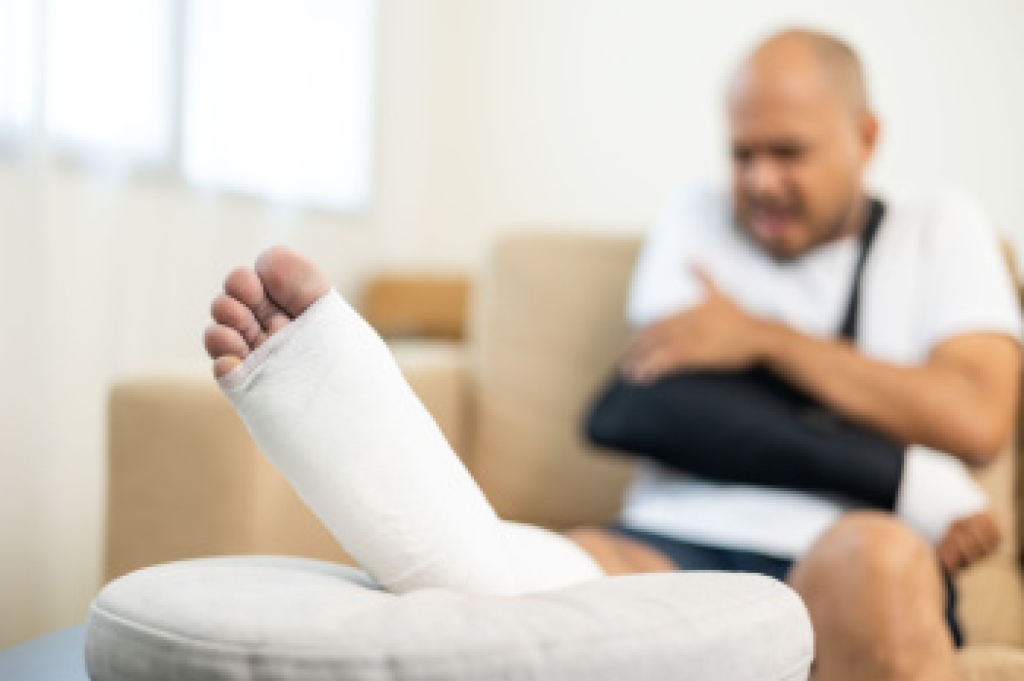
Midfoot fractures involve injuries to the central part of the foot, an area that plays an important role in support, balance, and walking mechanics. These injuries can occur from falls, sports trauma, twisting events, or direct impact. Some fractures remain relatively stable, meaning the bones stay in proper position, while others involve shifting that can affect joint alignment and long-term foot function. Symptoms often include pain, swelling, bruising, difficulty bearing weight, and tenderness across the middle of the foot. Because some of these injuries can appear less severe at first, a delayed diagnosis is possible without proper evaluation. Imaging tests and a careful physical examination help determine the extent of damage and whether the foot remains structurally supported. Early diagnosis is important because unstable injuries may require more advanced treatment to prevent chronic pain or walking problems. If you have persistent midfoot pain after an injury, it is suggested that you visit a podiatrist for an evaluation.
A broken foot requires immediate medical attention and treatment. If you need your feet checked, contact Genine Befumo, DPM from University Foot and Ankle Center, L.L.C. Our doctor can provide the care you need to keep you pain-free and on your feet.
Broken Foot Causes, Symptoms, and Treatment
A broken foot is caused by one of the bones in the foot typically breaking when bended, crushed, or stretched beyond its natural capabilities. Usually the location of the fracture indicates how the break occurred, whether it was through an object, fall, or any other type of injury.
Common Symptoms of Broken Feet:
- Bruising
- Pain
- Redness
- Swelling
- Blue in color
- Numbness
- Cold
- Misshapen
- Cuts
- Deformities
Those that suspect they have a broken foot shoot seek urgent medical attention where a medical professional could diagnose the severity.
Treatment for broken bones varies depending on the cause, severity and location. Some will require the use of splints, casts or crutches while others could even involve surgery to repair the broken bones. Personal care includes the use of ice and keeping the foot stabilized and elevated.
If you have any questions, please feel free to contact our office located in Monroe Township, NJ . We offer the newest diagnostic and treatment technologies for all your foot care needs.